Buying a newly built home is an exciting milestone. After months of planning, construction, and waiting, most homeowners expect their property to be completed perfectly and ready for immediate move-in. A brand-new home often gives the impression that everything will be flawless, modern, and built to the highest standard.
However, even newly constructed homes can contain defects, unfinished work, or hidden issues.
Construction projects involve multiple stages, different contractors, tight deadlines, and various trades working simultaneously. Because of this, small mistakes can easily go unnoticed unless a professional inspection is completed before the final handover. A pre-handover inspection provides peace of mind and ensures your new home meets the expected quality standards before you officially take ownership.
What is a Pre-Handover Inspection?
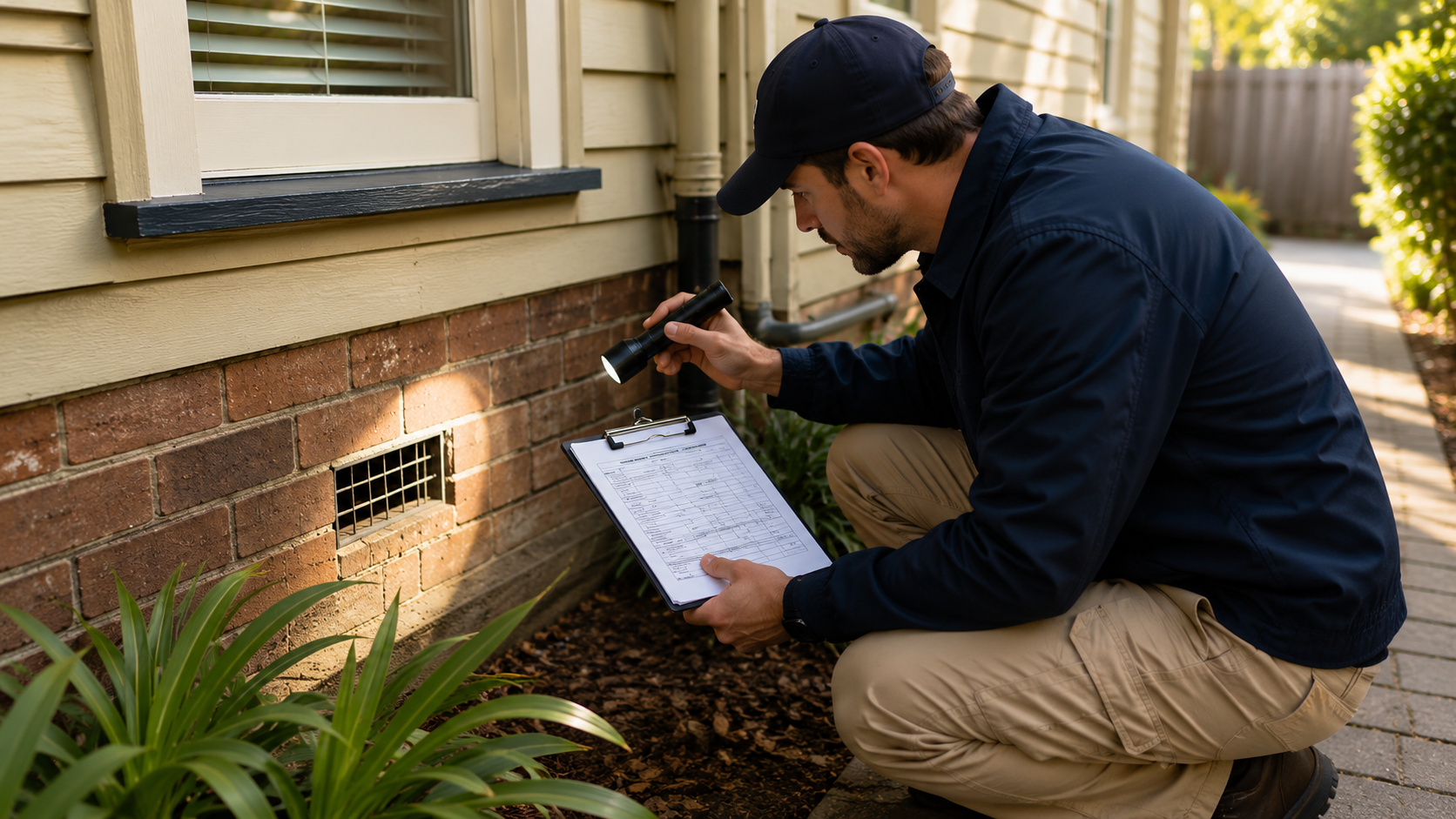
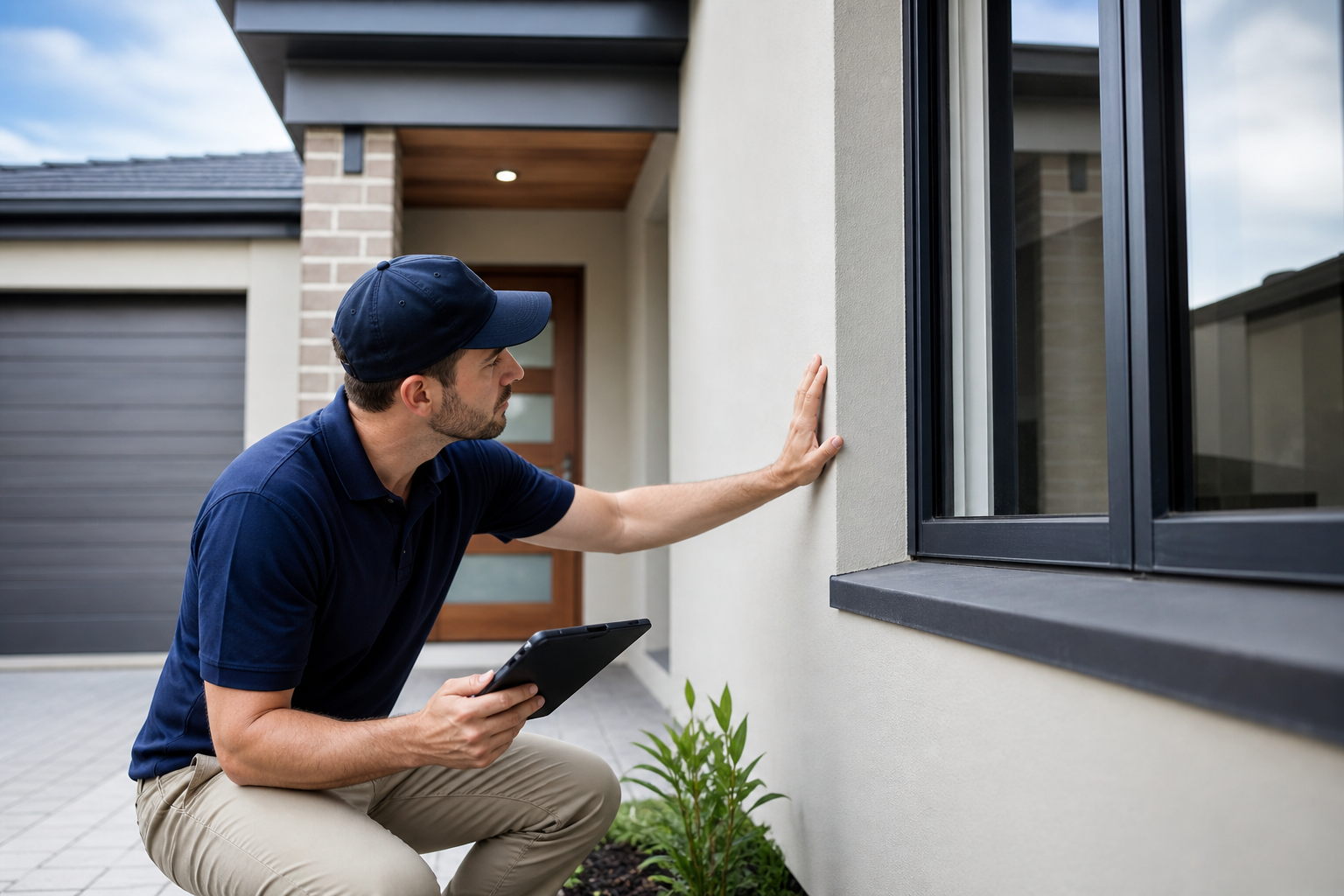
A pre-handover inspection, also known as a Practical Completion Inspection (PCI), is conducted once construction is completed but before the builder officially hands over the property.
The purpose of the inspection is to carefully assess the home and identify any defects, incomplete work, or quality issues that need to be corrected before settlement or final payment.
This inspection helps ensure that:
- All agreed construction work has been completed
- The property complies with building standards and workmanship expectations
- Visible defects and unfinished items are identified early
- Problems can be fixed before you move into the property
Without a professional inspection, many issues may remain unnoticed until after handover, when repairs can become more difficult or costly to resolve.
Why New Homes Are Not Always Perfect
Many homeowners believe that a newly built property should automatically be free from problems. While builders aim to deliver quality work, construction is a highly detailed process involving many teams and stages.
Even experienced builders can encounter issues due to:
- Tight project deadlines
- High workloads and rushed finishing stages
- Communication gaps between contractors
- Variations in workmanship quality
- Missed details during final quality checks
Small defects are surprisingly common in new homes. While some issues may seem minor initially, they can become expensive or inconvenient if left unresolved.
This is why an independent inspection before handover is extremely important.
Common Issues Found During New Home Inspections
Professional inspectors regularly identify defects in newly built homes that are often missed during standard walkthroughs.
Structural and Exterior Defects
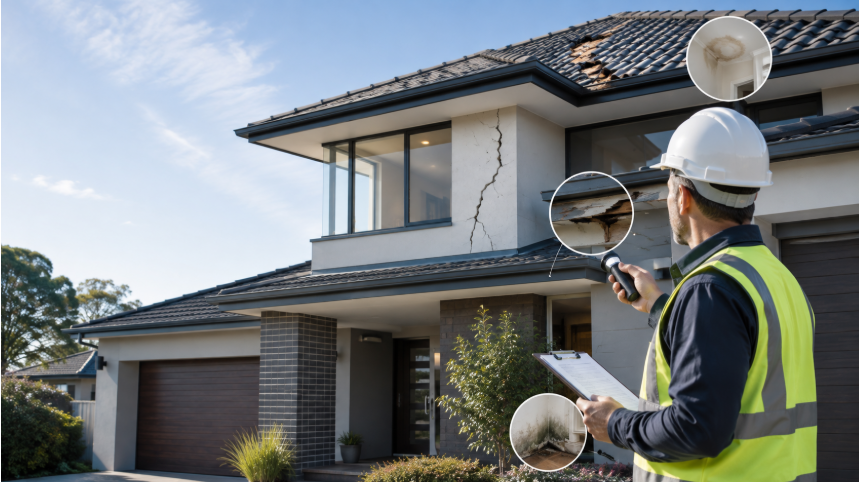
Exterior and structural problems can affect the long-term durability of the property. Common issues include:
- Cracks in walls or ceilings
- Poor brickwork or rendering finishes
- Roofing installation problems
- Incorrect guttering or drainage issues
- Water pooling around the property
- Uneven concrete surfaces or paving
Interior Finishing Problems
Finishing defects are among the most commonly reported issues in new homes. These may include:
- Uneven flooring or tiling
- Poor paint finishes or patchy surfaces
- Scratches, dents, or damage to fixtures
- Misaligned doors or windows
- Loose handles, fittings, or cabinetry
- Incomplete silicone sealing around wet areas
Plumbing and Electrical Issues
Plumbing and electrical systems should always be checked carefully before handover.
Inspectors often identify:
- Water leaks under sinks or fixtures
- Poor drainage performance
- Faulty switches or power points
- Incomplete electrical fittings
- Incorrectly installed appliances
- Loose plumbing connections
Waterproofing and Safety Concerns
Waterproofing issues can lead to major long-term damage if not detected early.
Common concerns include:
- Incomplete waterproofing in bathrooms
- Balcony drainage problems
- Poor sealing around showers and bathtubs
- Missing safety features or compliance items
- Improper installation of smoke alarms or safety devices
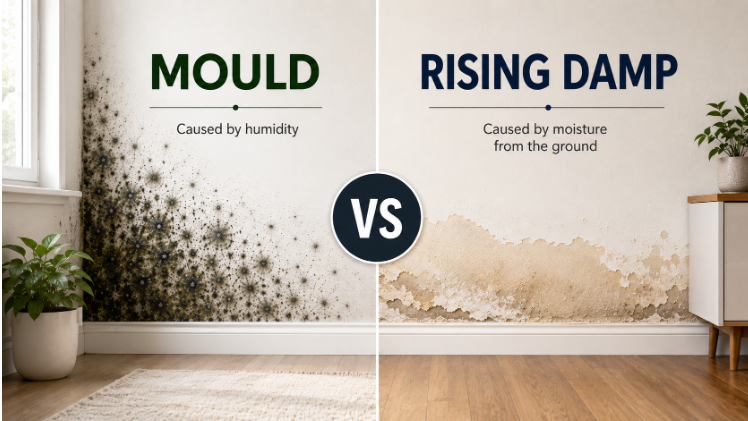
Even if these defects appear small, they can eventually lead to moisture damage, mould growth, structural deterioration, or costly future repairs.
Why an Independent Inspection Matters
Builders generally complete their own quality inspections before handover. However, an independent building inspection provides an unbiased and more detailed assessment of the property.
An experienced inspector works solely in your interest and carefully examines the property from a professional perspective.
A professional inspection helps by:
- Identifying visible and hidden defects
- Assessing workmanship quality
- Providing detailed inspection reports with photos
- Helping homeowners clearly communicate issues with builders
- Ensuring problems are documented before settlement
Having independent documentation also makes it easier to request repairs or corrections before taking possession of the property.
When Should You Arrange the Inspection?
The ideal time to schedule a pre-handover inspection is:
- After the builder declares construction complete
- Before final payment is made
- Before signing handover or settlement documents
This timing allows sufficient opportunity for defects to be identified and corrected before ownership is officially transferred.
Booking the inspection early also prevents delays during settlement or move-in.
Long-Term Benefits of a Pre-Handover Inspection
A handover inspection is not just about finding defects—it is about protecting your investment and ensuring your home is completed to an acceptable standard.
The long-term benefits include:
- Avoiding unexpected repair expenses
- Preventing future structural or water-related problems
- Ensuring better construction quality
- Improving long-term property value
- Moving into your home with confidence and peace of mind
Spending a small amount on an inspection today can potentially save thousands of dollars in future repairs and maintenance costs.
Peace of Mind for Homeowners
Buying a home is one of the biggest financial investments most people will ever make. Naturally, homeowners want reassurance that their property has been completed properly.
A professional pre-handover inspection provides confidence that the property has been independently checked and any concerns have been identified before settlement.
Rather than discovering issues after moving in, homeowners can address defects early while the builder is still responsible for rectification.
Conclusion
A brand-new home does not always guarantee a defect-free home. Even high-quality builds can contain minor or hidden issues that require professional attention before handover.
A pre-handover inspection ensures that your property is carefully assessed, defects are identified early, and the home meets expected quality and safety standards before you move in.
Taking this important step helps protect your investment, reduces future repair risks, and gives you peace of mind that your new home is truly ready for handover.
Book Your Pre-Handover Inspection
At Premium Building Inspections, we provide professional and reliable pre-handover inspections to help homeowners identify defects before taking possession of their property.
Contact our team today to schedule your inspection and ensure your new home is completed to the highest possible standard.