Constructing a building, whether residential or commercial, is one of the most significant investments an individual or organization can make. Ensuring that every stage of construction adheres to quality standards is essential to avoid defects, safety issues, and financial loss. This is where stage-by-stage building inspections play a critical role.
Stage inspections, also known as progress inspections, involve a professional inspector evaluating the construction at key stages of the building process. Unlike a final inspection, which only identifies issues at the end of the project, stage inspections allow defects to be identified and corrected early, saving time, money, and stress.
How Stage Inspections Work
Stage inspections are carefully planned and conducted at specific milestones during the construction process. Here’s a breakdown of how it works:
- Planning & Scheduling
Before construction begins, the inspection schedule is defined based on the building plan and regulatory requirements. Each stage is determined to ensure critical elements like foundation, framework, roofing, plumbing, electrical, and finishing work are thoroughly checked. - On-Site Inspection
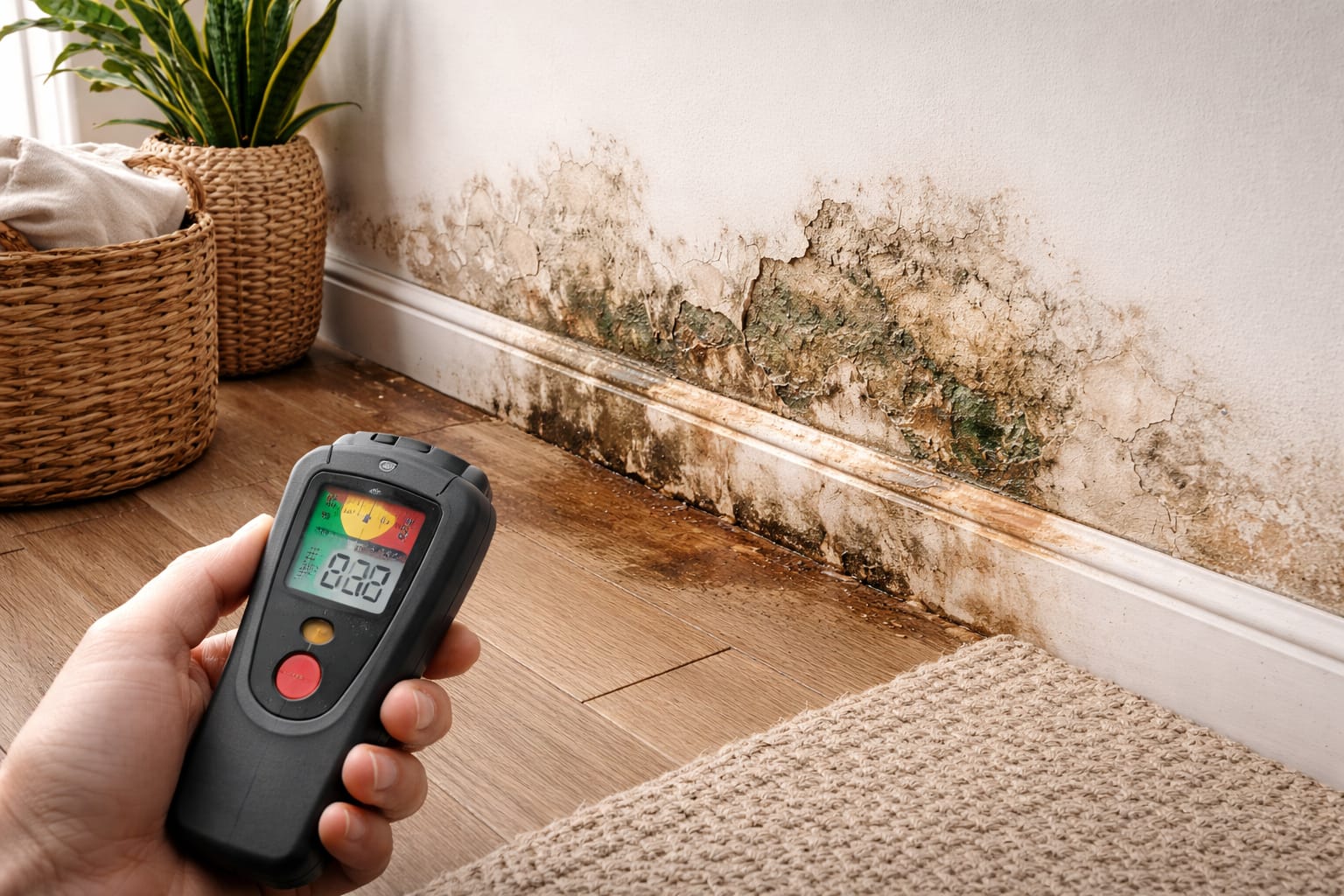
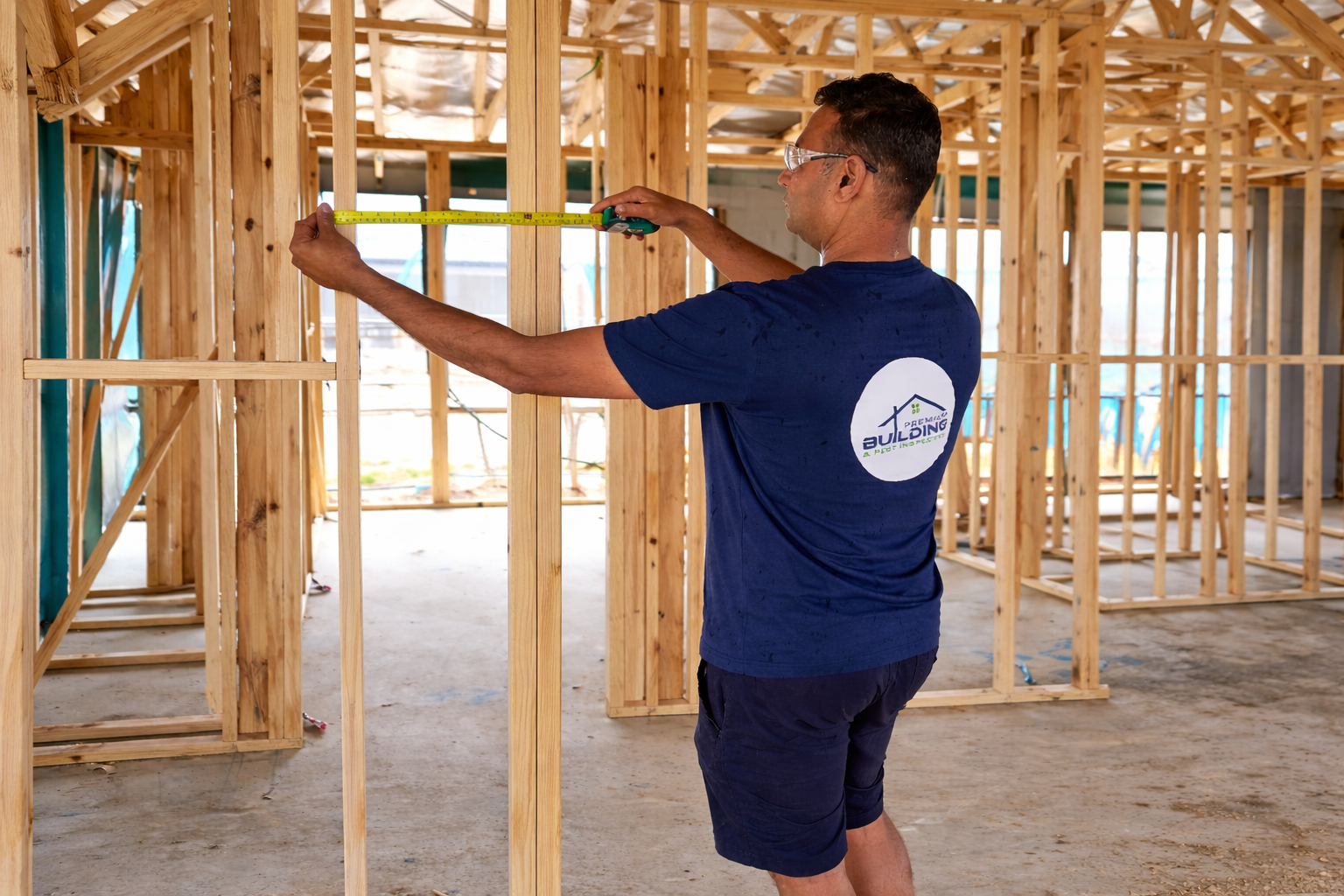
At each stage, a qualified building inspector visits the site to evaluate workmanship, materials, and adherence to the approved plan. The inspector uses tools, measurements, and visual assessments to check for potential defects. - Documentation
All findings are recorded in a stage inspection report, which includes photographs, notes on defects, and recommendations for corrections. This creates a formal record for the homeowner, builder, and regulatory authorities. - Issue Resolution
Any defects or non-compliance are addressed immediately by the builder or contractor. Stage inspections ensure that problems are corrected before progressing to the next stage, preventing compounding defects. - Final Review & Certification
After all stages are completed and approved, the final inspection verifies that all corrections were implemented and that the building meets safety and quality standards.
Key Stages of Building Inspections
Stage inspections are typically conducted at the following critical milestones:
- Foundation Stage
- Checks soil quality, excavation, footings, and reinforcement.
- Ensures proper alignment and load distribution to prevent future cracks or settlement issues.
- Checks soil quality, excavation, footings, and reinforcement.
- Framework & Stage
- Evaluates beams, columns, load-bearing walls, and roof trusses.
- Confirms that the integrity of the building meets engineering standards.
- Evaluates beams, columns, load-bearing walls, and roof trusses.
- Roofing Stage
- Inspects truss installation, waterproofing, and roof alignment.
- Ensures no potential leakage or issues that may affect durability.
- Inspects truss installation, waterproofing, and roof alignment.
- Plumbing & Electrical Stage
- Checks water pipelines, drainage, wiring, and electrical connections.
- Confirms compliance with safety codes and prevents future functional issues.
- Checks water pipelines, drainage, wiring, and electrical connections.
- Walling, Flooring & Finishing Stage
- Evaluates plastering, tiling, painting, and fixtures.
- Ensures that the finishing work meets quality expectations and design specifications.
- Evaluates plastering, tiling, painting, and fixtures.
- Pre-Handover Stage
- Conducts a comprehensive review before the building is handed over to the owner.
- Ensures all stages were completed correctly and documented in the inspection reports.
- Conducts a comprehensive review before the building is handed over to the owner.
Why Stage Inspections Are Important
- Early Detection of Defects
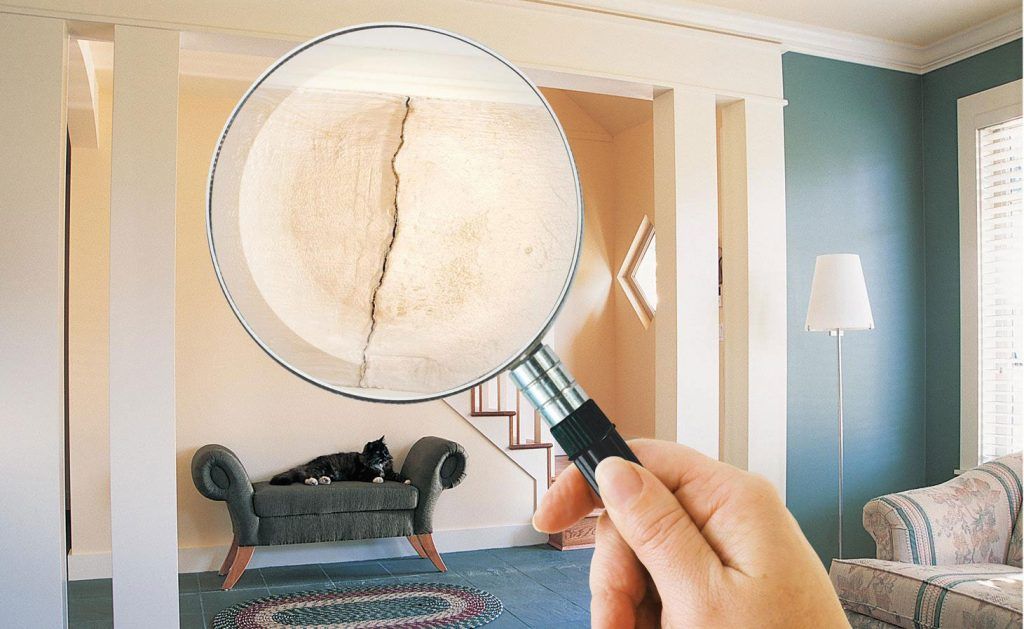
Detecting structural or workmanship defects early prevents major repairs later. Issues like foundation cracks, poor framing, or electrical hazards can be corrected immediately, saving substantial costs. - Ensures Quality Assurance
Stage inspections enforce accountability among contractors and builders, ensuring high-quality construction that complies with the approved building plan. - Cost and Time Efficiency
Addressing defects during construction is far cheaper and faster than after project completion. Stage inspections reduce the risk of delays and budget overruns caused by post-construction corrections. - Safety Compliance
Buildings must adhere to local building codes and safety standards. Stage inspections ensure compliance, reducing the risk of accidents and legal complications. - Investment Protection
For homeowners and investors, stage inspections guarantee that the property is constructed correctly, enhancing long-term value and avoiding future liabilities. - Peace of Mind
Homeowners can confidently track progress, ensuring that every stage meets their expectations. It reduces stress and builds trust between the builder and client.
Conclusion
Stage-by-stage building inspections are an indispensable part of modern construction. By providing systematic checks at critical milestones, these inspections prevent costly defects, ensure compliance with safety standards, and guarantee the long-term durability of the property.
For anyone investing in a new home or commercial building, hiring a professional stage inspection service is not optional—it is essential. Proper stage inspections protect your investment, ensure quality construction, and give peace of mind to homeowners and investors alike.