Australia is home to some of the most destructive termite species in the world. For homeowners and property buyers, these tiny pests pose a significant threat to both the safety and value of a property. Termite damage is often hidden and can progress undetected for years, leading to costly repairs and structural issues.
Understanding termite risks, recognizing warning signs, and arranging professional inspections are critical steps to protecting your investment. In this article, we’ll explore termite risks in Australian homes, common signs of infestation, and how professional inspections can prevent long-term damage.
Why Termites are a Serious Threat
Termites feed on cellulose-based materials, primarily wood, and can compromise the structural integrity of homes if left unchecked. They are a hidden menace, as infestations often go unnoticed until significant damage has occurred.
Financial Impact
Termite damage can lead to thousands of dollars in repairs, particularly if it affects load-bearing structures such as roof frames, floorboards, or wall studs. Many homeowners underestimate the cost and potential disruption caused by termite activity.
Health and Safety Risks
While termites themselves don’t directly harm humans, the structural damage they cause can make a home unsafe. Weakened beams, floors, and walls may collapse, creating hazards for occupants.
Common Termite Species in Australia
Australia has several termite species that affect residential properties. Knowing which types are prevalent can help homeowners understand the risks:
- Subterranean Termites – The most destructive species, living underground and entering homes via soil contact. They build mud tubes to reach timber and other cellulose materials.
- Drywood Termites – Found in dry timber, usually in roof spaces or structural wood. They don’t require soil contact and can infest isolated wood pieces.
- Dampwood Termites – Prefer wood with high moisture content, often in areas affected by leaks or poor ventilation.
Subterranean termites are responsible for the majority of structural damage in Australian homes, making early detection crucial.
Common Signs of Termite Infestation
Termite activity is often hidden, but careful observation can reveal warning signs. Some key indicators include:
Visible Signs
- Mud Tubes – Thin, soil-like tubes along walls, floors, or foundations, often leading from soil to timber.
- Damaged Timber – Wood that sounds hollow when tapped or shows tiny holes and tunnels.
- Frass (Termite Droppings) – Small, sand-like pellets found near infested wood, particularly with drywood termites.
Subtle Indicators
- Sagging Floors or Ceilings – Weakening caused by hidden termite damage.
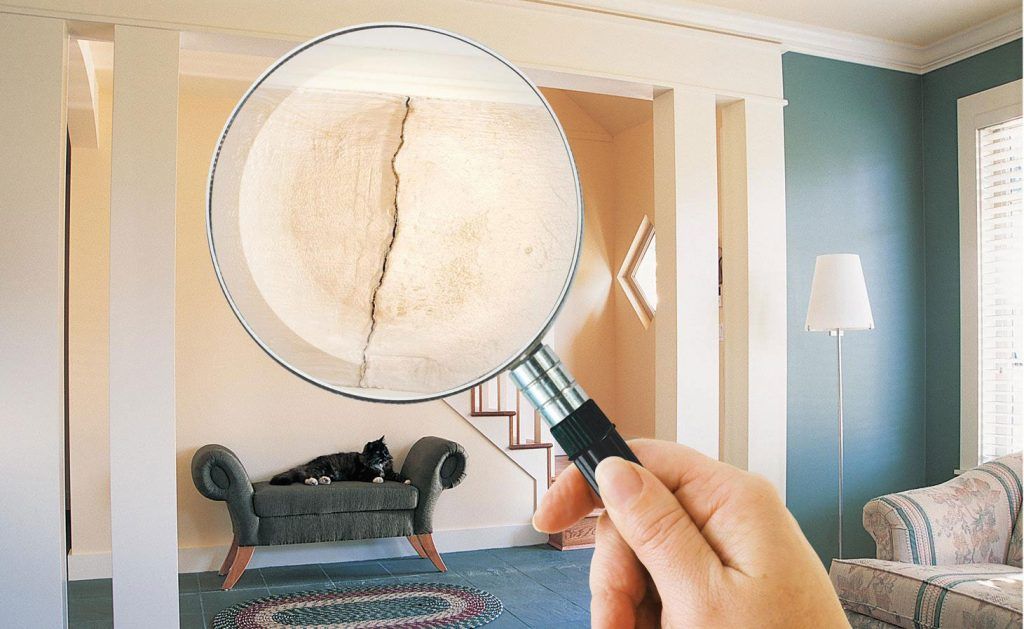
- Cracks in Walls or Doors That Stick – Can result from weakened structural timber.
- Unexplained Noises – Soft rustling sounds in walls or ceilings may indicate termite movement.
Early detection of these signs is critical to preventing extensive damage.
How Termites Damage Australian Homes
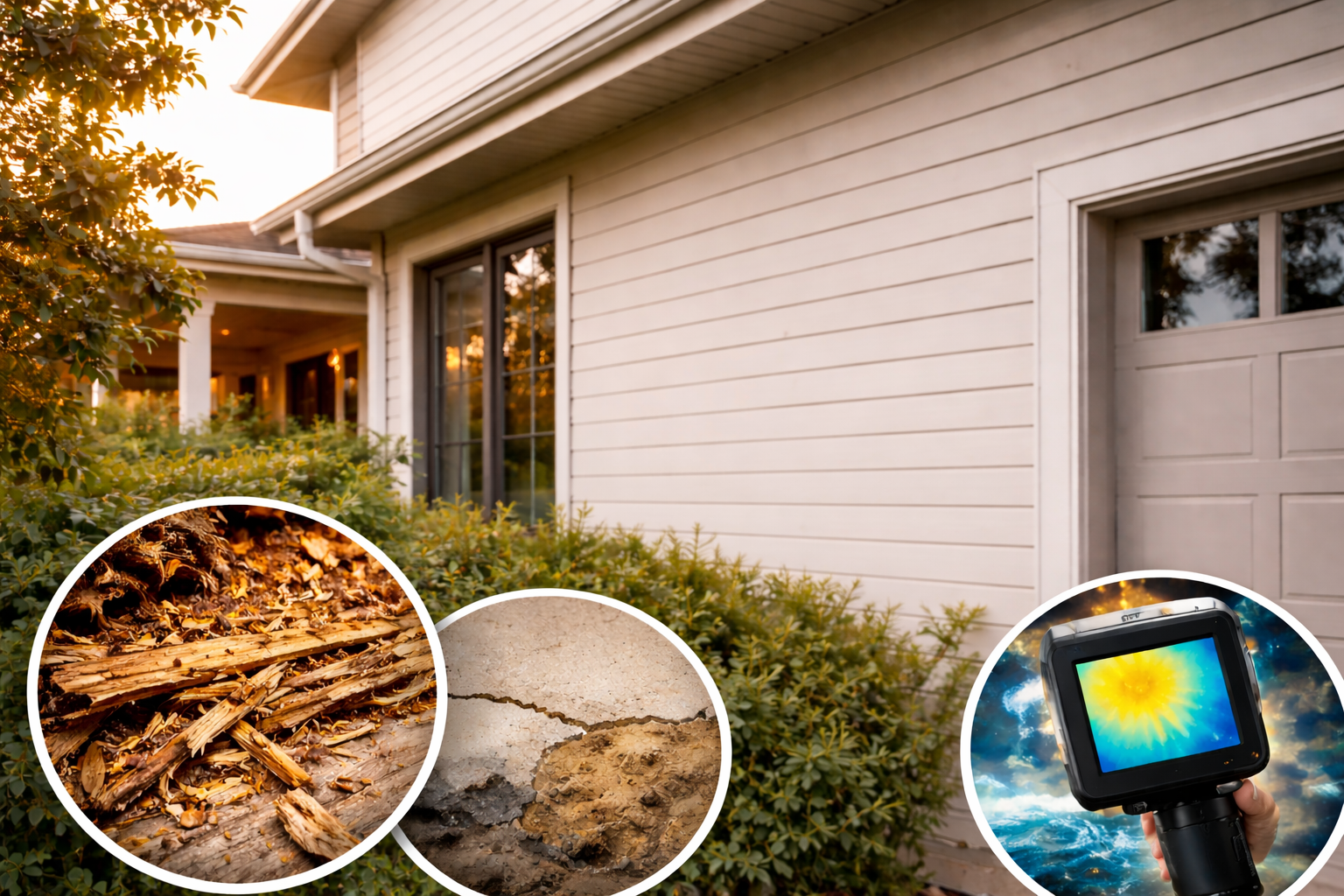
Termites primarily consume timber but can also damage paper products, insulation, and even electrical wiring. The damage is usually hidden within walls, under floors, or in roof structures, making it difficult to detect without a professional inspection.
Structural Damage
- Compromised floorboards, roof beams, and wall studs
- Weakening of load-bearing structures
- Increased risk of collapse in severe cases
Financial Consequences
- Major repairs to structural timber can cost tens of thousands of dollars
- Reduced property value due to compromised integrity
- Higher insurance premiums or difficulties obtaining coverage
Prevention and Protection
While termites are a natural part of Australia’s ecosystem, homeowners can take steps to minimize the risk of infestation.
1. Professional Building and Termite Inspections
- Inspectors use specialized tools to detect hidden termite activity.
- Reports detail the severity, affected areas, and recommended treatment or prevention measures.
- Inspections should be conducted before buying a property and regularly thereafter.
2. Landscaping and Drainage
- Keep timber and mulch away from the house’s foundation.
- Ensure proper drainage to prevent soil moisture buildup.
- Avoid planting trees or shrubs too close to the structure.
3. Maintenance and Repairs
- Fix leaks promptly, as moisture attracts termites.
- Replace damaged or rotting timber before infestations occur.
- Seal gaps and cracks in walls, floors, and foundations.
4. Termite Barriers and Treatments
- Install physical or chemical barriers around new constructions.
- Treat timber with termite-resistant chemicals.
- Consider regular preventive treatments in high-risk areas.
The Role of Pre-Purchase Termite Inspections
Termite inspections are a critical part of the pre-purchase process. They help buyers:
- Identify current or past infestations
- Assess the risk of future termite problems
- Negotiate repairs or price adjustments before completing the purchase
- Make informed decisions about property investment
Professional inspections are particularly important in regions prone to termite activity, such as coastal or humid areas in Australia.
Choosing a Reliable Inspector
Not all inspections are created equal. To ensure thorough assessment:
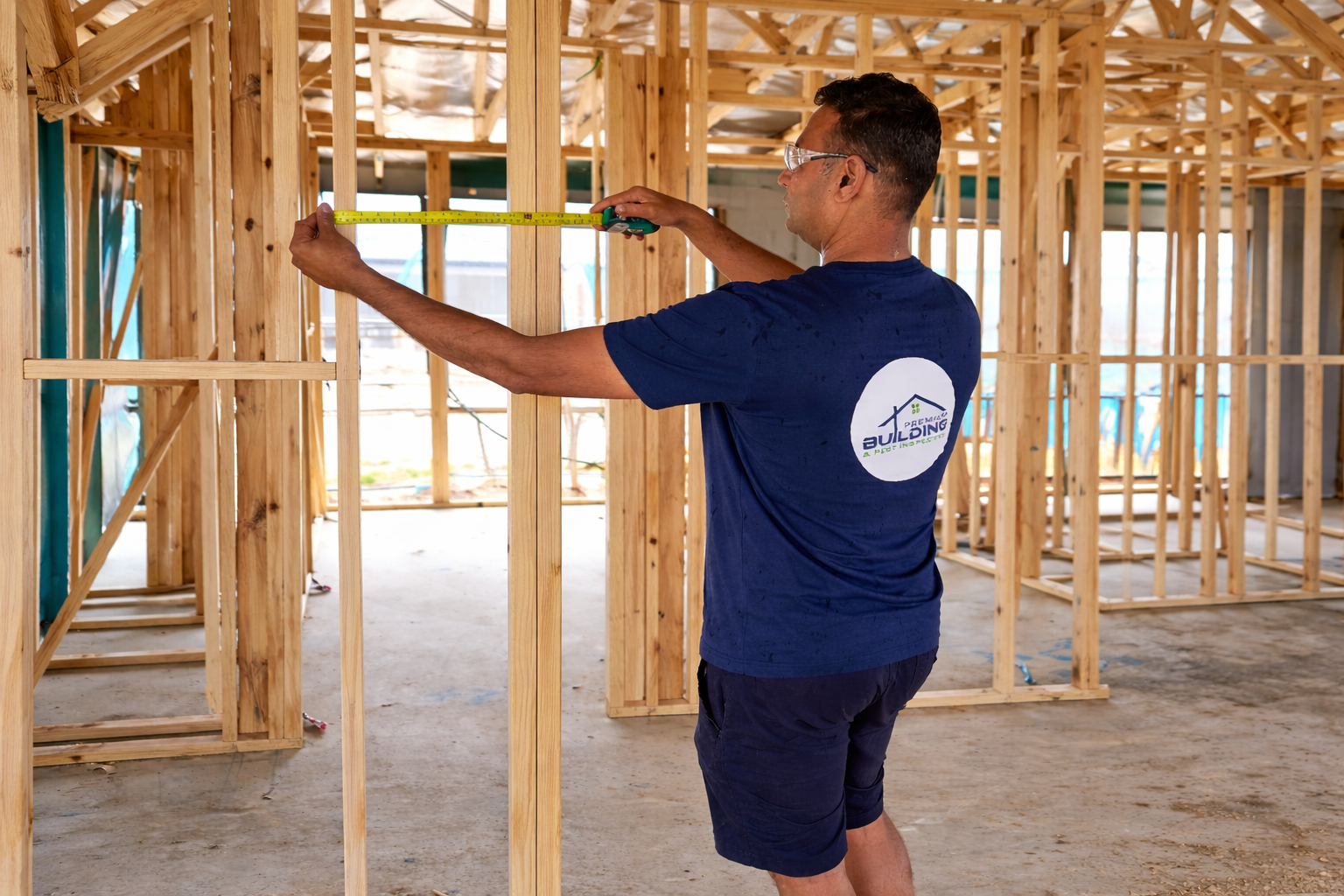
- Hire a licensed building and pest inspector with experience in detecting termite activity.
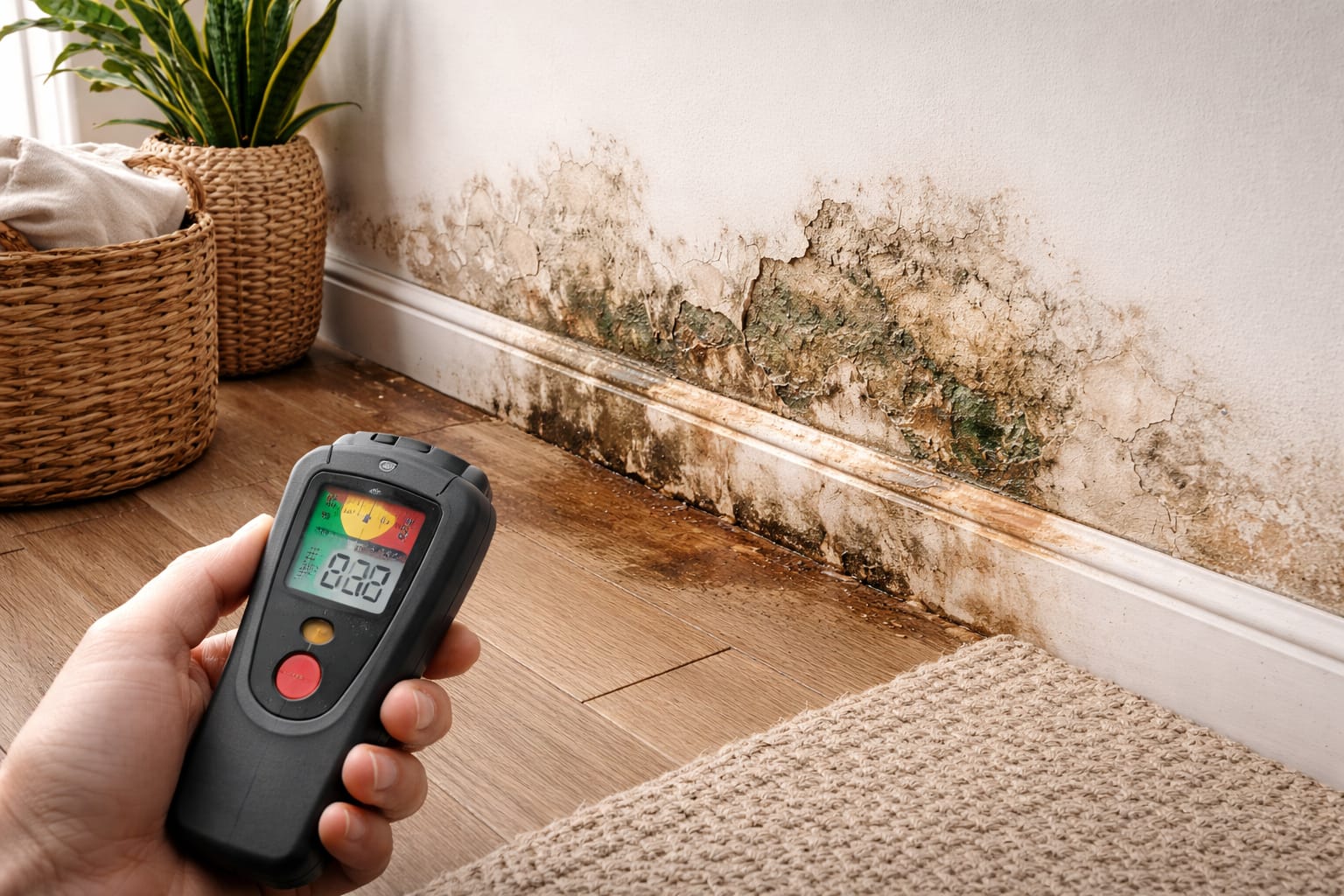
- Check if the inspector uses moisture meters, thermal cameras, and visual assessment techniques.
- Request a detailed report with clear explanations and photographic evidence of any findings.
A comprehensive inspection report can save buyers from costly repairs and provide peace of mind.
Conclusion
Termites pose a serious risk to Australian homes, often causing hidden structural damage that can significantly reduce property value. By understanding termite risks, recognizing early warning signs, and investing in professional inspections, homeowners and buyers can protect their investment, ensure a safe living environment, and avoid expensive surprises.
A thorough termite and building inspection is not just a precaution—it is an essential step in responsible property ownership and wise investment decisions. Regular monitoring, proper maintenance, and professional guidance can keep your home safe from these destructive pests for years to come.