Purchasing a home is a major investment, and while a property may appear neat and well-presented during an open inspection, manThe hidden defects homebuyers overlook before buying a property can turn a seemingly perfect home into a costly investment. Purchasing a home is a major decision, and while a property may appear neat and well-presented during an open inspection, many significant issues can remain concealed beneath finishes, fittings and cosmetic upgrades. These hidden defects can compromise safety, reduce the lifespan of the property, and result in substantial future repair costs—yet most of them cannot be detected without specialised inspection knowledge.
A qualified building inspector assesses areas that homebuyers cannot evaluate on their own, ensuring a clear and accurate understanding of the property’s true condition before commitments are made.
Below are the primary categories of hidden defects homebuyers overlook, presented in a professional and industry-appropriate manner.
1. Concealed Structural Weaknesses and Load-Bearing Issues
A home’s structural integrity is essential for long-term safety, yet many defects are not visible to buyers. Building inspectors frequently identify:
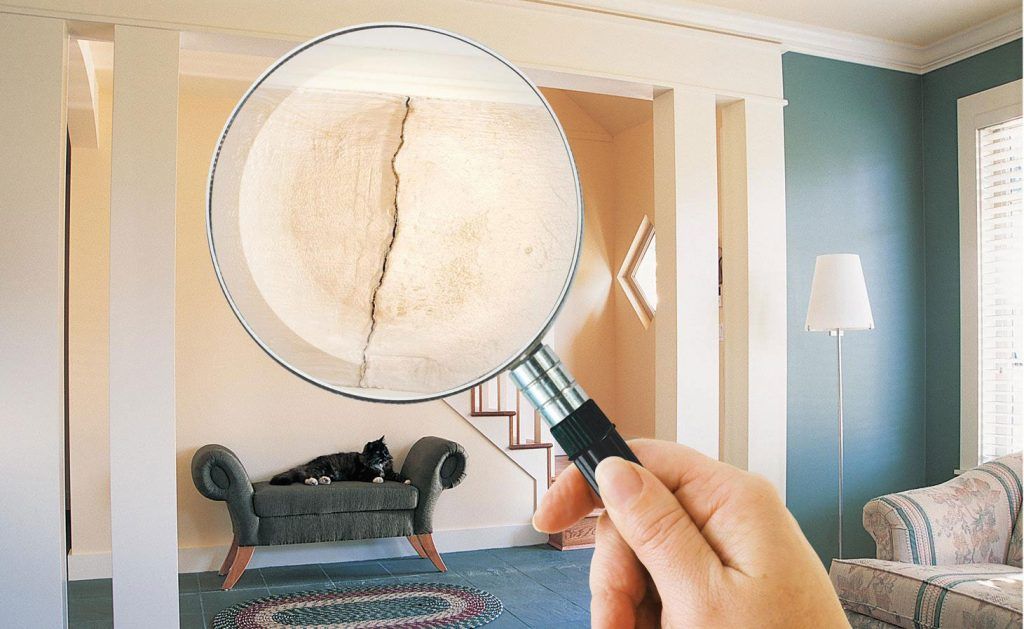
Stress fractures hidden behind plaster, cabinetry or recent paintwork
Deflection in beams or floor systems
Slab edge dampness affecting footing performance
Movement caused by reactive soils, tree roots or inadequate site preparation
These concerns often show subtle indicators—such as uneven flooring or hairline cracks—that buyers may interpret as routine ageing. If not addressed, they can lead to significant safety risks and expensive rectification work.
2. Roofing System Deterioration Not Evident From Ground Level
Roofing issues often remain unseen during routine inspections and are among the most common hidden defects homebuyers overlook. A building inspector assesses both the roof exterior and the roof cavity to identify:
Deteriorated tiles, metal sheets, failed pointing or cracked ridge capping
Poorly installed or damaged flashing around chimneys, valleys and skylights
Compromised or displaced insulation
Evidence of historical leaks, even when internal signs are not yet visible
Roofing defects frequently progress unnoticed until they cause extensive internal damage.
3. Internal Moisture Intrusion and Hidden Water Pathways
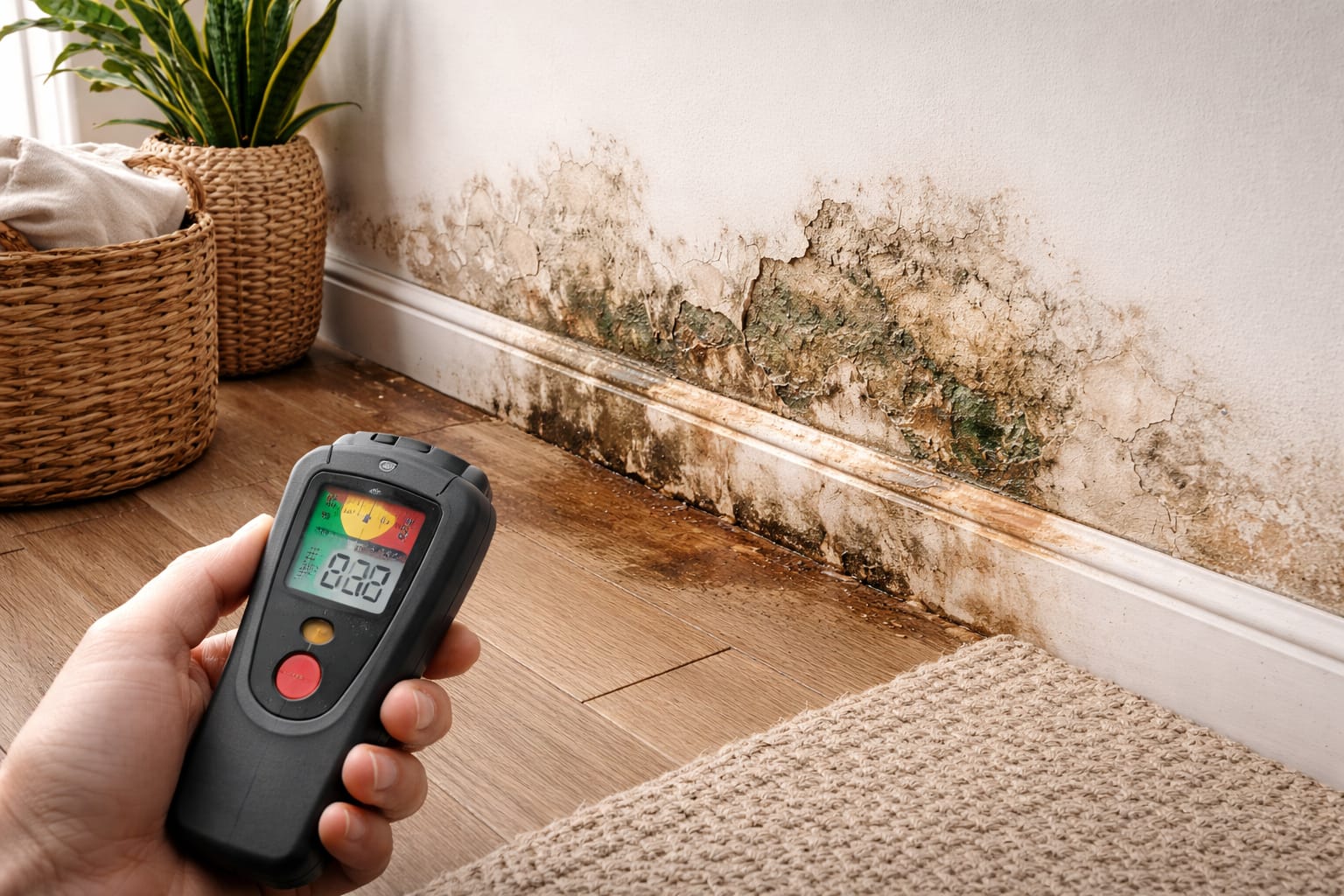
Water ingress is one of the most common and damaging issues in Australian homes. Because it often occurs behind internal surfaces, detection typically requires professional tools such as moisture meters or thermal imaging. Inspectors commonly find:
Failed waterproofing in bathrooms and other wet areas
Leaking plumbing concealed inside wall cavities
Rising damp in older properties without compliant damp-proof courses
Moisture penetration through external cladding or inadequate window flashings
Unresolved moisture can lead to timber rot, corrosion, mould growth and long-term structural deterioration, making it one of the most serious hidden defects homebuyers overlook.
4. Non-Compliant Electrical and Plumbing Installations
Many properties—particularly older homes or those with past DIY renovations—contain concealed electrical or plumbing non-compliances. A building inspection can uncover:
Electrical Issues
Outdated or unsafe wiring
Switchboards without RCD safety switches
Overloaded circuits created during unlicensed modifications
Evidence of unapproved electrical work
Plumbing Issues
Leaks within inaccessible pipework
Incorrect drainage gradients leading to blockages or slow flow
Ageing galvanised or copper pipes showing deterioration
Substandard workmanship in renovated kitchens or bathrooms
Such defects can pose serious safety hazards and result in considerable post-purchase expenses.
5. Timber Decay, Pest Entry Points & Early-Termite Indicators
Timber pests often begin their activity in concealed areas such as subfloors, roof spaces and wall cavities. Building inspectors are trained to identify early-stage indicators, including:
Timber decay due to moisture or fungal growth
Minor termite leads or entry points that are not noticeable to buyers
Softened or spongy timber indicating internal deterioration
Thermal anomalies suggesting concealed pest activity
Early identification is essential to prevent progressive structural damage and avoid major problems related to hidden defects homebuyers overlook.
6. Unapproved Renovations, Cosmetic Cover-Ups & Non-Certified Works
Recently renovated homes are appealing, but new finishes do not guarantee compliance or proper workmanship. Inspectors often uncover:
Renovations completed without required building permits
Incorrect or insufficient waterproofing beneath tiled areas
Non-compliant changes to internal framing
Cabinetry or wall linings concealing long-term damage
A professional inspection evaluates the quality and compliance of work beneath the surface, rather than the appearance of the finishes.
7. Groundwater Drainage Failures and External Site Issues
External site conditions significantly influence the long-term performance of a property. Inspectors examine the surrounding environment to identify:
Poor surface drainage directing water toward the home
Blocked, damaged or collapsed stormwater or sewer lines
Retaining walls showing movement or structural stress
Water pooling that may impact foundations or subfloor conditions
These issues are rarely apparent during short open-home visits but can cause extensive long-term damage.
Why Professional Inspections Are Essential Before Purchase
A qualified building inspector provides an impartial and detailed evaluation of the property using industry expertise and specialised tools. Their assessment enables buyers to:
Understand the property’s actual condition
Identify urgent and upcoming maintenance requirements
Avoid unexpected repair costs after settlement
Make informed and confident purchasing decisions
Negotiate effectively based on factual evidence
Hidden defects become the buyer’s responsibility once the sale is completed, making early detection critical.
Final Thoughts
A home may appear modern, clean and well-presented, but hidden defects homebuyers overlook can turn a promising purchase into a costly liability. A professional building inspection ensures hidden defects are identified before buying, providing homebuyers with clarity, protection and long-term peace of mind.
For anyone purchasing a home in Melbourne, a pre-purchase building inspection is one of the most important steps in safeguarding your investment and ensuring the property is genuinely suitable for long-term occupancy.
FAQ Section
1. Do I really need a building inspection before buying a home?
Yes. Many defects are hidden behind walls, ceilings and flooring and cannot be detected without specialised tools and expertise.
2. What does a building inspector check that I can’t see myself?
A qualified inspector checks structural components, roofing, moisture levels, electrical safety, plumbing systems, pest activity and more.
3. How does a building inspection save buyers money?
It helps you avoid unexpected repair costs after settlement and gives you negotiating power.
4. Are hidden defects common in renovated homes?
Yes. Cosmetic renovations often conceal underlying structural or moisture issues.