Buying a home is one of the biggest financial decisions you will ever make. When you find a property that feels perfect, your emotions take over — and it’s easy to rush. Many buyers choose to skip the building inspection, hoping to save time, avoid delays, or reduce upfront costs.
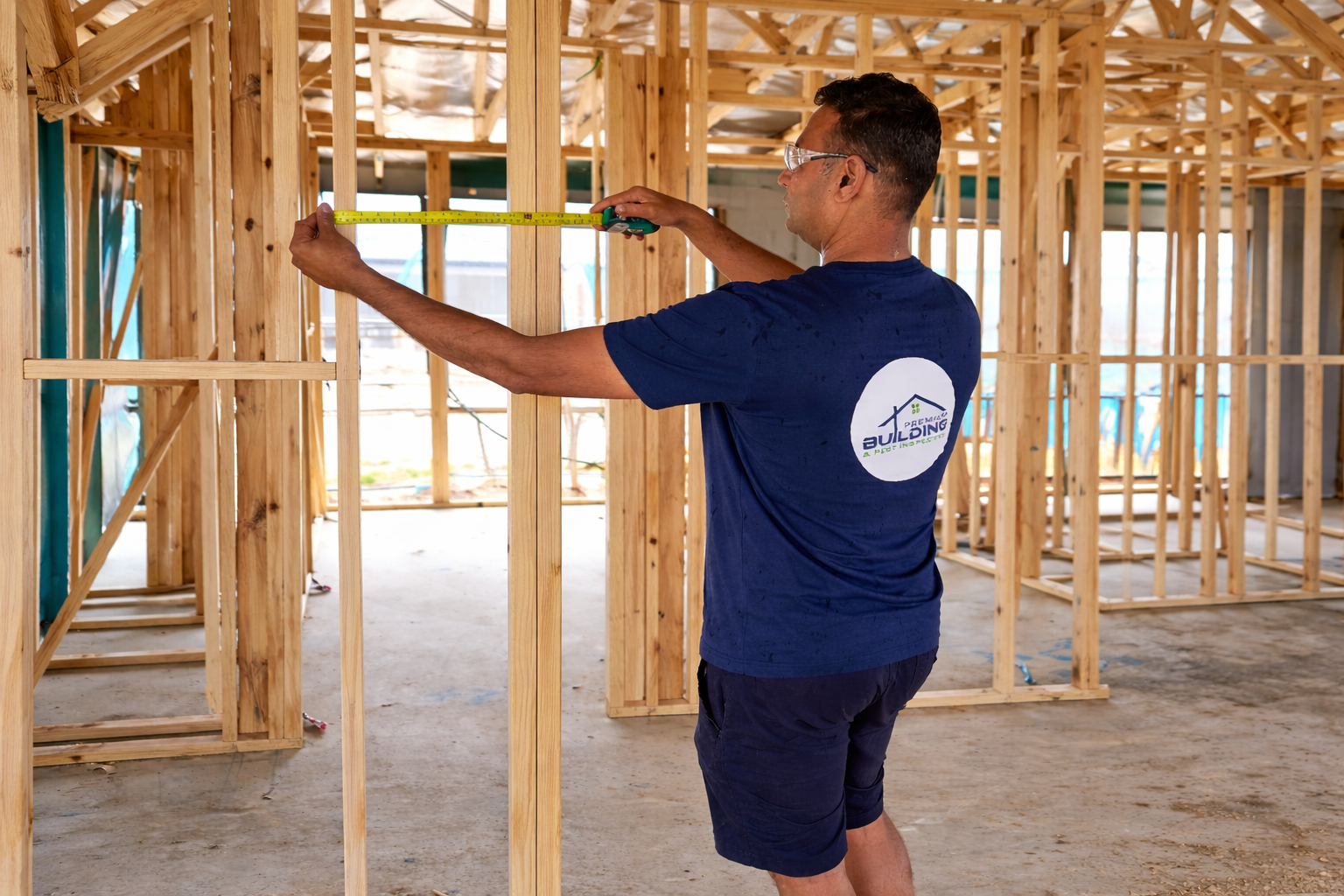
But what seems like a small shortcut at the start can turn into a major financial setback after settlement. A building inspection is not just a formality — it is your protection against hidden damage, unsafe conditions, and expensive repairs that may not be visible during a quick walkthrough.
Why the Most Expensive Problems Are Invisible
A home can look clean, modern, and freshly painted, yet still hide serious major or safety problems underneath.
Most hidden issues are located in places the average buyer cannot access or does not know to check — roof cavities, subfloors, wiring systems, retaining walls, and insulation layers.
Without an inspection, these problems remain undetected until months later, when they start affecting daily living or causing safety concerns. By then, repair costs fall 100% on you, with no negotiation power left.
Some of the most common hidden issues include:
- Major cracking or foundation movement
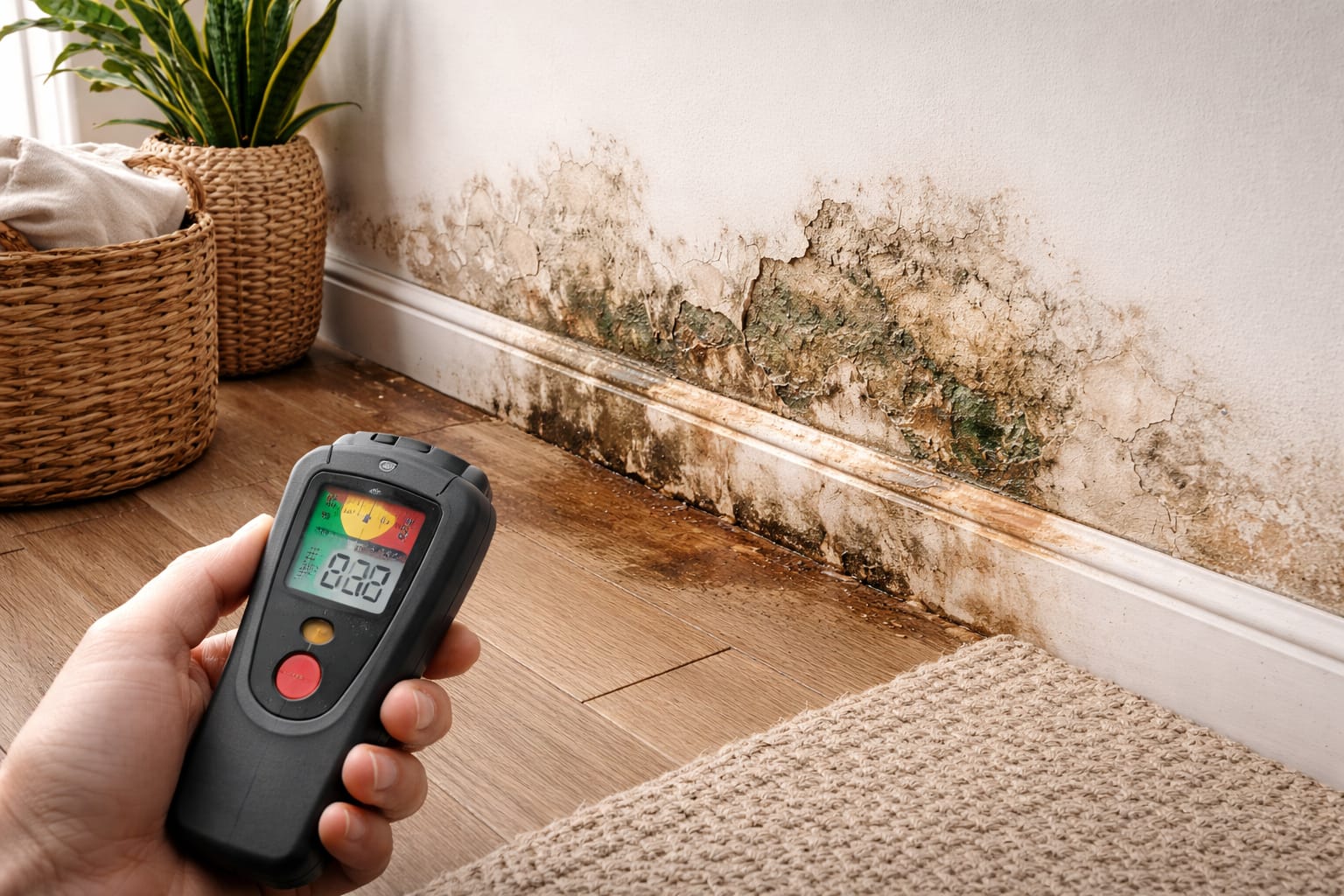
- Timber decay, moisture intrusion and mould
- Faulty or outdated electrical wiring
- Roof deterioration not visible from the ground
- Termite activity and pest infestation
Each of these can escalate quickly into high-value repairs, far exceeding the cost of a professional inspection.
Real Examples of Costly Problems Buyers Discover Too Late
1. Termite Damage — A Silent Destroyer
Termites cause millions of dollars in property damage every year in Australia. When buyers skip a pest inspection, they often discover infestations only after they’ve moved in — usually when floors feel soft, walls sound hollow, or visible mud trails appear.
Repairing termite damage can involve:
- Replacing timber frames and internal walls
- Repairing floors and subfloor structures
- Treating the entire property for pests
Average cost: $10,000 to $40,000+, depending on severity.
In severe cases, some homes require partial rebuilding.
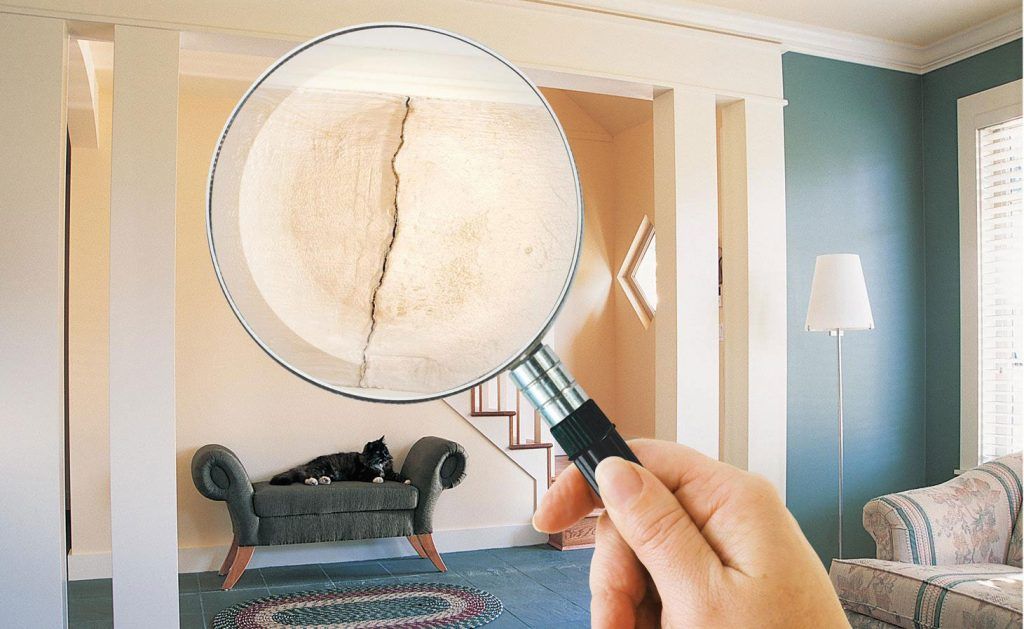
2. Major Movement — Cracks That Point to Bigger Issues
Hairline cracks may look harmless, but they can be a sign of foundation movement, soil issues, or poor construction practices.
A building inspector uses specialised tools to determine whether cracks are cosmetic or major.
If major problems are present, repairs may include:
- Underpinning the foundation
- Reinforcing load-bearing walls
- Stabilising soil or drainage issues
Typical cost: $20,000 or more.
Without an inspection, you could unknowingly inherit a property with long-term stability issues.
3. Roof Damage — Often Hidden Until the First Storm
Roofs can look flawless from below, but issues often lie in places buyers never check: broken tiles, sagging beams, rusted metal sheets, loose flashing, blocked gutters.
These issues remain hidden until the first heavy rain causes:
- Internal leaks
- Stained ceilings
- Electrical hazards
- Damp or mould growth
Repair cost: $5,000 to $15,000+, depending on the extent of damage.
4. Moisture, Leaks & Mould — Slow But Expensive Damage
Moisture damage is one of the most easily overlooked problems.
It may come from:
- Leaking showers
- Damaged waterproofing
- Poor drainage
- Rising damp
- Plumbing leaks behind walls
Left untreated, moisture spreads into floors, walls, and insulation, creating both major damage and health risks.
Repair cost: Thousands of dollars plus the cost of mould remediation.
The Hidden Cost Most Buyers Forget: Loss of Negotiation Power
A building inspection doesn’t just reveal defects — it gives you leverage.
When you know the issues before signing the contract, you can:
- Ask the seller to fix the defects
- Request a price reduction based on repair estimates
- Negotiate better terms
- Walk away safely if the problems are too severe
Without an inspection, you have zero bargaining power. After settlement, every repair becomes your responsibility, no matter how major or costly it is.
A Building Inspection Is a Small Investment With Huge Protection
The cost of a building and pest inspection is minimal compared to the financial risks of buying a property blindly.
For a small upfront investment, you get:
- A full understanding of the property’s true condition
- A clear list of defects and safety risks
- Estimated repair costs
- Peace of mind that you’re making a secure decision
- Stronger negotiation power before committing to the purchase
Most importantly, it ensures you’re not buying someone else’s problems.
Final Thoughts: Don’t Let a Short-Term Saving Become a Long-Term Burden
Skipping a building inspection may save you a little today, but it can cost you significantly in the long run.
Hidden defects, major issues, pest damage, and moisture problems can turn what appears to be a dream home into a financial nightmare.
A thorough building and pest inspection gives you clarity, confidence, and protection — helping you make a safe, informed decision on one of the biggest investments of your life.