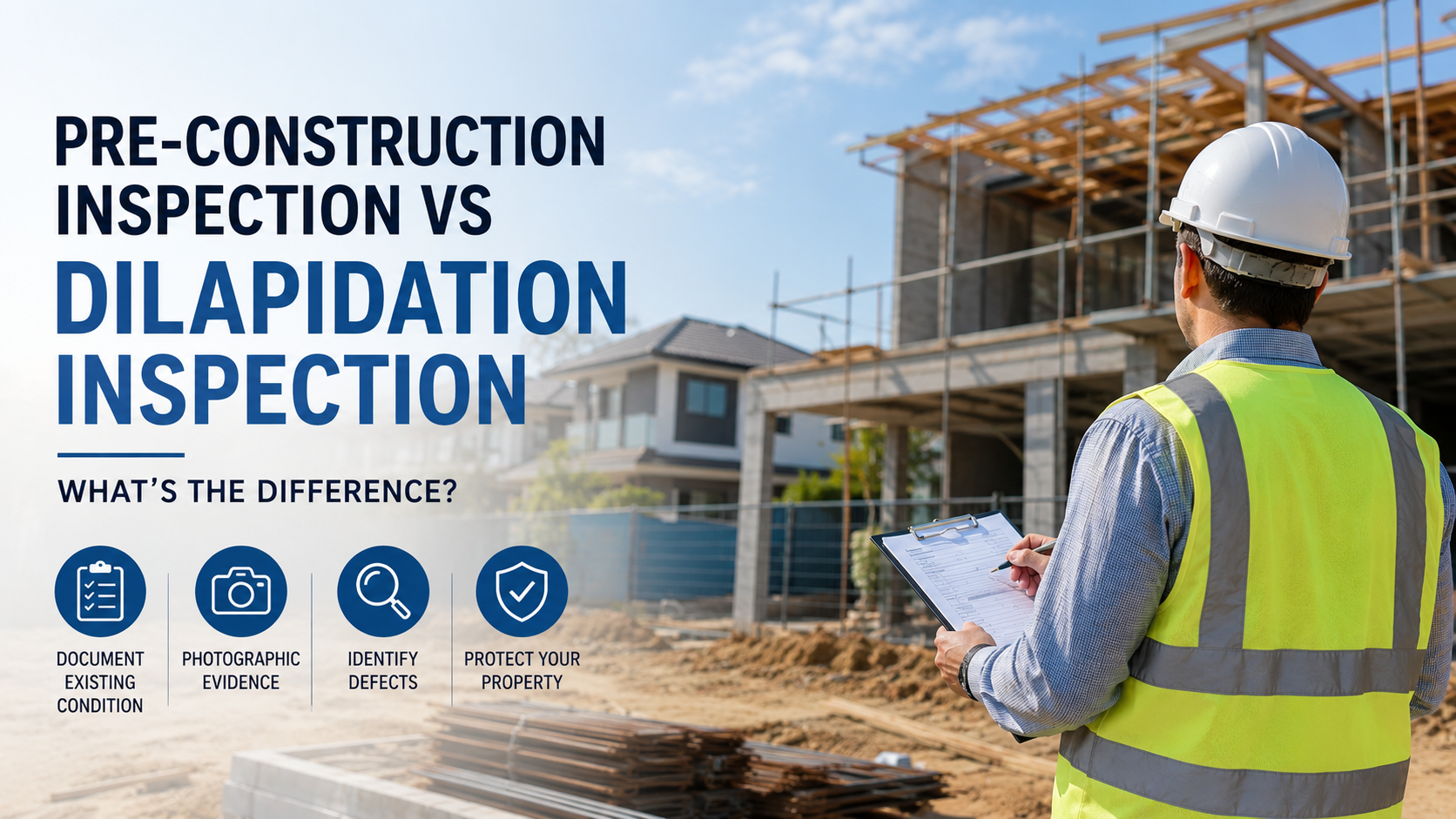
Purchasing a property is one of the most significant investments you will make in your lifetime. While signing the contract is a major milestone, the journey doesn’t end there. The handover inspection is a crucial step that ensures your investment is secure and free from hidden defects. Conducting a thorough inspection between contract signing and key handover can save you from unexpected costs, legal disputes, and major issues later.
In this article, we explore the importance of handover inspections, what they cover, and how they protect your investment
What Is a Handover Inspection?
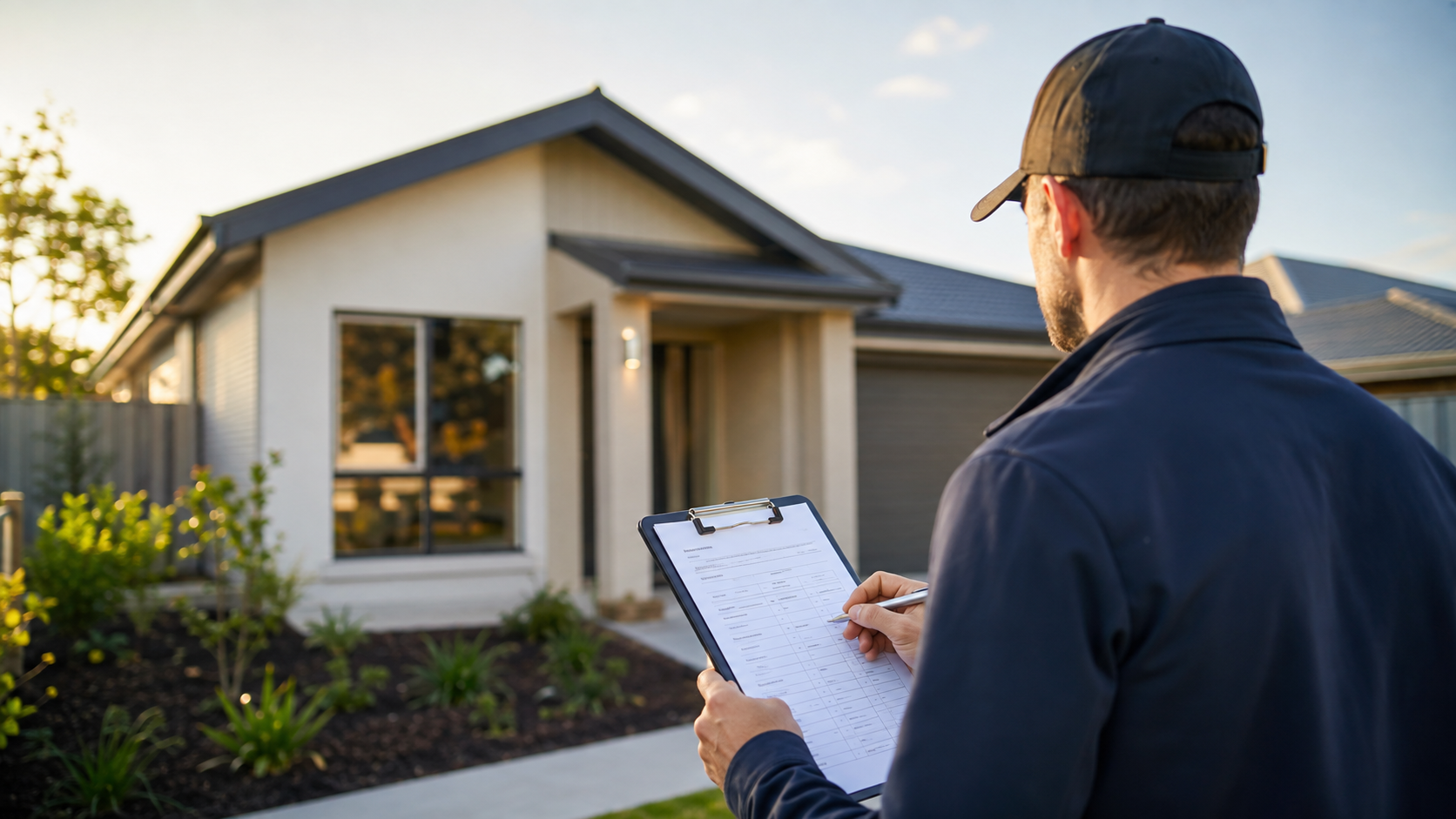
A handover inspection (also called a final inspection) is the process of evaluating a property before you officially take possession. It is typically conducted:
- After construction completion or renovation
- Before the final payment or settlement
- In conjunction with a professional pre-purchase inspection
The goal is to ensure that the property matches the agreed-upon standards, complies with building codes, and is free from defects that could affect safety, functionality, or value.
Why Handover Inspections Are Critical for Property Investment
- Identify Hidden Defects
Even newly built properties can have issues like:
- Water leaks
- Electrical or plumbing faults
- Cracks in walls or foundation
- Finishing defects
Detecting these issues before taking ownership gives you leverage to request repairs or adjustments.
- Ensure Contract Compliance
A handover inspection verifies that the builder or seller has fulfilled all contractual obligations. Any deviation from specifications can be addressed before final settlement. - Protect Your Investment Value
Properties with unresolved defects may depreciate faster. Handover inspections ensure that your asset retains its market value from day one. - Avoid Legal Disputes
Documenting defects during handover creates a clear record, preventing future disagreements with the builder or seller.
Key Components of a Handover Inspection
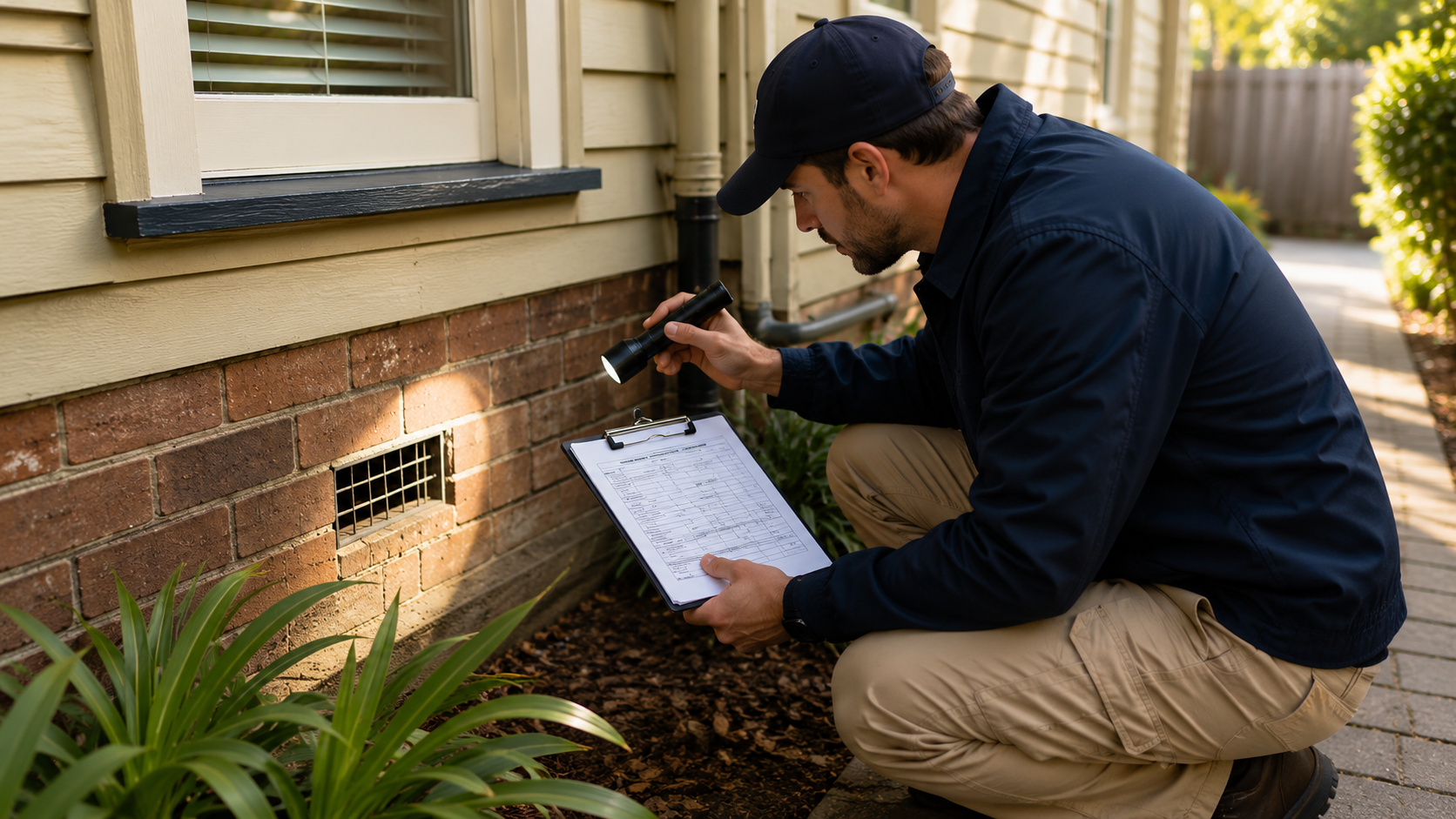
A professional inspection typically covers:
- Structural Integrity: Walls, floors, and foundations.
- Waterproofing & Drainage: Bathrooms, balconies, basements, and roof
- Electrical & Plumbing Systems: Switchboards, circuits, taps, and drainage
- Finishes & Fixtures: Doors, windows, cabinets, paint, tiles, and hardware
- Compliance Checks: Adherence to local building codes and contract specifications
Tips for a Successful Handover Inspection
- Hire a Qualified Inspector: Professionals have the experience to spot defects the naked eye may miss.
- Bring a Checklist: Ensure no aspect of the property is overlooked.
- Document Everything: Take photos, notes, and request written reports.
- Communicate with the Builder: Highlight defects early to facilitate quick rectifications.
- Do a Second Walkthrough: After repairs, ensure all issues have been addressed.
Pre-Purchase Inspections vs. Handover Inspections
While a pre-purchase inspection occurs before signing the contract to inform your buying decision, a handover inspection happens after construction and before keys are handed over. Together, these inspections:
- Provide a comprehensive risk assessment
- Ensure contractual and regulatory compliance
- Offer peace of mind and investment security
Conclusion
From contract signing to key handover, every step in property acquisition is critical. Conducting a professional handover inspection ensures that your investment is safe, defects are addressed, and your property meets promised standards. By combining pre-purchase and handover inspections, investors and homeowners can protect their assets, avoid costly surprises, and secure long-term property value.
Secure your investment before you step inside — a handover inspection is your last line of defense.