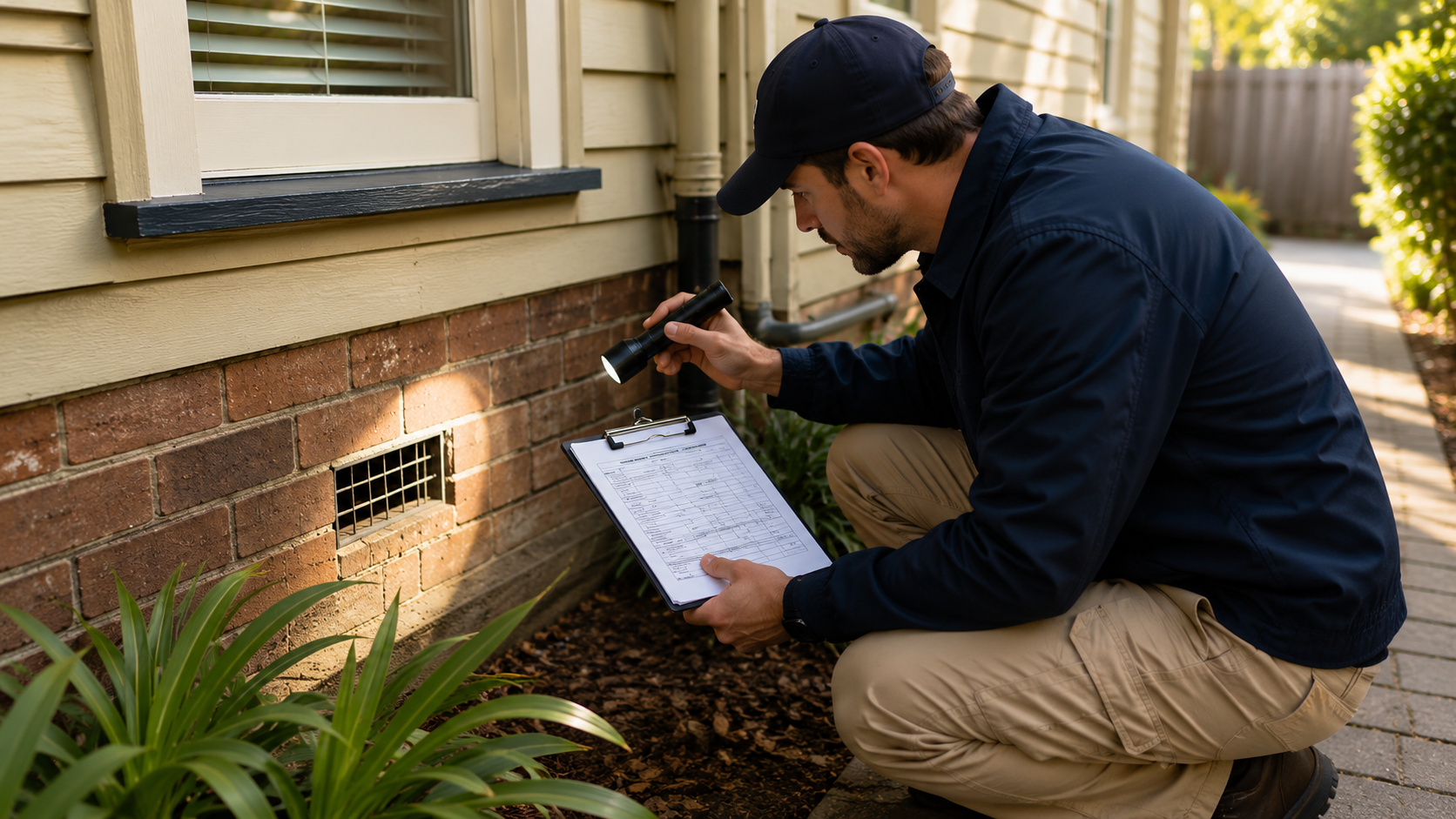
A new home handover inspection is one of the most important steps before taking ownership of a newly built property.. Many homeowners assume that a newly completed property will be free from defects; however, construction projects involve multiple trades, materials, and workmanship standards, making minor and sometimes significant defects relatively common.
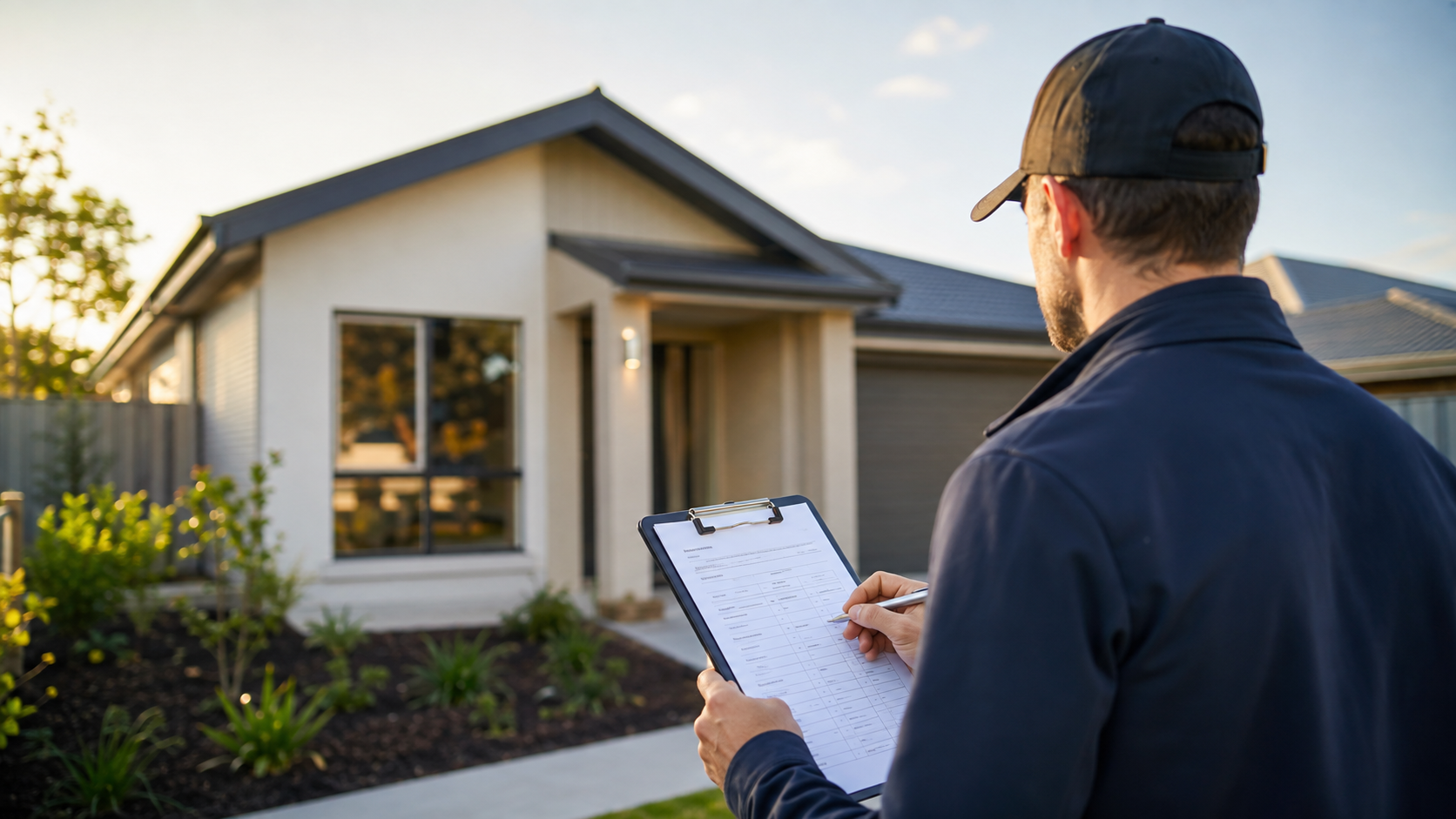
A professional handover inspection, also known as a Practical Completion Inspection (PCI), provides an independent assessment of the property’s condition before ownership is officially transferred. The inspection helps identify defects, incomplete work, and quality concerns, giving homeowners the opportunity to have issues rectified by the builder before settlement.
Why a Handover Inspection Is Important
Even reputable builders can encounter workmanship issues, installation errors, or overlooked defects during construction. While some concerns may be cosmetic, others can affect the property’s functionality, safety, and long-term durability.
A professional inspection provides:
- Independent assessment of workmanship quality
- Identification of incomplete or defective work
- Detailed reporting for builder rectification
- Greater confidence before settlement
- Protection of your long-term investment
By identifying issues before handover, homeowners can avoid future disputes and potentially costly repairs.
Common Defects Found During New Home Handover Inspections
Wall and Ceiling Cracks
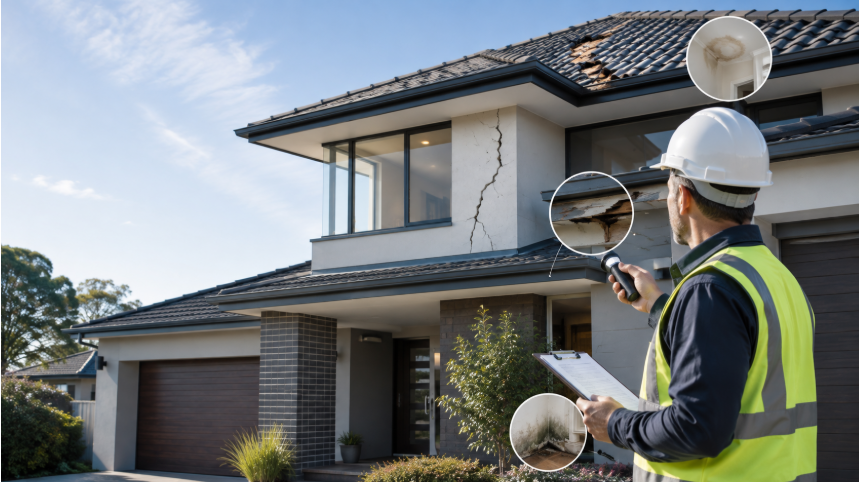
One of the most frequently reported defects in newly built homes is cracking in internal walls and ceilings. While minor settlement cracks can occur naturally, excessive or poorly located cracking may indicate workmanship deficiencies, movement within the structure, or inadequate finishing practices.
Inspectors assess the location, size, and pattern of cracks to determine whether further investigation may be required.
Paint and Finishing Defects
Surface finishes significantly influence the overall presentation of a new home. Common issues include uneven paint coverage, visible patching, paint drips, roller marks, and scratches to completed surfaces.
Although these defects may not affect structural performance, they can impact the quality and appearance expected from a newly constructed property.
Tiling Defects
Bathrooms, kitchens, laundries, and living areas often reveal tiling workmanship concerns. Inspectors commonly identify uneven tile alignment, excessive lippage, cracked tiles, inconsistent grout lines, and hollow-sounding tiles caused by insufficient adhesive coverage.
Poorly installed tiles can lead to premature deterioration and future maintenance issues.
Doors and Windows
All doors and windows should operate smoothly and provide effective sealing and security. During inspections, it is common to find sticking doors, misaligned frames, faulty locks, damaged hardware, or gaps around window installations.
These issues can affect usability, energy efficiency, and weather protection if left unresolved.
Waterproofing Concerns
Waterproofing defects are among the most serious issues identified during handover inspections. Bathrooms, balconies, laundries, and other wet areas must be properly protected against water penetration.
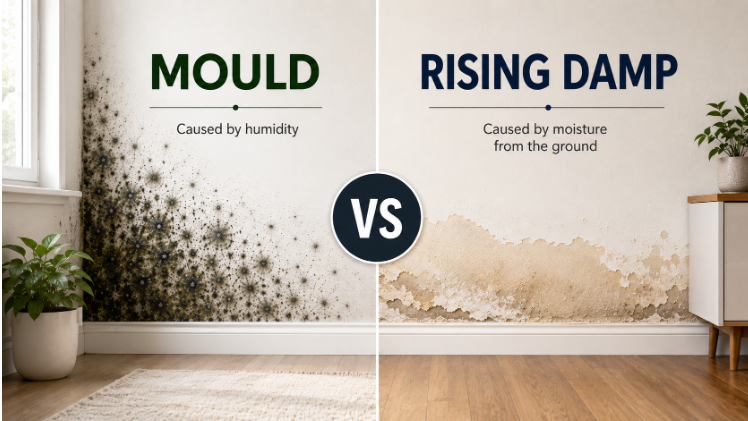
Inadequate waterproofing can result in moisture intrusion, mould growth, damage to internal finishes, and expensive remediation work. Early identification is essential to prevent long-term consequences.
Plumbing and Drainage Issues
Plumbing systems are expected to function correctly from the day the property is occupied. Common defects include leaking taps, slow drainage, incorrect fixture installation, poor water pressure, and drainage concerns around external areas.
Addressing these issues before handover helps avoid inconvenience and future repair costs.
Electrical Installation Defects
Electrical systems should be complete, functional, and compliant with relevant standards. Inspectors may identify faulty outlets, non-functioning light fittings, incomplete installations, loose switch plates, or missing components.
Any electrical defect should be rectified before occupation to ensure safety and reliability.
Flooring Installation Problems
Flooring defects are regularly identified during practical completion inspections. Uneven floor surfaces, scratches, gaps between flooring materials, poor transitions, and installation inconsistencies can affect both appearance and performance.
These issues are generally easier to address before the home is occupied.
Roofing and External Defects
Many external defects remain unnoticed without professional inspection. Common findings include damaged roof coverings, incomplete flashing, gutter alignment problems, inadequate drainage, and poor external sealing.
If not addressed, these defects can contribute to water ingress and long-term maintenance concerns.
Incomplete Construction Work
In addition to workmanship defects, inspectors frequently identify unfinished items that have not been completed according to project specifications. These may include missing fixtures, incomplete sealants, unfinished landscaping elements, or installation omissions.
Documenting these issues before settlement ensures they are addressed while the builder remains responsible.
How a Professional Inspection Protects Homeowners
A handover inspection provides an objective assessment of the property’s condition and helps ensure that defects are documented before final acceptance.
The inspection report serves as a valuable reference when discussing rectification works with the builder and provides homeowners with confidence that the property has been independently assessed.
Considering the significant investment involved in purchasing or building a home, a professional handover inspection represents a small cost compared to the potential expense of correcting defects after settlement.
Conclusion
Newly constructed homes are not immune to defects. From cosmetic imperfections and workmanship concerns to waterproofing issues and incomplete construction work, a variety of problems can be present at handover.
A professional new home handover inspection helps identify these defects before ownership is transferred, ensuring builders have the opportunity to rectify issues before they become the homeowner’s responsibility.
Before accepting the keys to your new property, investing in an independent inspection can provide peace of mind, protect your investment, and help ensure your home meets the quality standards you expect.