In the Australian property market, real estate transactions involve significant financial exposure and long-term commitment. While properties are often presented in their best condition during inspections, many critical defects remain concealed behind cosmetic finishes and surface-level presentation.
A pre purchase building inspection plays a decisive role in bridging this gap between appearance and reality. It provides an independent, technically grounded assessment of a property’s condition before contractual obligations are finalised.
For buyers, investors, and stakeholders, this inspection is not an optional step — it is a fundamental risk management tool within the property acquisition process.
Understanding the Purpose of a Pre Purchase Building Inspection
A pre purchase building inspection is a systematic evaluation of a property conducted by a qualified and licensed inspector in accordance with Australian Standards.
Its objective is to assess the structural integrity, condition, and safety of accessible areas within a building, and to identify defects that may influence financial, legal, or safety outcomes.
Unlike a visual property viewing, this inspection focuses on technical performance, compliance, and long-term durability rather than presentation.
Strategic Importance in Real Estate Transactions
1. Risk Identification Prior to Contract Finalisation
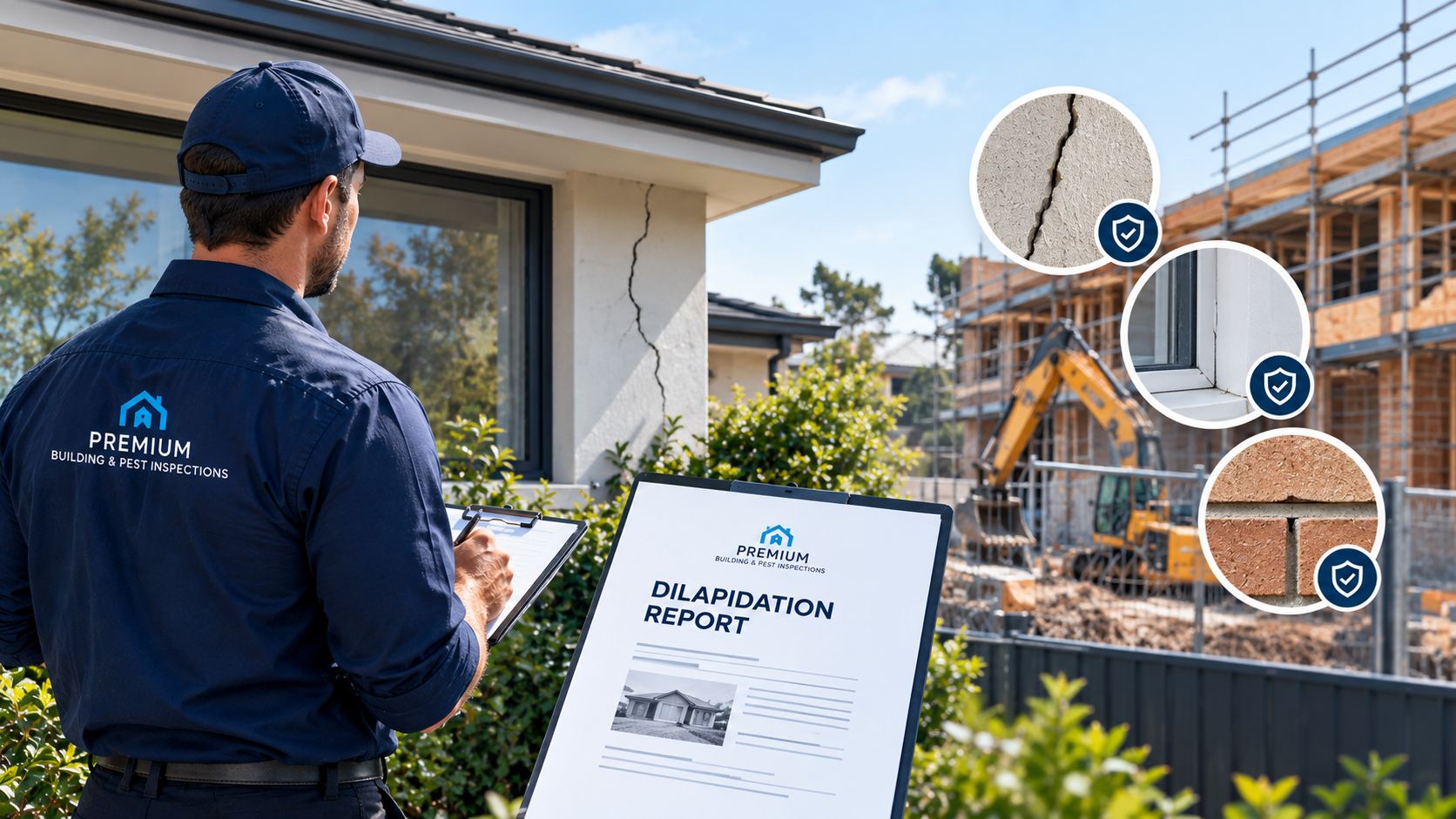
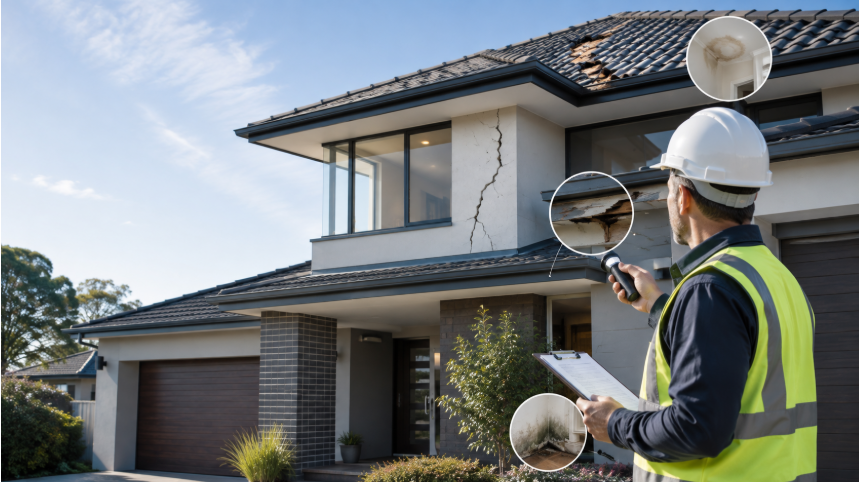
A pre purchase building inspection identifies defects that are not visible during standard property viewings. These may include structural movement, concealed moisture ingress, roofing deterioration, or pest activity.
Early identification ensures buyers are fully aware of the property’s condition before financial commitment.
2. Commercial Advantage in Negotiation
Inspection findings serve as objective, evidence-based documentation during negotiations.
This allows buyers to:
- Adjust purchase pricing based on verified defects
- Request rectification prior to settlement
- Reassess investment viability with factual data
This transforms the inspection into a financial negotiation instrument rather than a procedural formality.
3. Protection Against Post-Settlement Liability
Once a property transaction is completed, all maintenance and repair obligations transfer to the buyer.
A pre purchase building inspection significantly reduces exposure to unforeseen costs such as:
- Structural repairs
- Termite remediation
- Waterproofing failures
- Electrical or plumbing rectifications
It effectively mitigates post-purchase financial risk.
4. Compliance and Due Diligence Assurance
Professional inspections ensure the property aligns with relevant Australian building standards and identify areas of non-compliance that may lead to legal or insurance complications.
This is a critical component of due diligence in modern real estate transactions.
5. Decision Confidence and Investment Clarity
A pre purchase building inspection provides structured clarity, enabling buyers to proceed with confidence or withdraw based on factual assessment rather than assumption.
This supports rational, risk-informed property acquisition decisions.
Scope of a Pre Purchase Building Inspection
A professional inspection evaluates key building systems and structural components, including:
Structural Integrity
- Foundations and slab performance
- Load-bearing walls and framing systems
- Roof structure and stability
Building Envelope
- Roofing materials and drainage systems
- External walls and façade condition
- Guttering and stormwater management
Internal Condition
- Wall and ceiling integrity
- Flooring systems and alignment
- Doors, windows, and internal finishes
Moisture and Environmental Factors
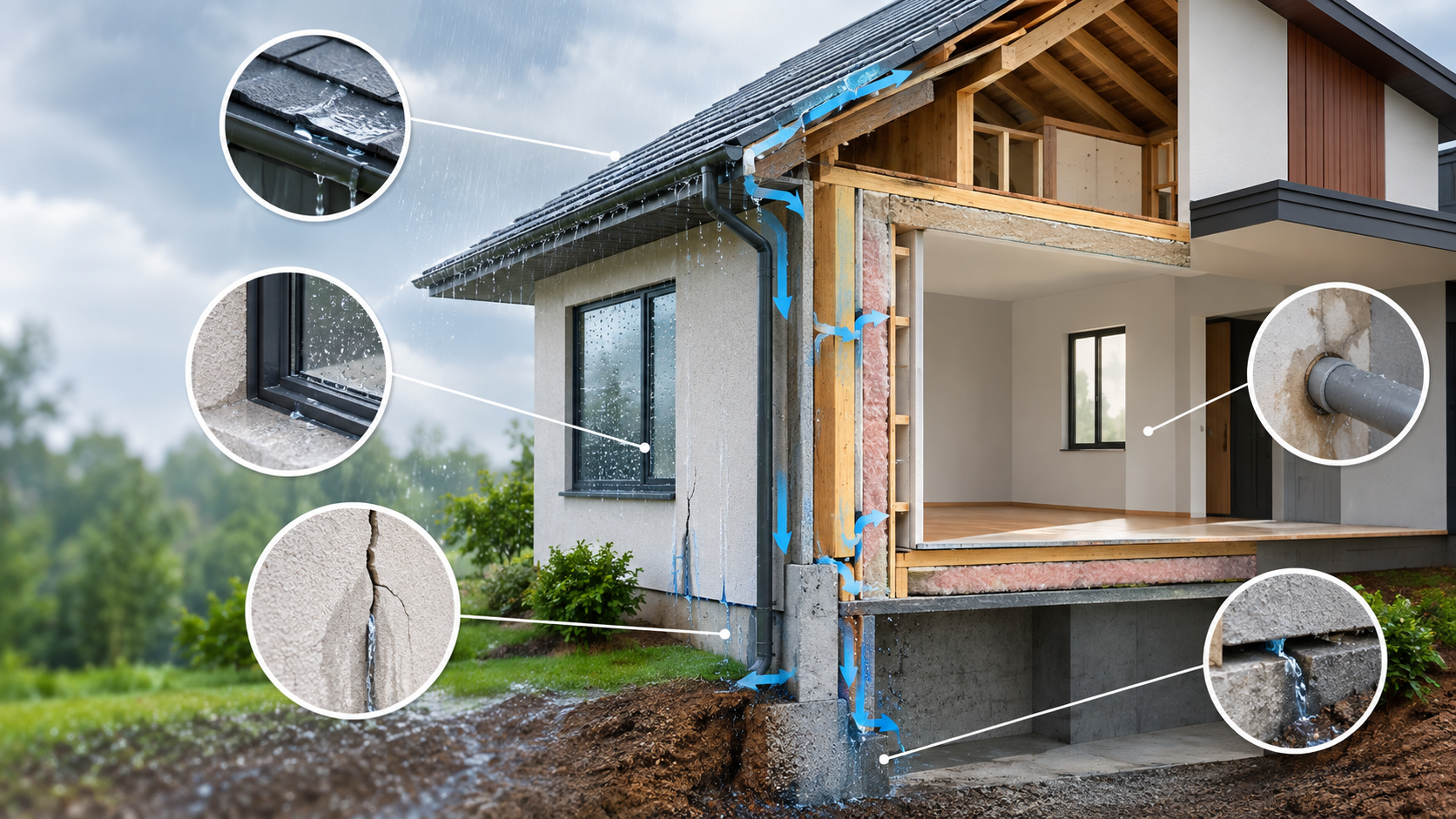
- Water ingress and leakage pathways
- Rising damp indicators
- Ventilation and humidity-related risks
Services (Visual Assessment)
- Electrical safety concerns
- Plumbing integrity and visible defects
- Age-related system deterioration
Pest and Timber Condition
- Termite activity indicators
- Timber decay and damage
- Conditions conducive to pest infestation
Commonly Identified Defects in Inspections
A pre purchase building inspection frequently reveals:
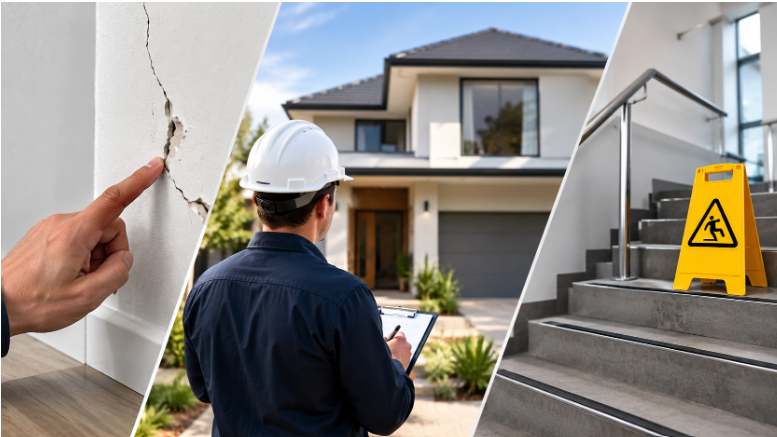
- Structural cracking or movement
- Roofing failures or hidden leaks
- Moisture penetration and internal dampness
- Timber pest activity or previous infestation damage
- Non-compliant or unapproved building modifications
These defects are often concealed beneath cosmetic upgrades or recent renovations.
Role in Protecting Property Value
Beyond immediate risk identification, a pre purchase building inspection plays a direct role in protecting long-term asset value by:
- Preventing overcapitalisation on defective assets
- Identifying future maintenance liabilities
- Supporting accurate valuation assessments
- Preserving resale potential through informed acquisition
Conclusion
A pre purchase building inspection is a critical component of professional real estate transactions. It transforms property acquisition from a speculative decision into a structured, evidence-based investment process.
By identifying hidden defects, clarifying structural condition, and supporting negotiation strategy, it ensures buyers enter property ownership with full technical and financial awareness.
In high-value property markets, informed decisions are not optional — they are essential. A pre purchase inspection provides the clarity required to make those decisions with confidence and control.