Make a Confident Property Investment Decision
Purchasing a residential property is a significant financial commitment. While a home may appear sound in its major elements during an initial viewing, many critical defects remain concealed beneath surfaces and major elements.
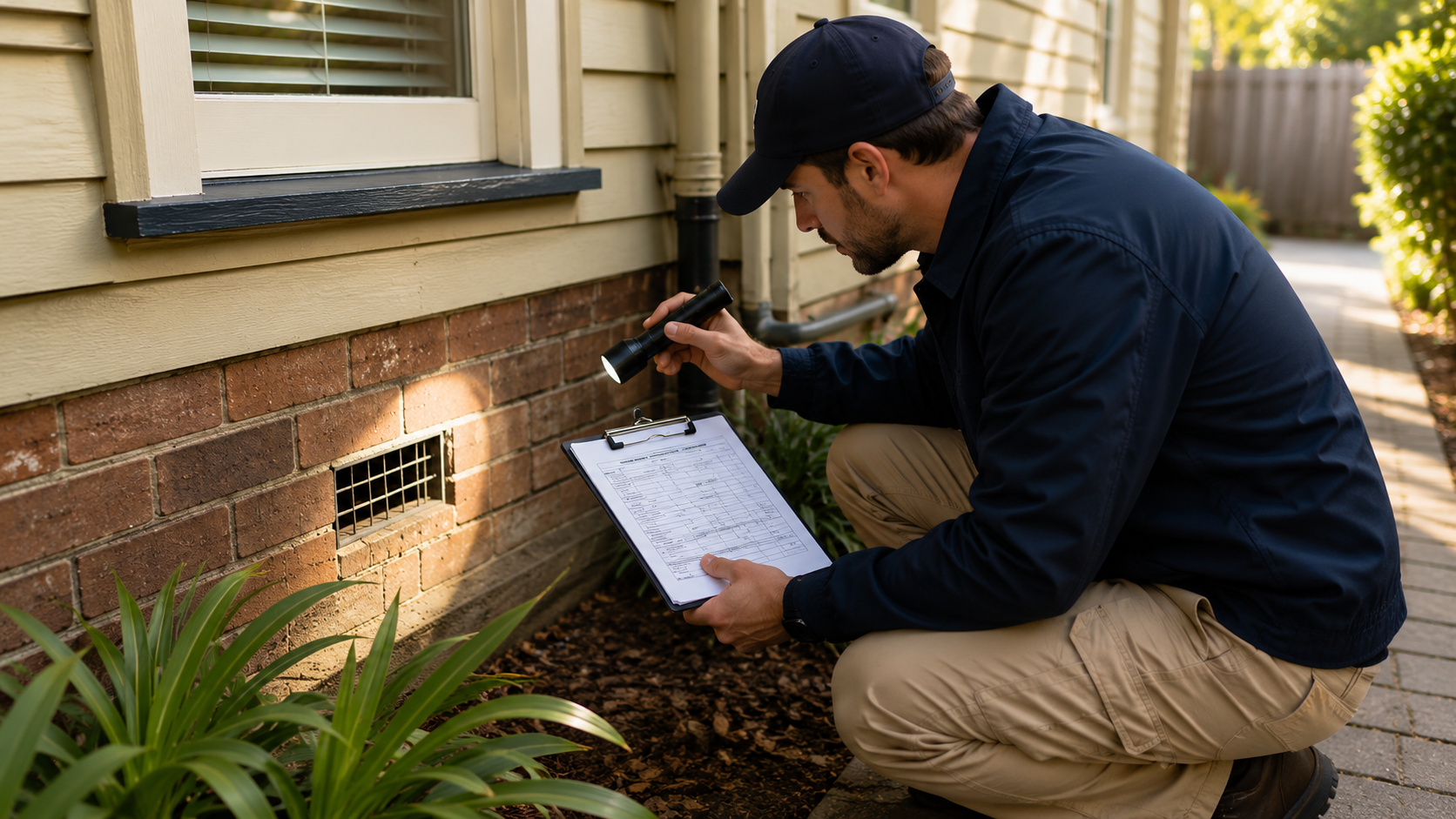
A pre-purchase building inspection provides a comprehensive and independent assessment of the property’s condition, helping buyers identify risks before finalising the transaction.
Why Pre-Purchase Inspections Are Essential
A visual walkthrough alone is not sufficient to identify underlying defects.
A professional inspection ensures that:
- Major concerns are identified early
- Hidden damage is documented with evidence
- Safety risks are clearly outlined
- Buyers can make informed, risk-aware decisions
In many cases, inspection findings influence both purchase decisions and price negotiations.
Detailed Overview of Hidden Issues
1. Significant Movement and Foundation Issues
Significant movement of the property remains one of the most critical concerns identified during inspections.
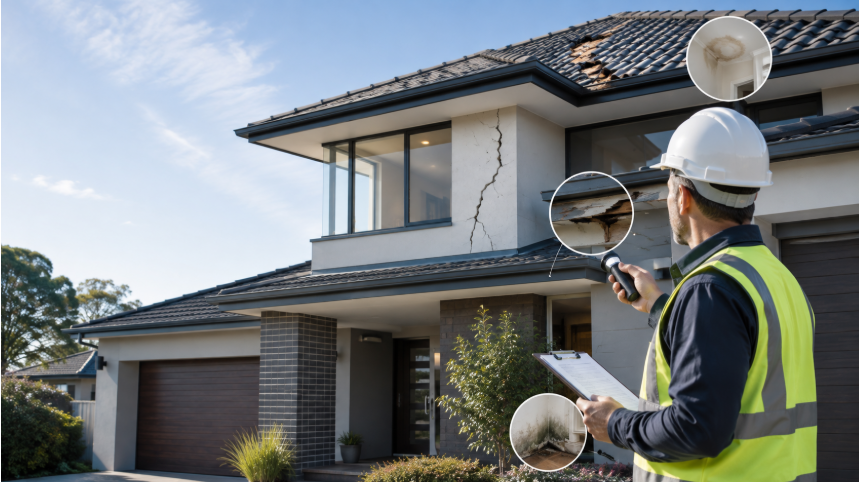
Common indicators include wall cracking, uneven flooring, and misaligned openings.
These issues may arise from soil movement, foundation stress, or construction deficiencies.
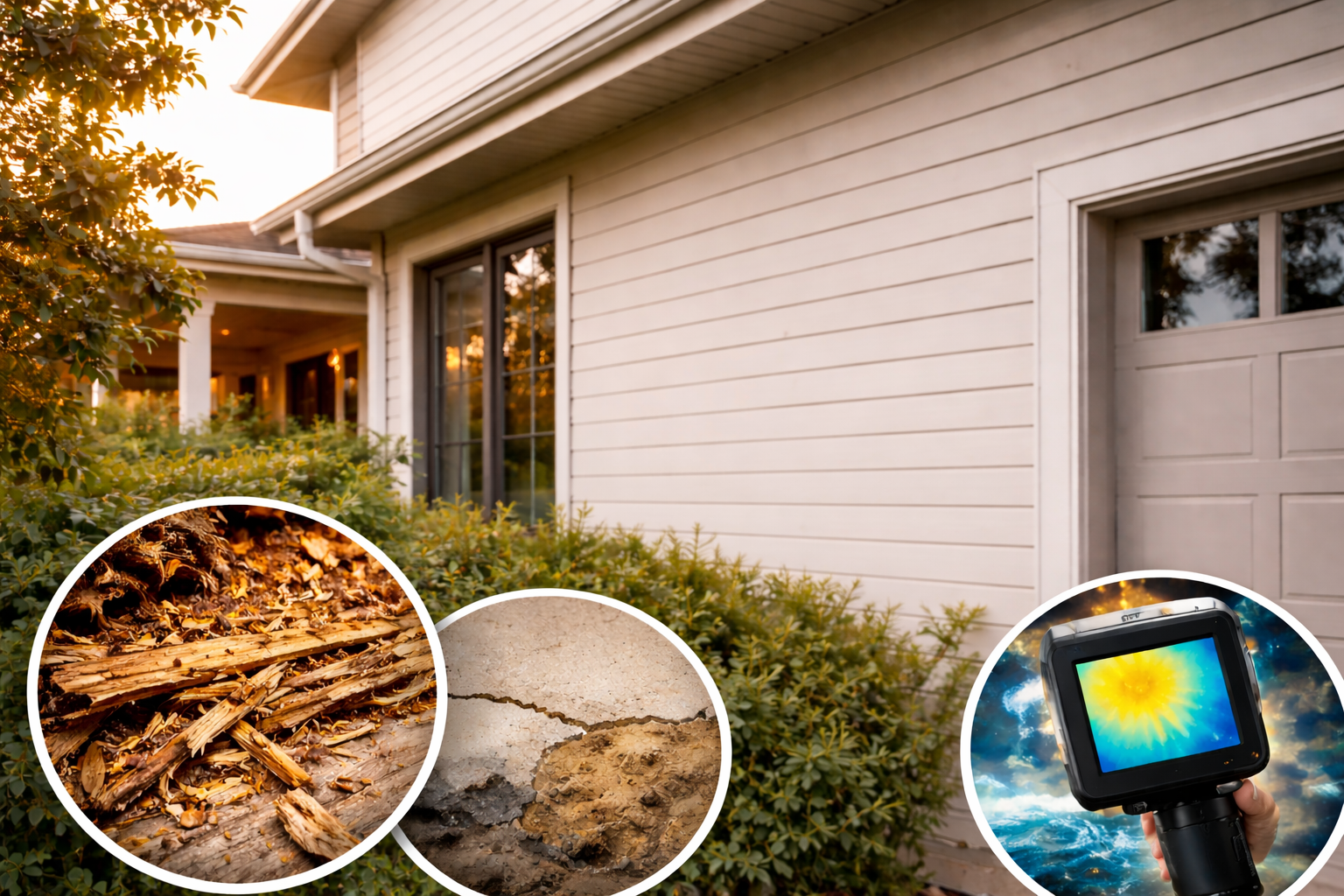
2. Termite Activity and Timber Damage
Termite infestation can significantly compromise the property’s major elements and integrity and is often not visible during standard property viewings.
Inspection of accessible timber areas, subfloor spaces, and roof voids helps identify both active and historical damage.
3. Water Penetration and Moisture Ingress
Water penetration is a key issue that can affect bothl performance and internal living conditions.
Sources may include roofing defects, poor sealing, or inadequate drainage.
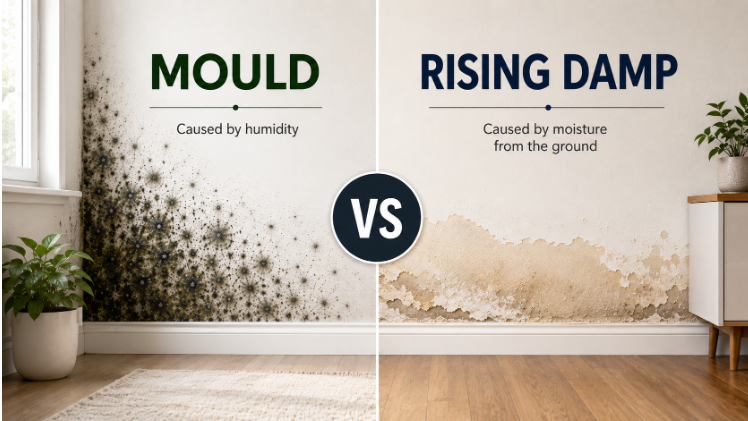
Prolonged moisture exposure can lead to mold growth, material deterioration, and long-term damage.
4. Roofing System Deficiencies
Roof-related issues are commonly identified during inspections due to their limited visibility from ground level.
Defects may include damaged tiles, deteriorated flashing, and ineffective drainage systems.
5. Electrical Safety Concerns
Electrical systems may not always meet current safety standards, particularly in older properties.
Visible concerns such as outdated switchboards or exposed wiring are assessed to identify potential risks.
6. Safety Hazards and Compliance Risks
A building inspection evaluates key safety elements within the property.
This includes unstable structures, inadequate barriers, or non-compliant installations that may pose risks to occupants.
7. Substandard Construction and Workmanship
Defects resulting from poor workmanship are not uncommon, even in recently constructed homes.
Inspection helps identify incomplete finishes and areas requiring rectification.
8. Ventilation and Insulation Limitations
Proper ventilation is essential for maintaining a healthy indoor environment.
Inadequate airflow can result in condensation, mold formation, and reduced comfort levels.
9. Pool Safety and Barrier Compliance Issues
Where a property includes a swimming pool, inspection of pool barriers and safety features is essential.
Non-compliant fencing, gates, or access points may not meet current regulations and can present safety and legal concerns.
10.Unauthorized Alterations and Property Modifications
Alterations completed without appropriate approvals can create compliance and resale challenges..
Inspection helps identify visible modifications that may require further verification.
What a Professional Building Inspection Covers
A standard pre-purchase building inspection includes a systematic assessment of:
- components (walls, floors, foundations)
- Roof exterior and internal roof space
- Interior and exterior building elements
- Electrical systems (visual inspection)
- Pool safety compliance (where applicable)
- Moisture-related concerns and water penetration risks
A detailed report is provided with clear findings and photographic documentation.
How an Inspection Adds Value
A professional inspection enables you to:
- Identify potential repair costs before purchase
- Strengthen your position during price negotiations
- Avoid high-risk investments
- Proceed with confidence based on expert evaluation
Conclusion
A pre-purchase building inspection is not just a precaution—it is a critical step in protecting your investment. Hidden defects can significantly impact the safety, value, and long-term cost of a property.
By engaging a professional inspection service, you gain clarity, reduce uncertainty, and ensure that your decision is based on accurate and comprehensive information.
Taking this step before finalising your purchase can save you from unexpected expenses and provide complete peace of mind.
Book a Pre-Purchase Building Inspection
Ensure your property investment is supported by a clear and professional assessment.
Service: Pre-Purchase Building Inspections
📞 0466 001 551