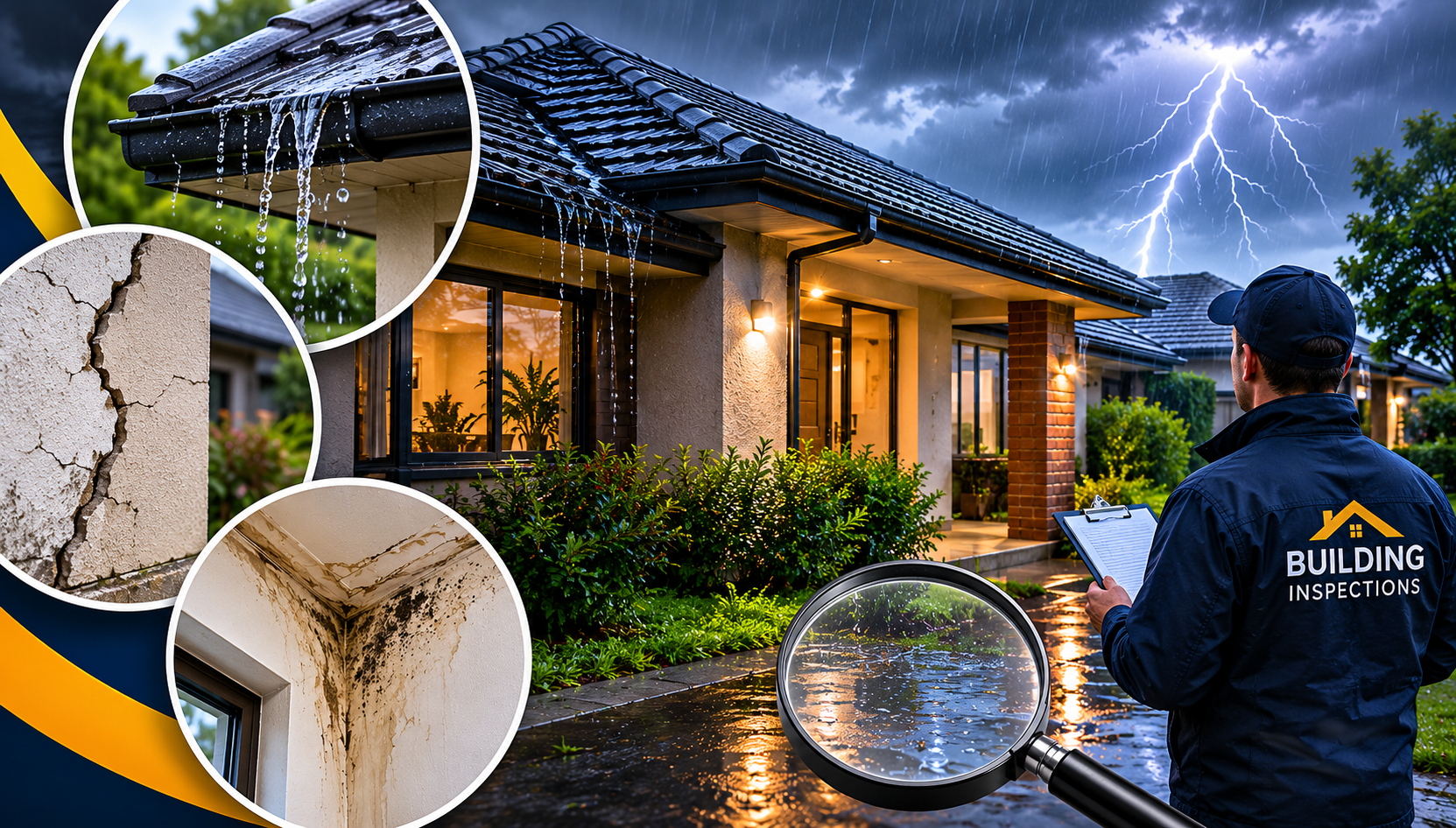
Australia is no stranger to challenging weather conditions. From intense summer heatwaves and severe storms to prolonged periods of heavy rainfall and flooding, homes across the country are regularly exposed to environmental conditions that can test their durability.
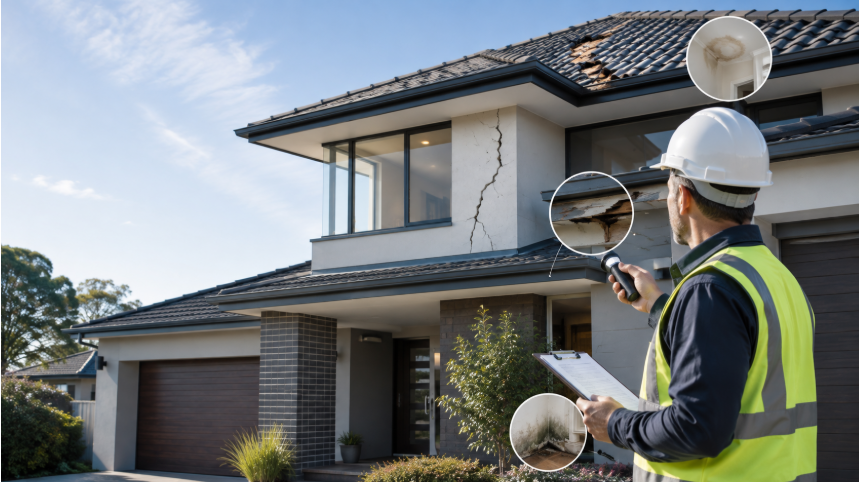
While most homeowners expect extreme weather to cause visible damage, many are surprised to learn that weather events often reveal hidden building defects that may have existed for years. What appears to be a minor leak, a small crack, or a patch of mould can sometimes indicate a larger issue affecting the property’s condition.
As weather patterns continue to become more unpredictable, understanding how extreme weather impacts residential properties is becoming increasingly important for homeowners, investors, and property buyers alike.
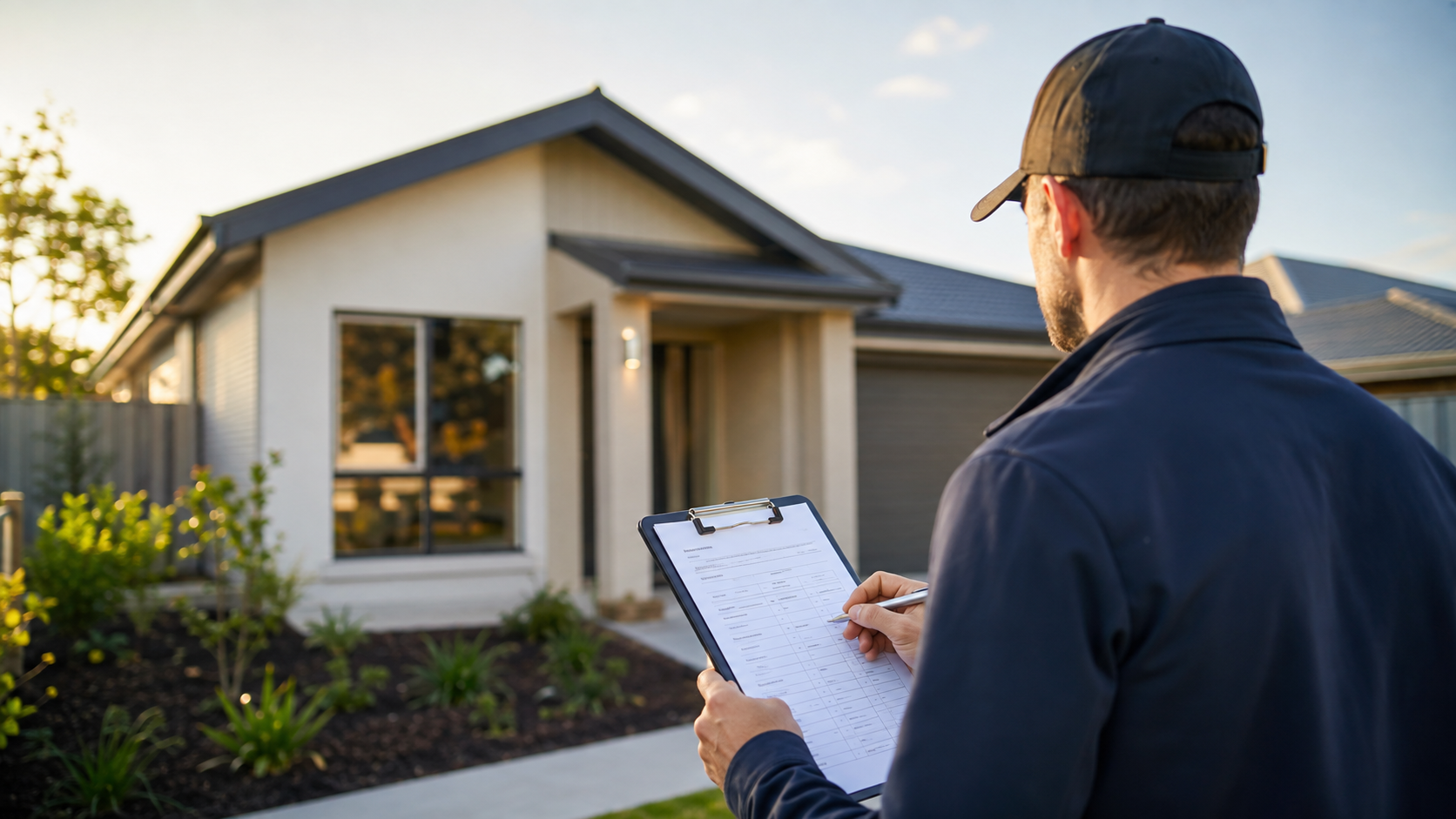
A professional building inspection can help identify these issues early, allowing property owners to address problems before they become costly and disruptive.
Why Extreme Weather Is Exposing More Building Defects
Residential properties are designed to withstand everyday weather conditions. However, years of exposure to rain, heat, wind, and changing ground conditions naturally cause wear and tear on building components.
When severe weather strikes, it places additional pressure on areas of a property that may already be weakened. Roof coverings, gutters, drainage systems, external walls, windows, doors, and waterproofing systems can all be affected.
In many cases, the weather itself is not the root cause of the problem. Instead, it acts as a trigger that exposes existing defects that were previously hidden from view.
For example, a roof may appear perfectly sound during dry weather but begin leaking during a period of intense rainfall. Likewise, drainage issues may remain unnoticed until a storm produces enough water to overwhelm the system.
This is why many building defects are first discovered immediately after major weather events.
Roof Leaks and Water Entry
One of the most common issues identified during building inspections following severe weather is water entry.
Heavy rainfall can expose weaknesses in roofing systems that may not be obvious during normal conditions. Damaged roof coverings, deteriorated flashing, blocked gutters, and poorly sealed penetrations are all common sources of water intrusion.
Once water enters a property, it can travel considerable distances before becoming visible. A ceiling stain appearing in one room may actually originate from a defect located elsewhere on the roof.
Over time, water entry can contribute to:
- Ceiling staining
- Damaged wall linings
- Mould growth
- Insulation deterioration
- Timber decay
- Increased maintenance costs
Because many leaks begin as minor issues, early detection is critical. Building inspections can help identify moisture-related concerns before significant damage occurs.
Moisture Problems and Rising Damp
Moisture is one of the most damaging elements affecting residential properties.
Periods of prolonged rainfall often reveal moisture issues that have been developing quietly behind walls, beneath floors, or within roof spaces.
Common signs of moisture-related defects include:
- Peeling paint
- Bubbling wall surfaces
- Damp patches
- Mould growth
- Musty odours
- Deteriorating finishes
Many homeowners assume these problems are cosmetic, but they often indicate ongoing moisture exposure that requires investigation.
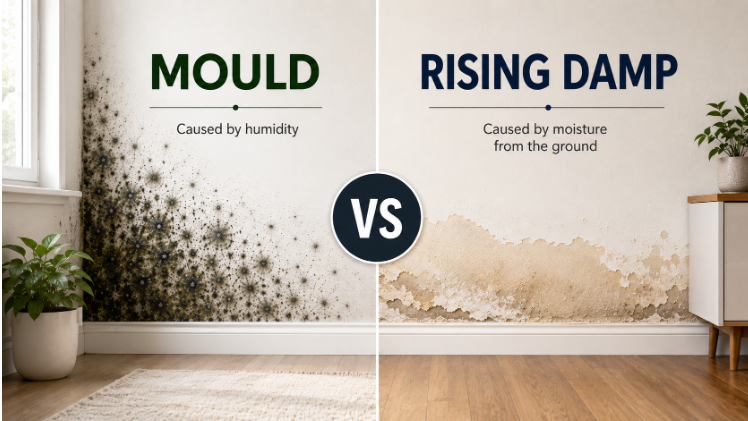
Rising damp can also become more apparent after extended wet periods. Excess moisture may move upward through building materials, causing visible deterioration and creating conditions that encourage mould growth.
Because moisture problems can spread over time, professional assessment is often the best way to determine the extent of the issue.
Why Cracks Sometimes Appear After Extreme Weather
It is common for property owners to notice cracks appearing after periods of extreme weather.
Changes in ground moisture levels can contribute to movement beneath a property. During extended dry periods, certain soil types may shrink. When significant rainfall eventually occurs, the soil can expand again.
This natural cycle can sometimes lead to visible cracking in walls, ceilings, pathways, and external finishes.
Not every crack indicates a serious problem. In fact, many cracks are simply the result of normal movement over time. However, new cracks, widening cracks, or clusters of cracks appearing after severe weather should not be ignored.
A building inspection can help determine whether the observed movement appears typical or whether further investigation may be required.
Drainage Problems Often Remain Hidden Until Heavy Rainfall Occurs
Drainage systems play a crucial role in protecting a property from excess water.
Unfortunately, many drainage issues remain hidden until substantial rainfall occurs. During storms, deficiencies that have gone unnoticed for years can suddenly become obvious.
Common drainage-related concerns include:
- Water pooling around the property
- Overflowing gutters
- Blocked downpipes
- Inadequate stormwater management
- Poor site grading
- Soil erosion
If water consistently accumulates around a property, it may increase the risk of moisture-related deterioration and other maintenance concerns.
A building inspection can often identify warning signs that suggest drainage improvements may be beneficial.
Storm Damage Beyond the Roof
When people think of storm damage, they often focus on the roof. However, severe weather can affect many other areas of a property.
Strong winds can loosen external fixtures, damage fencing, affect cladding, and create entry points for water.
Flying debris may impact windows, doors, and external surfaces.
Even if damage is not immediately visible, hidden issues can develop over time if repairs are delayed.
This is one reason many property owners choose to arrange an inspection following major storms, particularly when they suspect their property may have been affected.
Timber Deterioration and Increased Pest Activity
Wet conditions can create ideal environments for timber deterioration.
When timber remains damp for extended periods, its condition may gradually decline. Moisture can affect both exposed and concealed timber components throughout the property.
Additionally, moisture-rich environments may increase the likelihood of pest activity in some locations.
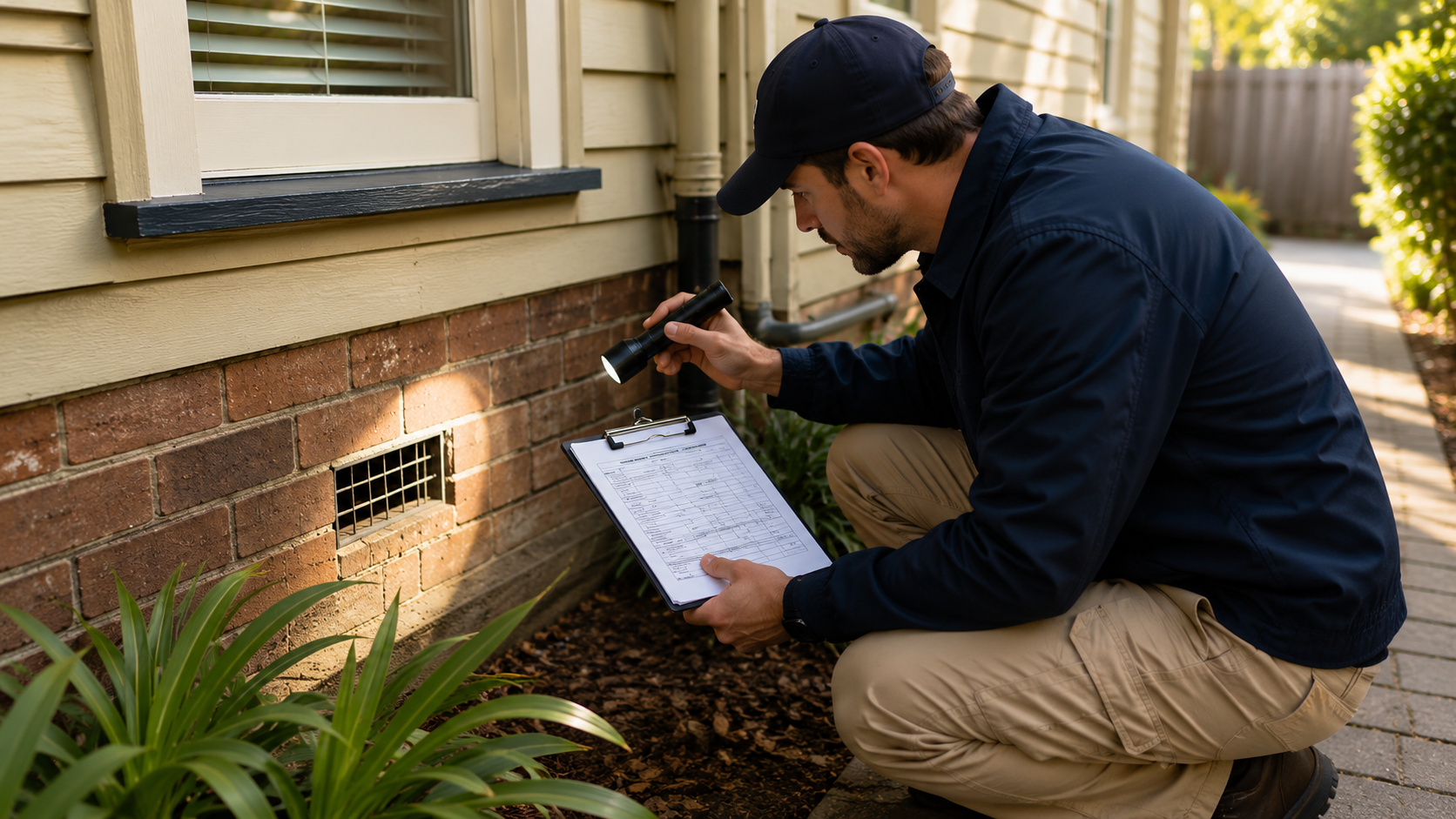
Because these issues often occur in roof spaces, subfloors, wall cavities, and other difficult-to-access areas, they frequently go unnoticed until a professional inspection is conducted.
Identifying problems early can help property owners minimise future repair costs and maintain the overall condition of their homes.
The Risks for Property Buyers
For property buyers, extreme weather creates an additional layer of risk.
A property may appear well-maintained during an inspection conducted on a sunny day, yet hidden issues may only become apparent after significant rainfall or severe weather.
This is why pre-purchase building inspections remain one of the most important steps in the buying process.
An independent inspection can help identify:
- Signs of previous water entry
- Moisture-related deterioration
- Evidence of ongoing maintenance concerns
- Building movement indicators
- Drainage issues
- Areas requiring further attention
Understanding these risks before committing to a purchase can help buyers make informed decisions and avoid unexpected expenses.
Warning Signs Homeowners Should Never Ignore
Extreme weather often reveals warning signs that deserve attention.
These may include:
- New cracks appearing in walls or ceilings
- Water stains on ceilings
- Damp patches inside the home
- Persistent mould growth
- Musty smells
- Doors or windows becoming difficult to operate
- Overflowing gutters during rain
- Water pooling around the property
- Peeling paint and bubbling finishes
While these symptoms do not automatically indicate a major defect, they often suggest that further assessment is warranted.
Ignoring early warning signs can allow relatively minor issues to develop into more significant repair projects.
Why Regular Building Inspections Matter
Many people associate building inspections solely with buying or selling property. However, inspections can also form an important part of ongoing property maintenance.
Regular inspections help property owners understand the condition of their homes and identify developing issues before they become expensive problems.
Benefits of professional building inspections include:
- Early defect identification
- Reduced repair costs
- Improved maintenance planning
- Greater confidence for property buyers
- Better understanding of property condition
- Increased peace of mind
In an environment where extreme weather events are becoming more common, proactive inspections can provide valuable protection for property owners.
What to Do After Severe Weather
If your property has recently experienced severe weather, it may be worthwhile to conduct a visual review of the building.
Pay particular attention to:
- Roof areas
- Gutters and downpipes
- External walls
- Windows and doors
- Internal ceilings
- Damp or discoloured surfaces
- Areas where water may collect
If you notice anything unusual, arranging a professional building inspection can help determine whether further action is required.
The sooner potential defects are identified, the easier and more cost-effective they are often to address.
Final Thoughts
Extreme weather is becoming an increasingly important consideration for Australian property owners. Heavy rainfall, storms, heatwaves, and changing ground conditions can expose hidden building defects that may otherwise remain undetected for years.
While some issues are immediately visible, many develop gradually and only become apparent when severe weather places additional pressure on a property’s weakest points.
Whether you own a family home, manage an investment property, or are considering a property purchase, understanding the condition of the building is essential.
A professional building inspection provides valuable insight into hidden defects, maintenance concerns, and weather-related risks, helping property owners make informed decisions and protect one of their most valuable assets.