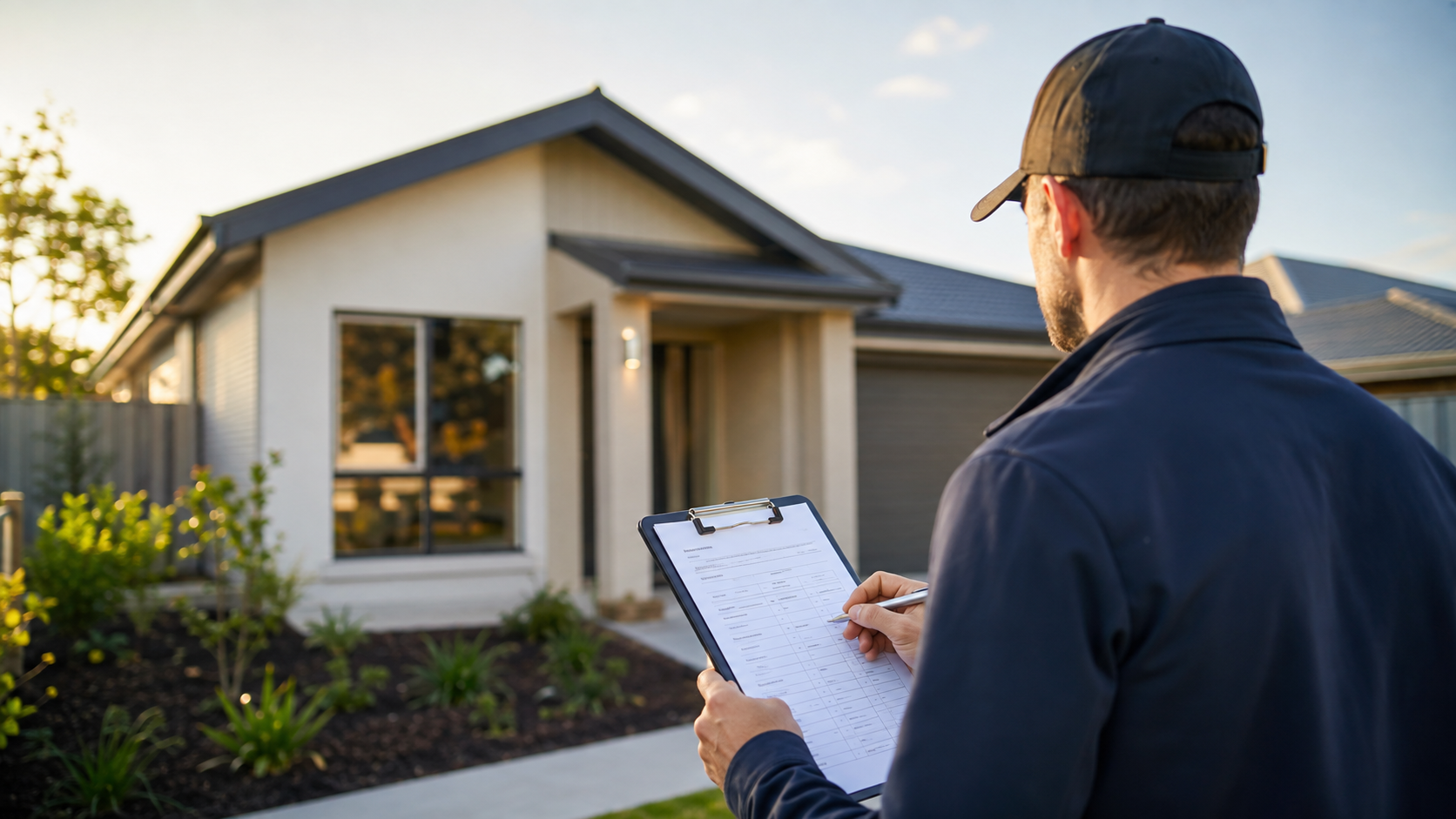
Owning a home is one of life’s biggest investments, but every property—regardless of its age, design, or construction quality—will naturally change over time. From the day a house is built, it begins responding to its environment. Seasonal weather, soil movement, moisture, temperature fluctuations, and everyday use all influence its structural performance.
While most homeowners expect a property to age, many assume that major building defects appear suddenly. In reality, serious issues rarely develop overnight. They are usually the result of small problems that go unnoticed or are left unresolved for months or even years.
A minor roof leak may slowly saturate roof timbers before eventually staining ceilings. Poor site drainage can gradually weaken foundations, leading to wall cracks and uneven floors. Inadequate ventilation may create hidden moisture, encouraging mould growth and timber decay without any obvious warning signs.
Understanding why homes develop defects is just as important as knowing how to identify them. By recognising the underlying causes of deterioration, homeowners and buyers can make informed decisions, prioritise maintenance, and prevent minor concerns from becoming costly repairs.
In this article, we’ll explore the science behind common building defects, explain why they occur, and share practical steps to help protect your property for years to come.
Homes Are Dynamic Structures, Not Static Buildings
A common misconception is that once a home is completed, it remains structurally unchanged unless something goes wrong. In reality, buildings are constantly moving—albeit in small, often imperceptible ways.
Construction materials such as timber, concrete, brick, steel, and plasterboard naturally expand and contract in response to changes in temperature and humidity. Likewise, the ground beneath a property responds to rainfall, drought, and seasonal moisture levels, causing foundations to shift slightly over time.
These natural movements are expected and are generally accounted for during construction. However, when movement becomes excessive or combines with poor maintenance, inadequate drainage, or construction defects, it can lead to visible signs of deterioration.
Rather than viewing a home as a collection of individual components, it is more accurate to think of it as an interconnected system. Every element—from the roof and walls to the foundations and drainage—works together to maintain structural stability.
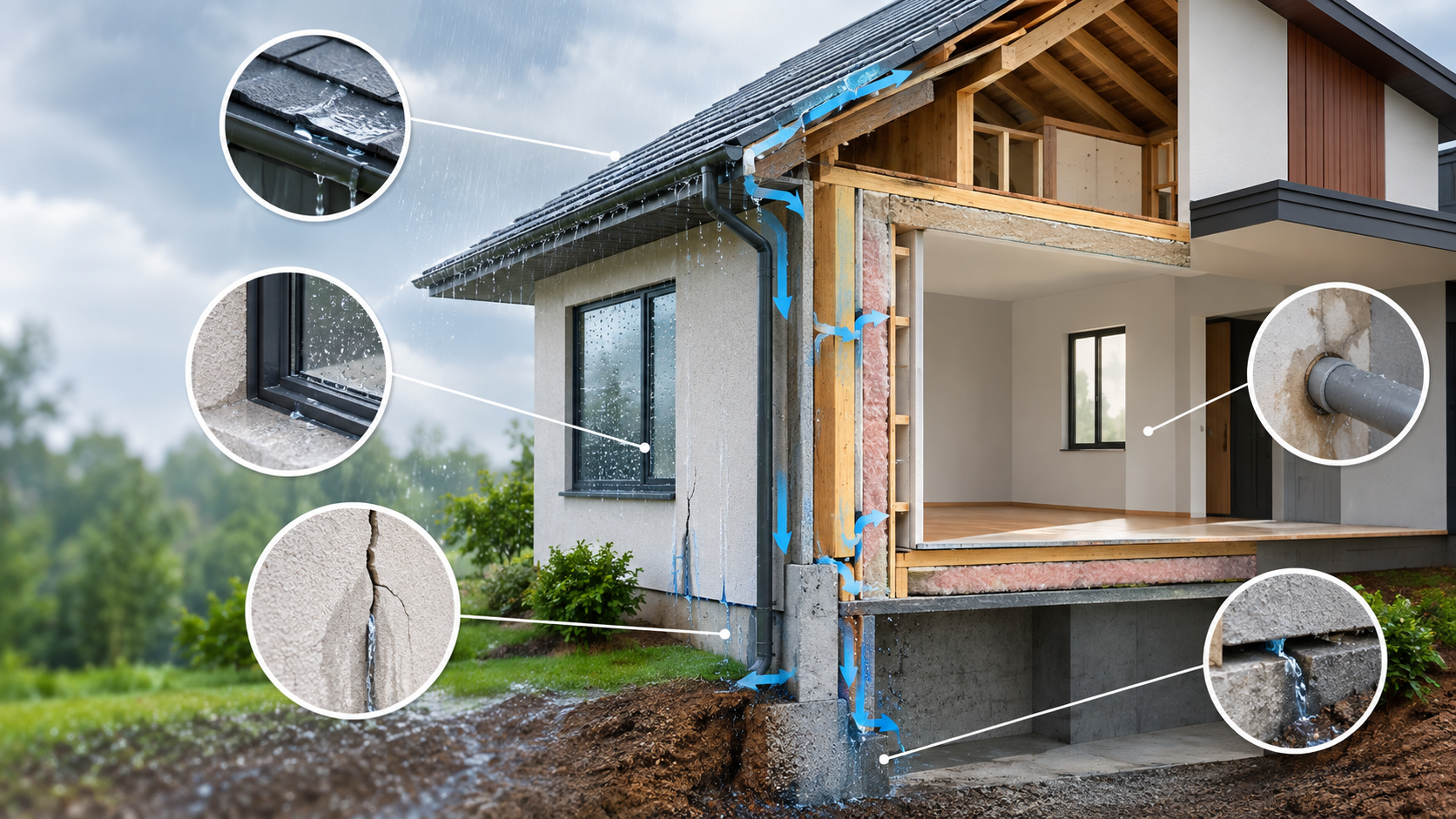
When one part of that system begins to fail, it often places additional stress on others. For example, a blocked gutter may seem insignificant, but overflowing water can damage fascia boards, saturate wall cavities, weaken foundations, and eventually lead to structural movement.
Recognising these relationships is key to understanding how building defects develop.
The Science of Foundation Movement
Foundations are designed to transfer the weight of a building safely into the ground. However, the soil beneath a property is rarely as stable as many homeowners imagine.
Across many parts of Australia, particularly in areas with reactive clay soils, the ground expands when wet and contracts as it dries. This repeated cycle creates movement beneath the foundations, placing stress on the structure above.
Several factors contribute to foundation movement, including:
- Seasonal moisture changes
- Prolonged drought or heavy rainfall
- Tree roots extracting moisture from surrounding soil
- Poor site drainage
- Inadequate compaction during construction
- Natural settlement of newly built homes
As foundations shift, different parts of the building may move at varying rates. This uneven movement, known as differential settlement, often results in:
- Cracking brickwork
- Separation around windows and doors
- Uneven flooring
- Sticking doors
- Gaps between walls and ceilings
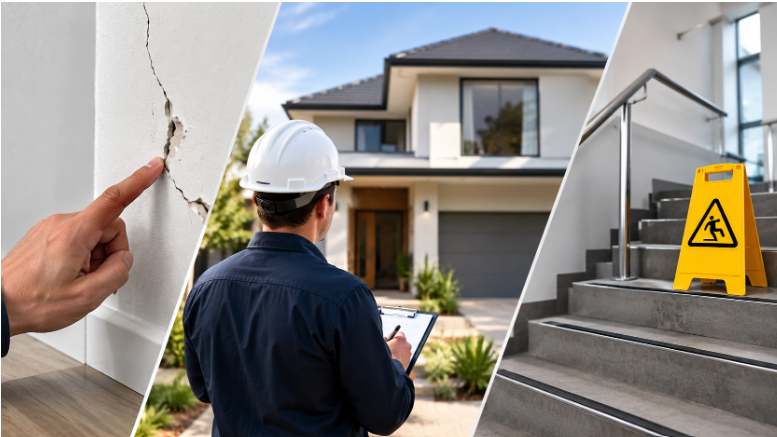
Not every crack indicates structural failure, but recurring or widening cracks should always be professionally assessed.
Why Moisture Is One of a Home’s Greatest Enemies
Few factors cause more widespread damage than uncontrolled moisture.
Unlike storm damage or flooding, moisture intrusion often develops gradually and remains hidden inside walls, roof cavities, or subfloors for extended periods. Because it progresses slowly, homeowners frequently discover secondary damage before identifying the original source.
Moisture typically enters a building through:
- Damaged roofing materials
- Failed waterproof membranes
- Faulty plumbing
- Blocked gutters
- Poor external drainage
- Rising damp
- Inadequate ventilation
Once water enters a building, it affects far more than the immediate area.
Insulation loses effectiveness, timber absorbs moisture, mould spores begin to grow, metal components corrode, and plasterboard weakens. Over time, prolonged dampness can compromise structural elements and reduce indoor air quality.
The longer moisture remains undetected, the more extensive and expensive the repairs often become.
Roof Systems: Your Home’s First Line of Defence
A roof is designed to protect every component beneath it, yet it is continuously exposed to harsh environmental conditions.
Intense sunlight, heavy rainfall, wind, falling debris, and fluctuating temperatures all contribute to gradual wear and deterioration.
Common roofing issues include:
- Broken or displaced roof tiles
- Corroded metal roofing
- Damaged flashing around chimneys and skylights
- Loose ridge capping
- Blocked gutters and downpipes
- Deteriorated roof sealants
Many roof defects develop slowly and remain unnoticed because homeowners rarely inspect roof spaces or access elevated areas safely.
Unfortunately, by the time water stains appear on internal ceilings, damage may already extend to insulation, roof framing, and ceiling linings.
Routine inspections help identify early signs of deterioration before they lead to more significant structural problems.
The Importance of Effective Drainage
Water should always move away from a building—not towards it.
Poor site drainage is one of the most overlooked contributors to building defects, yet it has the potential to affect almost every part of a property.
When rainwater continually collects around foundations, soil moisture levels become unstable. Over time, this increases the likelihood of ground movement, rising damp, and foundation settlement.
Poor drainage can also contribute to:
- Subfloor moisture
- Timber decay
- Landscaping erosion
- Concrete movement
- Mould growth
- Pest activity
Simple maintenance measures, such as cleaning gutters, ensuring downpipes discharge away from foundations, and maintaining appropriate site grading, can significantly reduce long-term structural risk.
Timber Decay and Termites: Different Causes, Similar Consequences
Timber has long been one of the most reliable construction materials used in Australian homes. It’s strong, versatile, and durable when properly maintained. However, two of its greatest threats—moisture and termites—can significantly compromise its structural integrity.
Although timber decay and termite damage are often confused, they occur for very different reasons.
Timber decay is caused by prolonged exposure to moisture. When timber remains damp for extended periods, fungi begin breaking down its fibres, causing the wood to soften and lose its strength. Poor ventilation, plumbing leaks, roof leaks, and rising damp are among the most common contributors.
Termites, on the other hand, feed on timber and often remain hidden inside walls, roof structures, or subfloors. Because they consume wood from the inside out, extensive damage may occur before visible signs appear.
Common warning signs include:
- Hollow-sounding timber
- Soft or spongy floorboards
- Sagging floors
- Mud tubes along walls or foundations
- Tight-fitting doors and windows
- Fine timber dust
- Musty odours in enclosed spaces
Regular building and pest inspections are one of the most effective ways to identify these issues before they require extensive structural repairs.
Why New Homes Can Still Have Building Defects
Many buyers assume that purchasing a newly built home eliminates the risk of defects. While modern construction follows strict building standards, new homes are not immune to problems.
Construction projects involve numerous trades working under tight schedules. Even small installation errors can affect the long-term performance of a building.
Independent inspectors commonly identify defects such as:
- Inadequate waterproofing
- Poor roof flashing installation
- Uneven flooring
- Cracked tiles
- Incorrect grading around the property
- Plumbing leaks
- Incomplete sealing around windows and doors
- Poor drainage design
These issues may appear minor during handover but can become much more costly if left unresolved.
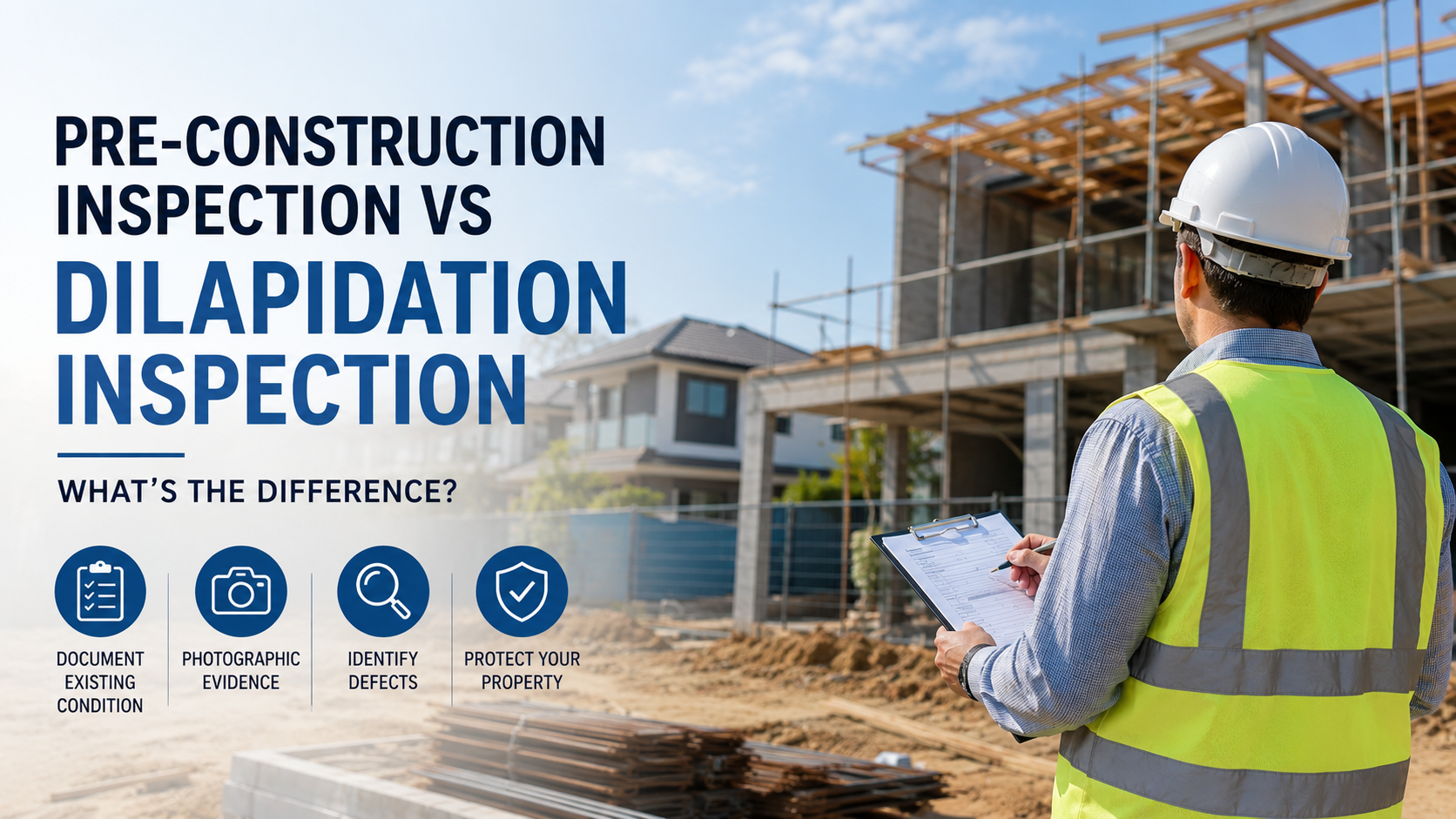
A Practical Completion Inspection (PCI) provides buyers with an independent assessment before taking possession, allowing builders to rectify defects while warranty obligations still apply.
Poor Workmanship and Renovations Can Create Long-Term Problems
Not every building defect is the result of age or environmental conditions. Sometimes the issue begins during construction or renovation.
Poor workmanship doesn’t always become apparent immediately. In many cases, defects remain hidden until changing weather conditions or everyday use expose weaknesses within the building.
Examples include:
- Incorrect waterproofing beneath bathrooms
- Poorly installed roof flashing
- Inadequate structural support during renovations
- Improper sealing around external openings
- Blocked subfloor ventilation
- Incorrect drainage falls
Similarly, cosmetic renovations can sometimes conceal underlying problems rather than solve them. Fresh paint may temporarily hide moisture stains, while new flooring can cover uneven surfaces caused by structural movement.
This is why a professional inspection focuses not only on appearance but also on identifying the underlying causes of visible defects.
Warning Signs Every Homeowner Should Never Ignore
Building defects rarely appear without warning. Most properties display subtle signs long before serious structural damage develops.
Being aware of these early indicators can help homeowners act before repairs become significantly more expensive.
Watch for signs such as:
- New or widening wall cracks
- Doors or windows becoming difficult to open or close
- Uneven or sloping floors
- Water stains on ceilings
- Bubbling or peeling paint
- Persistent mould growth
- Damp or musty odours
- Loose roof tiles
- Overflowing gutters during rainfall
- Pooling water around the home’s perimeter
While these symptoms don’t always indicate major structural problems, they should never be dismissed without proper investigation.
Prevention Is Always Better Than Repair
One of the biggest misconceptions among homeowners is that maintenance can wait until something breaks.
In reality, preventative maintenance is one of the most cost-effective ways to protect a property.
Simple routine inspections and minor repairs can significantly reduce the likelihood of expensive structural issues developing later.
A Simple Preventative Maintenance Checklist
| Maintenance Task | Why It Matters |
| Clean gutters and downpipes | Prevents roof leaks and water overflow |
| Inspect roofing annually | Identifies damaged tiles, flashing, and corrosion early |
| Check plumbing for leaks | Reduces hidden moisture damage |
| Ensure water drains away from foundations | Minimises soil movement and settlement |
| Maintain adequate ventilation | Prevents condensation and mould growth |
| Seal external gaps and cracks | Reduces water ingress |
| Arrange regular termite inspections | Detects pest activity before structural damage occurs |
| Monitor cracks over time | Identifies movement requiring professional assessment |
Consistent maintenance not only protects your home but also helps preserve its long-term market value.
Why Professional Building Inspections Matter
While homeowners can identify obvious maintenance concerns, many significant building defects develop in areas that aren’t easily visible.
Roof spaces, subfloors, wall cavities, drainage systems, and structural components often require specialist knowledge to assess accurately.
A professional building inspection provides a comprehensive evaluation of a property’s condition, helping identify both existing defects and potential future risks.
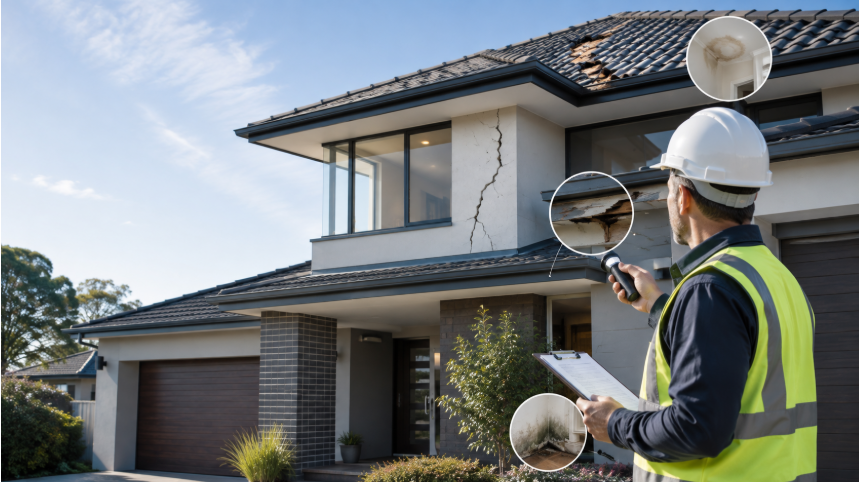
An experienced inspector assesses areas such as:
- Structural integrity
- Roofing systems
- Moisture intrusion
- Drainage performance
- Subfloor conditions
- Evidence of timber pests
- Safety hazards
- General building maintenance
Rather than simply listing defects, a professional inspection helps homeowners and buyers understand the severity of issues, prioritise repairs, and make informed property decisions.
Whether purchasing an established home, taking ownership of a new build, or maintaining an existing property, regular inspections offer valuable peace of mind and may prevent significant repair costs in the future.
Final Thoughts
Every home changes over time. Environmental conditions, construction materials, workmanship, and routine maintenance all influence how well a property performs throughout its lifespan.
While some ageing is entirely natural, many serious building defects begin as small, manageable issues that gradually worsen when left unaddressed. Foundation movement, moisture intrusion, roof deterioration, poor drainage, timber decay, and construction defects often develop slowly, making early detection essential.
Understanding why these problems occur is the first step towards protecting your investment. By recognising warning signs early, carrying out regular maintenance, and arranging professional inspections when needed, homeowners can significantly reduce the risk of expensive repairs while extending the life of their property.
At Premium Building Inspections, we believe informed property owners make better decisions. Our comprehensive building inspections provide independent, detailed assessments that help buyers, homeowners, and investors understand the true condition of a property before small issues become major problems.
Whether you’re purchasing your first home, maintaining your family residence, or investing in property, a professional building inspection provides the knowledge and confidence to protect one of your most valuable assets.
Key Takeaways
- Homes naturally deteriorate due to weather, moisture, soil movement, and everyday wear.
- Most serious building defects develop gradually rather than appearing suddenly.
- Foundation movement, moisture intrusion, poor drainage, roof deterioration, timber decay, termites, and poor workmanship are among the most common causes of building problems.
- Early identification and routine maintenance can prevent costly structural repairs.
- Professional building inspections provide valuable insights into a property’s condition and help homeowners make informed decisions.