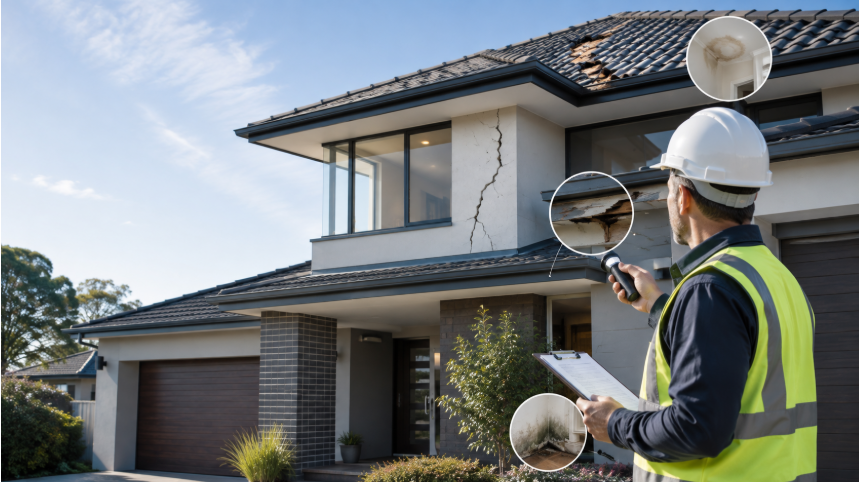
When buying or selling a property, location, layout and presentation often attract the most attention. However, beneath a freshly painted wall or a well-maintained garden, hidden building defects can significantly influence a property’s market value.
Buyers today are more informed than ever. Many arrange independent building inspections before finalising a purchase, and lenders or insurers may also consider the property’s condition during their assessments. If significant defects are discovered, buyers may negotiate a lower price, request repairs, or even withdraw from the purchase altogether.
The good news is that many common building defects develop gradually. Identifying them early allows homeowners to carry out maintenance before problems escalate into expensive repairs, while buyers gain a clearer understanding of the property’s overall condition before making one of the biggest financial decisions of their lives.
In this guide, we’ll explore ten common building defects that can affect property value, explain why they matter, and discuss how a professional building inspection helps identify potential concerns before they become costly surprises.
Why Building Defects Affect Property Value
A property’s condition plays a significant role in determining its market appeal. Even if defects don’t immediately affect the home’s functionality, they can influence how buyers perceive future maintenance costs and potential risks.
Visible defects often raise questions such as:
- Will repairs be expensive?
- Has the issue worsened over time?
- Could there be hidden damage?
- Will this affect insurance or future resale?
Properties that appear well maintained generally inspire greater confidence, while homes showing signs of neglect may remain on the market longer or attract lower offers.
1. Foundation Movement and Major Cracks
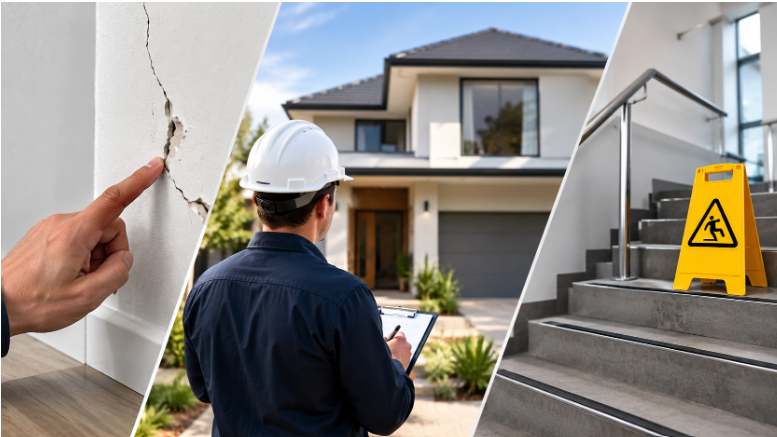
Small hairline cracks can develop naturally as buildings settle over time. However, wider cracks, stair-step cracks in brickwork, or uneven floors may indicate movement that requires further investigation.
In Victoria, reactive clay soils and seasonal moisture changes can contribute to building movement. Poor drainage, tree roots and prolonged dry or wet conditions may also influence how the ground behaves beneath a property.
Common warning signs
- Wide cracks in walls or brickwork
- Uneven or sloping floors
- Doors and windows sticking
- Gaps around window or door frames
- Separation between walls and ceilings
Not every crack indicates a major problem, but significant movement can affect buyer confidence and reduce property value if left unaddressed.
2. Roof Damage and Water Ingress
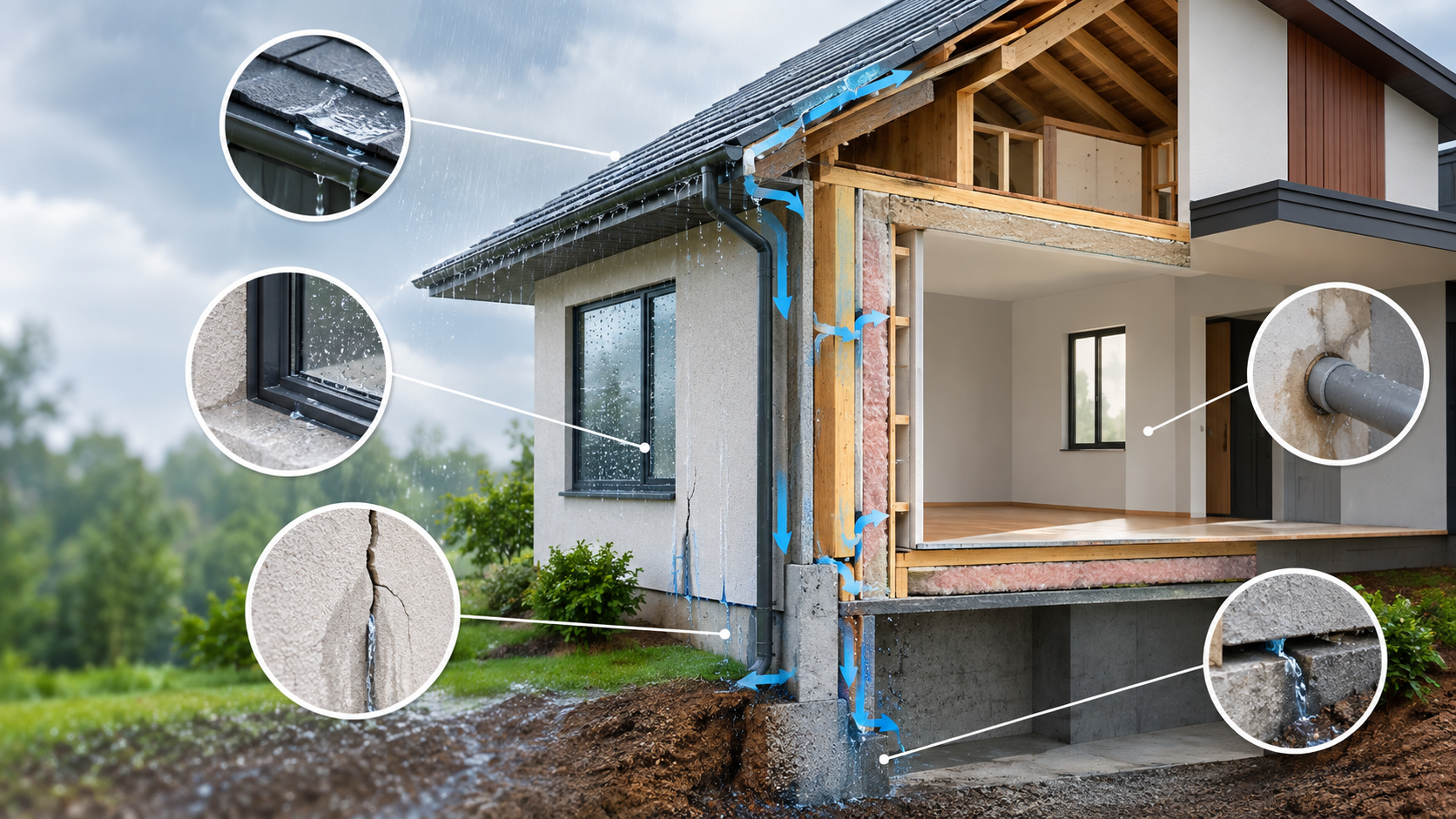
The roof is one of the property’s most important protective elements. Even minor roofing issues can allow water to enter the home, leading to internal damage over time.
Common roofing defects include:
- Broken roof tiles
- Rusted metal roofing
- Damaged flashing
- Blocked gutters
- Loose ridge capping
- Poor roof drainage
Once moisture enters the building, it may damage ceilings, insulation, timber framing and internal finishes.
Why it affects value
Roof repairs can be expensive, particularly when water damage has already spread into other parts of the home. Buyers often see roof defects as an indicator that additional maintenance may also have been neglected.
3. Rising Damp and Excess Moisture
Moisture is one of the leading causes of long-term building deterioration. Whether it enters through leaking roofs, plumbing failures, poor drainage or inadequate waterproofing, excess moisture can affect multiple building materials.
Signs of moisture problems include:
- Peeling paint
- Bubbling wall finishes
- Musty odours
- Mould growth
- Water staining
- Damp flooring
If ignored, ongoing moisture can contribute to timber decay, mould growth and deterioration of internal finishes.
Why buyers pay attention
Visible moisture often raises concerns about hidden damage behind walls or beneath flooring, increasing uncertainty during the buying process.
4. Termite Damage
Termites are capable of causing significant damage before homeowners become aware of their presence. Because they typically remain hidden inside timber, wall cavities or roof spaces, visible signs may only appear once damage has already occurred.
Professional pest inspections commonly assess:
- Active termite activity
- Previous termite damage
- Mud shelter tubes
- Hollow timber
- Conditions likely to attract termites
How termite damage affects value
Properties with active termite infestations or extensive timber damage often require specialist treatment and repairs. Even previous termite activity can influence buyer confidence if appropriate treatment records are unavailable.
Regular inspections remain one of the most effective ways to reduce long-term risk.
5. Poor Drainage Around the Property
Drainage problems are frequently overlooked, yet they can contribute to a wide range of building issues.
When water consistently collects around a property, it may increase moisture levels beneath the home, contribute to ground movement and create favourable conditions for timber pests.
Common drainage issues
- Water pooling near foundations
- Overflowing gutters
- Poor site grading
- Blocked stormwater systems
- Downpipes discharging too close to the home
Maintaining effective drainage helps reduce unnecessary moisture and supports the long-term performance of the building.
Why Early Detection Matters
Many building defects don’t develop overnight. What begins as a small crack, minor roof leak or blocked gutter can gradually affect multiple areas of the property if routine maintenance is delayed.
Regular inspections allow potential issues to be identified before repair costs increase significantly. For buyers, a professional inspection provides valuable insight into the property’s current condition and highlights maintenance items that may require attention after settlement.
6. Plumbing Leaks and Hidden Water Damage
Plumbing issues aren’t always obvious during a property inspection. A slow leak behind a bathroom wall or beneath a kitchen sink may go unnoticed for months, gradually damaging surrounding materials and creating ideal conditions for mould and timber deterioration.
Unlike a burst pipe, hidden leaks often develop slowly, making them difficult to detect without a careful visual inspection. Over time, even a small amount of escaping water can weaken plasterboard, stain ceilings, damage flooring and compromise cabinetry.
Common warning signs
- Water stains on ceilings or walls
- Bubbling or peeling paint
- Damp cupboards beneath sinks
- Low water pressure
- Musty odours
- Unexpected increases in water bills
For buyers, signs of previous water damage can raise concerns about whether the underlying cause has been properly repaired. For homeowners, addressing plumbing issues early is usually far more cost-effective than repairing extensive moisture damage later.
7. Electrical Safety Issues
Electrical systems naturally age over time, and older properties may contain wiring or switchboards that no longer meet modern safety expectations. While a standard building inspection isn’t an electrical compliance inspection, inspectors may identify visible issues that warrant further assessment by a licensed electrician.
Examples include:
- Damaged power outlets
- Exposed wiring
- Older-style switchboards
- Missing safety switches
- Loose light fittings
- Visible signs of overheating
Electrical defects don’t just affect property value—they can also present genuine safety risks. Buyers often budget for electrical upgrades if concerns are identified during the inspection process.
8. Poor-Quality Renovations and DIY Alterations
Renovations can improve both comfort and property value when completed to a high standard. However, poorly executed work may create new problems rather than solving existing ones.
During inspections, it’s not uncommon to find cosmetic improvements hiding underlying defects. Fresh paint, new flooring or modern fixtures may improve a property’s appearance while concealing moisture damage, cracking or unfinished repairs.
Common concerns include:
- Uneven flooring
- Poor tiling
- Inadequate waterproofing
- Incorrect drainage
- Poorly fitted windows or doors
- Visible workmanship defects
Where renovations appear inconsistent or incomplete, buyers may wish to obtain additional information regarding building permits and requirements or specialist assessments before proceeding.
9. Timber Rot and Decay
Timber is widely used throughout Australian homes, making its condition an important part of any building inspection.
Unlike termite damage, timber decay is generally caused by prolonged exposure to moisture. Poor ventilation, roof leaks, plumbing issues and inadequate drainage all contribute to timber deterioration over time.
Areas commonly affected
- Window frames
- Decking
- Pergolas
- Fascia boards
- Roof timbers
- External cladding
If left untreated, timber decay can spread, requiring sections of affected timber to be repaired or replaced.
Regular maintenance, prompt repairs and effective moisture management help minimise the likelihood of long-term deterioration.
10. Deferred Maintenance
One of the most overlooked factors affecting property value isn’t a single defect—it’s a pattern of neglected maintenance.
Small issues that remain unresolved often combine to create larger, more expensive problems over time.
Examples include:
- Peeling exterior paint
- Blocked gutters
- Damaged sealants
- Loose roof tiles
- Broken paving
- Rusted metalwork
- Cracked external render
Individually, these issues may appear minor. Collectively, however, they can influence buyer perception and suggest that more significant maintenance may also have been overlooked.
Routine maintenance protects both the property’s condition and its long-term value.
How Building Defects Can Influence Property Value
Not every defect has the same impact. The severity, location and extent of damage all play a role in how buyers and valuers assess a property.
| Building Defect | Potential Impact on Property Value |
| Foundation movement | High |
| Roof damage and leaks | High |
| Termite damage | High |
| Rising damp | Moderate to High |
| Plumbing leaks | Moderate |
| Electrical concerns | Moderate |
| Poor-quality renovations | Moderate |
| Timber rot | Moderate |
| Drainage issues | Moderate |
| Deferred maintenance | Low to Moderate (can increase over time) |
It’s important to remember that many defects are manageable when identified early. Timely repairs and regular maintenance often prevent minor issues from becoming major expenses.
How a Building Inspection Helps Protect Your Investment
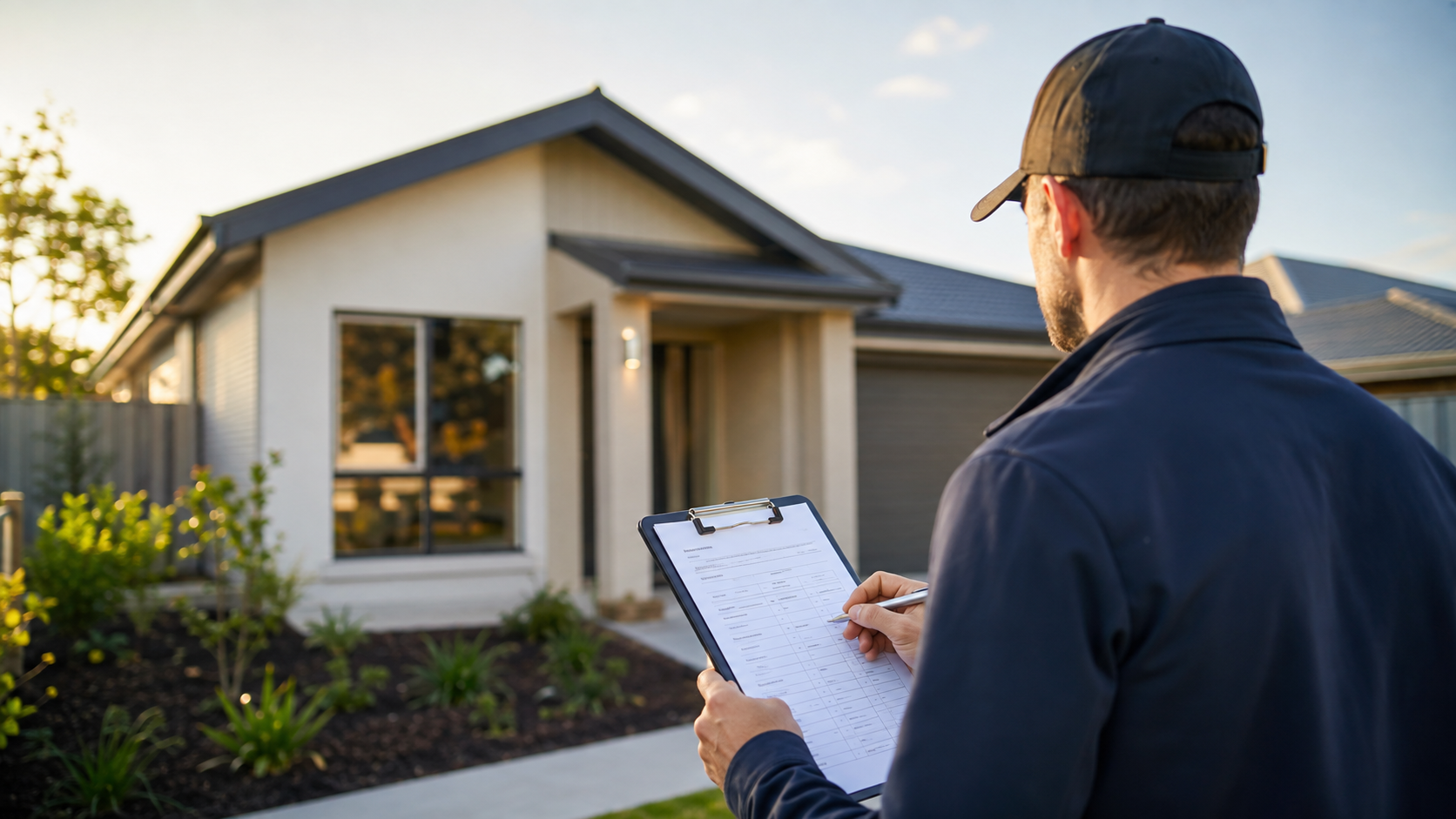
Whether you’re purchasing a family home, an investment property or preparing to sell, a professional building inspection provides valuable insight into the property’s visible condition.
A comprehensive inspection can help you:
- Identify significant defects before committing to a purchase.
- Understand which issues require immediate attention.
- Distinguish between routine maintenance and more serious concerns.
- Plan future repairs and maintenance budgets.
- Support informed negotiations with the seller.
- Reduce the likelihood of unexpected repair costs after settlement.
For homeowners, periodic inspections can also assist with long-term maintenance planning, helping preserve both the condition and value of the property.
Final Thoughts
Every property experiences natural ageing, but not every defect has the same impact. Understanding the difference between routine maintenance and more significant concerns allows homeowners to protect their investment and helps buyers make informed decisions before purchasing.
Many of the defects discussed in this guide develop gradually. Regular maintenance, prompt repairs and professional inspections can significantly reduce the risk of costly surprises while preserving the property’s long-term value.
Whether you’re purchasing your first home, expanding your investment portfolio or preparing to sell, understanding a property’s condition is one of the smartest investments you can make.
Protect Your Investment with Premium Building Inspections
At Premium Building Inspections, we provide comprehensive pre-purchase building and pest inspections across Melbourne and surrounding suburbs. Our detailed reports help buyers and homeowners understand the property’s condition, identify visible defects and make informed decisions with confidence.
If you’re buying, selling or simply want greater confidence in your property’s condition, contact our experienced team to book a professional inspection today.