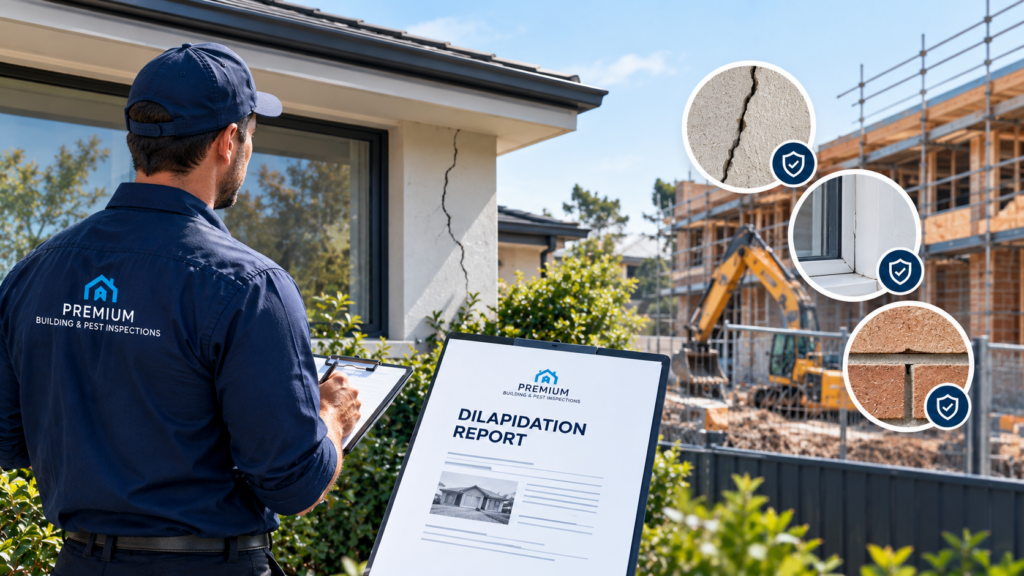
When construction or demolition work is planned on a neighbouring property, it is natural to have concerns about how the work might affect your home. Excavation, heavy machinery, ground movement and vibration can potentially contribute to damage to nearby buildings, fences, driveways and other structures.
However, if cracks appear or existing damage becomes more noticeable during neighbouring construction, determining when the damage occurred can be difficult. Without reliable records of the property’s original condition, it may be challenging to distinguish between pre-existing defects and changes that developed during the construction period.
This is where a dilapidation report becomes valuable.
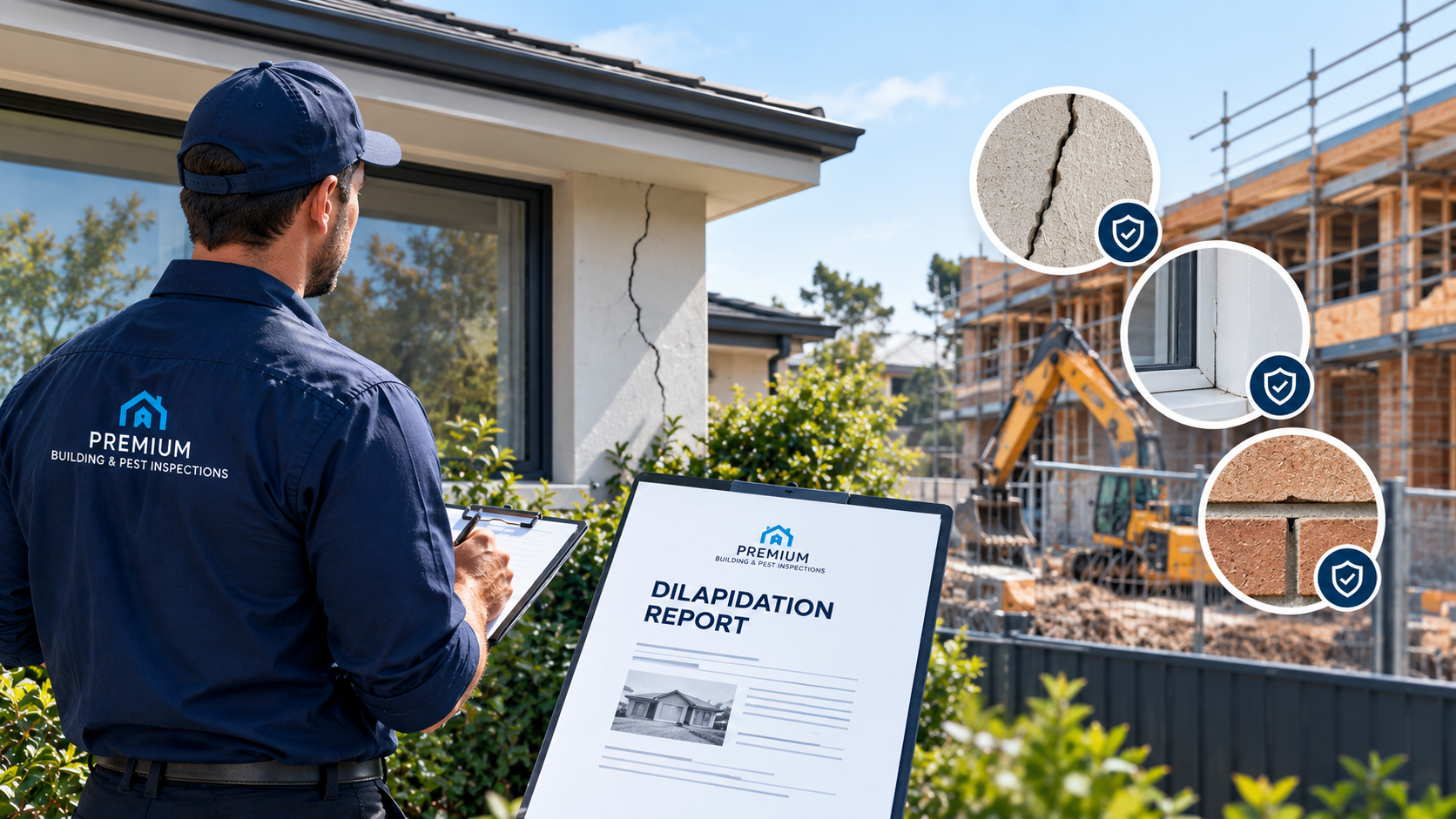
A dilapidation report documents the visible condition of a property before nearby construction or demolition begins. It creates a record of existing cracks, surface defects, damage and other relevant observations that can be used for comparison if concerns arise later.
For Melbourne property owners, arranging a dilapidation inspection before neighbouring construction can help establish a clearer understanding of the property’s existing condition and provide useful documentation throughout the construction process.
What Is a Dilapidation Report?
A dilapidation report is a documented assessment of a property’s condition at a particular point in time, usually before nearby construction, demolition or excavation work begins.
The report records visible defects and existing conditions in the areas included within the inspection. Depending on the property’s characteristics and the inspection scope, this may include walls, ceilings, floors, driveways, fences, retaining walls and other accessible surfaces or structures.
Photographs are commonly included to illustrate the observations and provide a visual reference for future comparison.
For example, if a property already has a small crack in an external wall, the report can document its visible location and condition before the neighbouring construction project begins. If a concern arises later, this record may help the relevant parties compare the property’s condition at different times.
A dilapidation report is not a guarantee that a property will remain free from damage. Instead, it provides a documented baseline that can help clarify the property’s condition before potentially disruptive work takes place nearby.
Why Is a Dilapidation Report Important Before Neighbouring Construction?
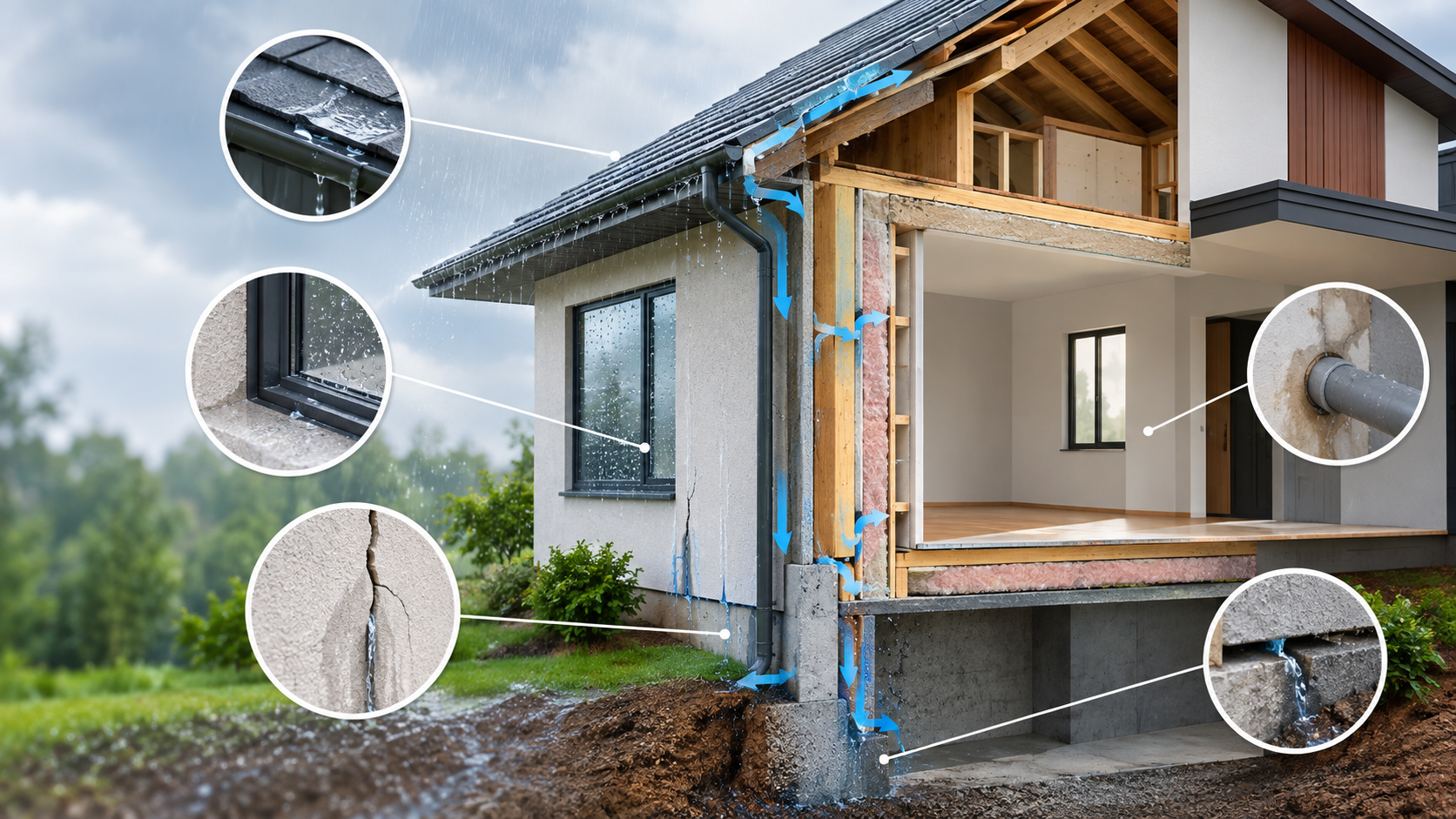
Neighbouring construction can involve activities that may affect surrounding properties. The extent of any potential impact depends on factors such as the nature of the work, ground conditions, excavation depth, construction methods and the distance between buildings.
A pre-construction dilapidation report provides a useful reference before these activities begin.
1. It Documents Existing Cracks and Defects
One of the main purposes of a dilapidation report is to record visible defects that already exist.
Properties can develop cracks, worn surfaces, settlement-related signs and other defects over time due to ageing, environmental conditions, normal use or previous building work.
Without a documented record, a crack noticed during construction may lead to uncertainty about whether it existed beforehand.
A dilapidation inspection can record observations such as:
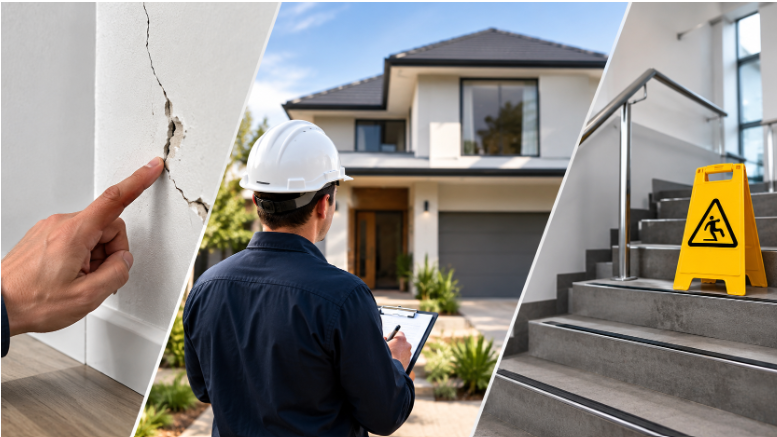
- Existing cracks in internal and external walls.
- Visible defects in ceilings and floor surfaces.
- Damage to driveways, paths and paved areas.
- Deterioration of fences and retaining walls.
- Visible defects around accessible external structures.
- Other relevant pre-existing damage within the agreed inspection scope.
Recording these conditions before construction begins provides a clearer reference if the property’s condition is questioned later.
2. It Helps Distinguish Pre-Existing Damage from New Changes
When neighbouring construction is underway, property owners may notice changes to cracks, surfaces or other parts of their home.
The difficulty is determining whether those changes are new, whether existing defects have progressed, or whether the observed condition is unrelated to the construction.
A pre-construction report helps address this uncertainty by documenting what was visible at the time of inspection.
For example, consider a home with a hairline crack near a window before excavation begins next door. Several weeks later, the owner notices that the crack appears longer.
The original report may provide photographs and observations that help compare the two conditions. This comparison can support further investigation into whether a change has occurred.
However, the report does not automatically establish the cause of a defect. Determining whether neighbouring construction caused damage may require additional evidence, technical assessment and consideration of other contributing factors.
3. It Provides Useful Evidence if a Dispute Arises
Construction-related property concerns can sometimes lead to disagreements between neighbouring owners, builders, developers or other parties involved in a project.
Without a reliable record of the property’s original condition, discussions may depend heavily on recollections, informal photographs or differing accounts of when damage first appeared.
A dated dilapidation report provides a more organised record of the observations made before construction began.
This documentation may help when:
- Discussing reported damage with a builder or developer.
- Comparing the property’s condition before and after construction.
- Supporting an investigation into a suspected change.
- Providing relevant documentation to an insurer, solicitor or other adviser.
- Clarifying the condition of the property at the time of the initial inspection.
The report should not be regarded as conclusive proof of liability or the cause of damage. Its value lies in providing contemporaneous documentation that can be considered alongside other relevant evidence.
4. It Establishes a Baseline for Future Comparison
A dilapidation report is most useful when it creates a clear reference point before potentially disruptive work begins.
Construction projects may continue for weeks or months, depending on their scale and complexity. During this period, nearby property owners may become concerned about changes to their buildings or outdoor areas.
The initial report provides a record against which later observations can be compared.
Where concerns arise, a subsequent inspection or updated photographic record may help identify visible differences between the property’s earlier and current conditions.
For example, a report may document the condition of a boundary fence, driveway and external walls before excavation. If a new defect is reported after the work, those records may help establish what was visible before the project commenced.
For this reason, timing is important. A report prepared before construction begins generally provides a more useful baseline than one prepared after the work is already underway.
5. It Helps Identify Areas That May Need Closer Monitoring
Not every property near a construction site will experience damage. The potential impact varies according to the project and the surrounding conditions.
Nevertheless, documenting the property’s existing condition can help identify visible defects and areas that may warrant further attention.
For example, existing cracks, damaged paving or deteriorated boundary structures can be recorded before work begins. If these areas later become a source of concern, the original observations can provide useful context.
A dilapidation inspection is not a prediction of future damage and does not replace geotechnical assessments, engineering advice or construction monitoring where those services are required.
Instead, it helps establish the property’s visible condition before nearby work introduces potential changes to the surrounding environment.
What Does a Dilapidation Report Include?
The contents of a dilapidation report depend on the property, the agreed inspection scope and the areas that can be accessed.
A typical report may include the following elements.
Property Details
The report identifies the property being inspected and records relevant inspection information, such as the inspection date and the scope of the assessment.
These details help establish the context in which the observations were made.
Photographic Documentation
Photographs provide visual evidence of the property’s visible condition at the time of inspection.
Images may document cracks, surface damage, worn finishes and other relevant defects. Clear photographs can be particularly useful when comparing the property’s condition with a later inspection.
Description of Existing Defects
The report records relevant visible defects observed within the inspection scope.
Descriptions may identify the location and general appearance of a crack, damaged surface or other condition. Where appropriate, the report may include observations about the visible extent of the defect.
A report should describe what was observed rather than automatically attributing a defect to a particular cause.
Internal and External Areas
Depending on the agreed scope, a dilapidation inspection may cover accessible internal and external areas.
These could include walls, ceilings, floors, external surfaces, driveways, paths, fences and retaining walls.
The areas inspected should be clearly understood, as a report does not necessarily cover every part of a property or every concealed element.
Inspection Limitations
A dilapidation report generally records visible conditions rather than providing a complete assessment of concealed building elements.
Access restrictions, stored belongings, finishes and other obstructions may limit what can be observed. The report should be interpreted in light of its stated scope and limitations.
Understanding these limitations helps property owners know what the report can document and where additional assessment may be needed.
When Should You Arrange a Dilapidation Inspection?
The most appropriate time to arrange a dilapidation inspection is generally before the neighbouring construction or demolition work begins.
Early preparation helps ensure the property’s original visible condition can be documented before potentially disruptive activities commence.
Consider arranging an inspection when:
- A neighbouring property is preparing for demolition.
- Excavation or substantial earthworks are planned next door.
- A nearby development involves deep foundations or basement construction.
- Major building work is planned close to a shared boundary.
- Construction activities may involve significant vibration or ground disturbance.
- A builder, developer or other project party has requested a record of the property’s existing condition.
If construction has already started, an inspection may still document the property’s current visible condition. However, it cannot retrospectively establish exactly how the property appeared before work began.
Property owners should also clarify whether a builder, developer or project authority has specific requirements concerning the timing, scope or format of the report.
Who Should Arrange a Dilapidation Report?
Responsibility for arranging a dilapidation report can vary according to the project, contractual arrangements, planning conditions and other applicable requirements.
In some circumstances, a builder or developer may arrange inspections of neighbouring properties before construction begins. In other situations, a property owner may choose to commission an independent report to maintain their own record.
If you have been notified of nearby construction, it is worth clarifying whether a report is being arranged, which areas will be inspected and how the documentation will be made available.
If you are arranging an inspection independently, consider confirming the inspector’s experience, the proposed scope, the photographic documentation and the format of the final report.
The aim is to ensure the resulting record is suitable for documenting the property’s existing visible condition and comparing it with any later observations.
What Should You Do if You Notice Damage During Construction?
If you notice a new crack or another concerning change while neighbouring construction is underway, avoid assuming that the construction is automatically responsible. At the same time, do not ignore the issue.
Taking a clear and organised approach can help preserve useful information.
1. Record the concern promptly.
Take dated photographs from clear angles and note the location of the affected area. If the defect was documented in a pre-construction report, identify the corresponding section or photograph.
2. Compare the available records.
Review the original report and any later inspection records to understand what was documented before the work began and what appears different now.
3. Notify the relevant party.
Depending on the circumstances, contact the builder, developer, project representative or other appropriate party and explain the concern. Keep copies of relevant communications.
4. Seek further assessment where necessary.
A building inspector or suitably qualified specialist may be able to assess the visible changes. Where the cause, severity or safety implications are uncertain, further technical investigation may be required.
5. Address urgent safety concerns.
If you observe significant movement, rapidly developing cracks, sudden changes to doors or windows, or other signs that raise immediate safety concerns, seek appropriate professional advice promptly. Do not wait for a routine follow-up inspection if there is reason to suspect a serious problem.
A pre-construction report can support this process, but it is only one part of the evidence that may be needed to investigate a construction-related concern.
Is a Dilapidation Report the Same as a Building Inspection?
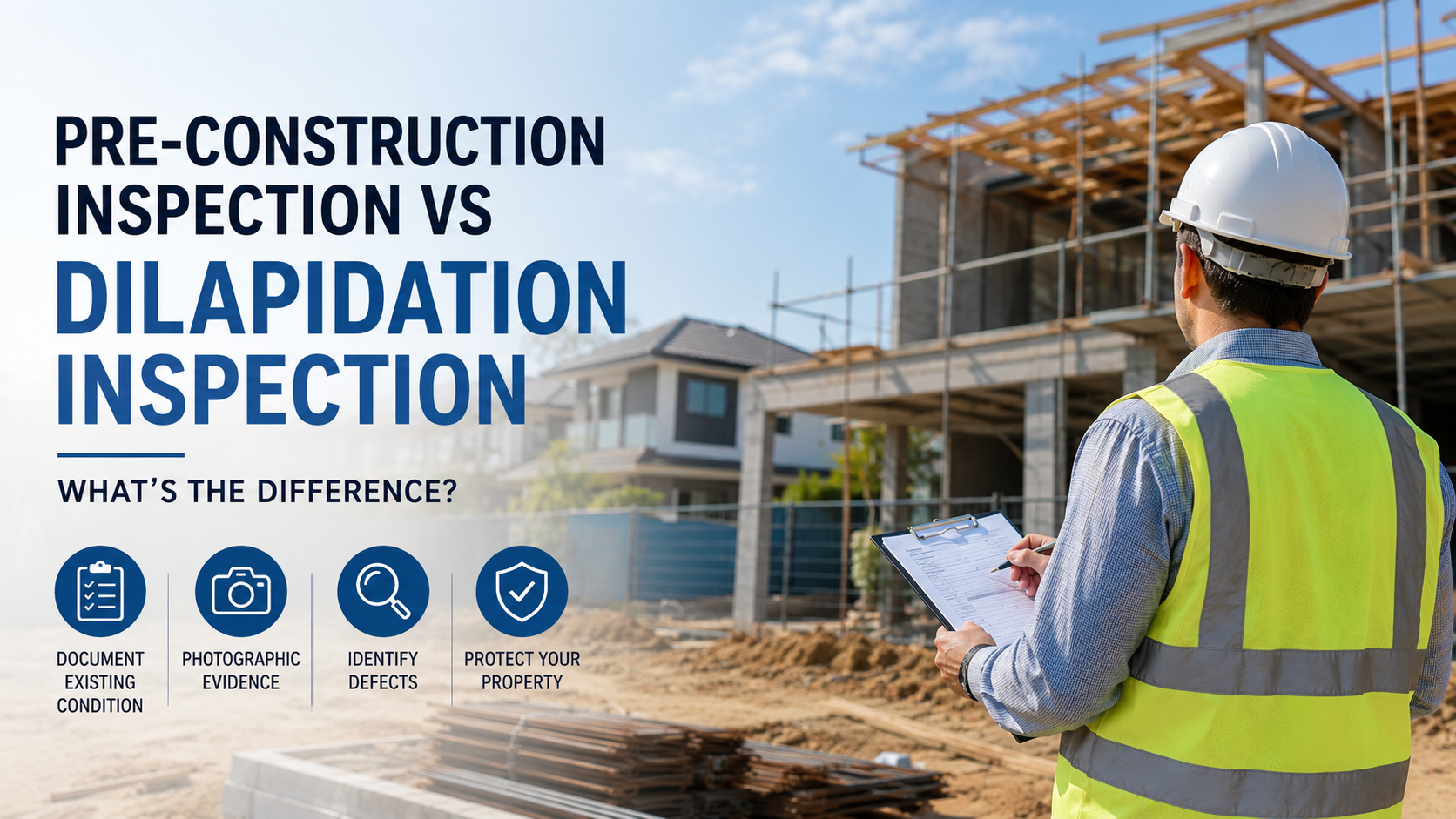
Although both involve documenting building conditions, a dilapidation report and a general building inspection serve different purposes.
A general building inspection typically focuses on the condition of a property at the time of purchase or assessment, within the agreed scope of that inspection.
A dilapidation report focuses on documenting the property’s existing condition before a particular event or activity, such as neighbouring construction, demolition or excavation.
| General building inspection | Dilapidation report |
| Assesses the property’s condition for a defined inspection purpose. | Records the property’s visible condition before nearby work or another relevant activity. |
| May identify a range of visible defects and maintenance concerns. | Focuses on creating a baseline record of existing defects and conditions. |
| Commonly used when purchasing or assessing a property. | Commonly used before neighbouring construction or demolition. |
| Provides information about the property’s observed condition. | Provides documentation that may be compared with later observations. |
The appropriate service depends on the reason for the inspection. In some circumstances, a property may benefit from more than one type of assessment.
Why Timing and Documentation Quality Matter
A dilapidation report is only as useful as the record it creates.
A report prepared before construction begins can document conditions before the nearby work introduces potential changes. Clear photographs, specific defect descriptions, accurate property details and a defined inspection scope make the record easier to interpret later.
A report that simply states that a property was inspected, without adequately documenting relevant existing defects, may provide limited value when a specific concern arises.
Property owners should therefore consider the following when arranging an inspection:
- Whether the inspection will cover the relevant internal and external areas.
- Whether existing cracks and other visible defects will be documented clearly.
- Whether photographs will identify the locations of recorded defects.
- Whether the report will explain access restrictions and inspection limitations.
- Whether the report will be available before the neighbouring work begins.
These considerations help ensure the inspection produces a useful record rather than merely a general statement about the property’s condition.
Conclusion
Neighbouring construction can raise legitimate concerns for property owners, particularly when demolition, excavation or other potentially disruptive work is planned close to their homes.
A dilapidation report helps address one important question: what was the property’s visible condition before the work began?
By documenting existing cracks, surface damage and other relevant conditions, the report creates a reference point for future comparison. It can help clarify discussions about newly observed defects, support further investigations and provide useful records if disagreements arise.
However, a dilapidation report does not guarantee that damage will not occur, establish the cause of every defect or automatically determine responsibility. Its purpose is to document the property’s condition at a particular time.
For Melbourne property owners, arranging an appropriate dilapidation inspection before neighbouring construction begins is a practical step towards maintaining a clear record of their property’s existing condition.
Arrange a Dilapidation Inspection with Premium Building Inspections
If demolition, excavation or construction is planned on a neighbouring property, consider documenting your property’s condition before the work begins.
Premium Building Inspections provides inspection services to help property owners understand and document relevant building conditions.
Contact our team to discuss your requirements and determine whether a dilapidation inspection is suitable for your property.
Premium Building Inspections
Phone: 0466 001 551
Email: info@premiumbuildinginspections.com.au