Older Homes Have Character—But They Also Have a Story
There’s a reason older homes continue to attract buyers across Melbourne and Victoria. From established suburbs and generous block sizes to unique architectural features, they often offer qualities that are difficult to find in newer developments.
However, every older property also carries a history.
Over the years, it has been exposed to changing weather conditions, undergone maintenance, experienced renovations, and passed through different owners—each leaving their mark on the home.
After inspecting thousands of properties, we’ve learned that the age of a home is rarely the deciding factor. What matters far more is how the property has been maintained throughout its lifetime.
Some homes built more than 50 years ago present remarkably well from a building perspective because they’ve been consistently maintained. Others may look beautifully renovated yet reveal hidden maintenance issues once inspected thoroughly.
That’s why buying an older home requires looking beyond appearances.
Presentation Can Be Misleading
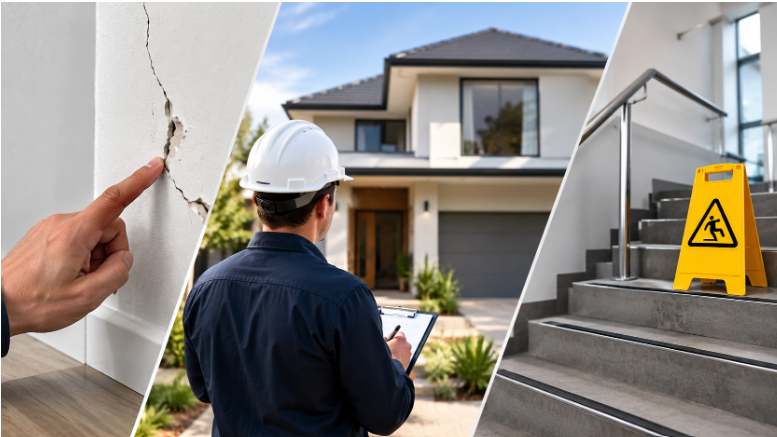
A freshly painted interior, modern kitchen or renovated bathroom certainly creates a positive first impression. But cosmetic improvements don’t always tell the full story.
One of the most common misconceptions among buyers is that a renovated home automatically means a well-maintained home.
During our inspections, we often find that while the presentation has been updated, other parts of the property may not have received the same level of attention.
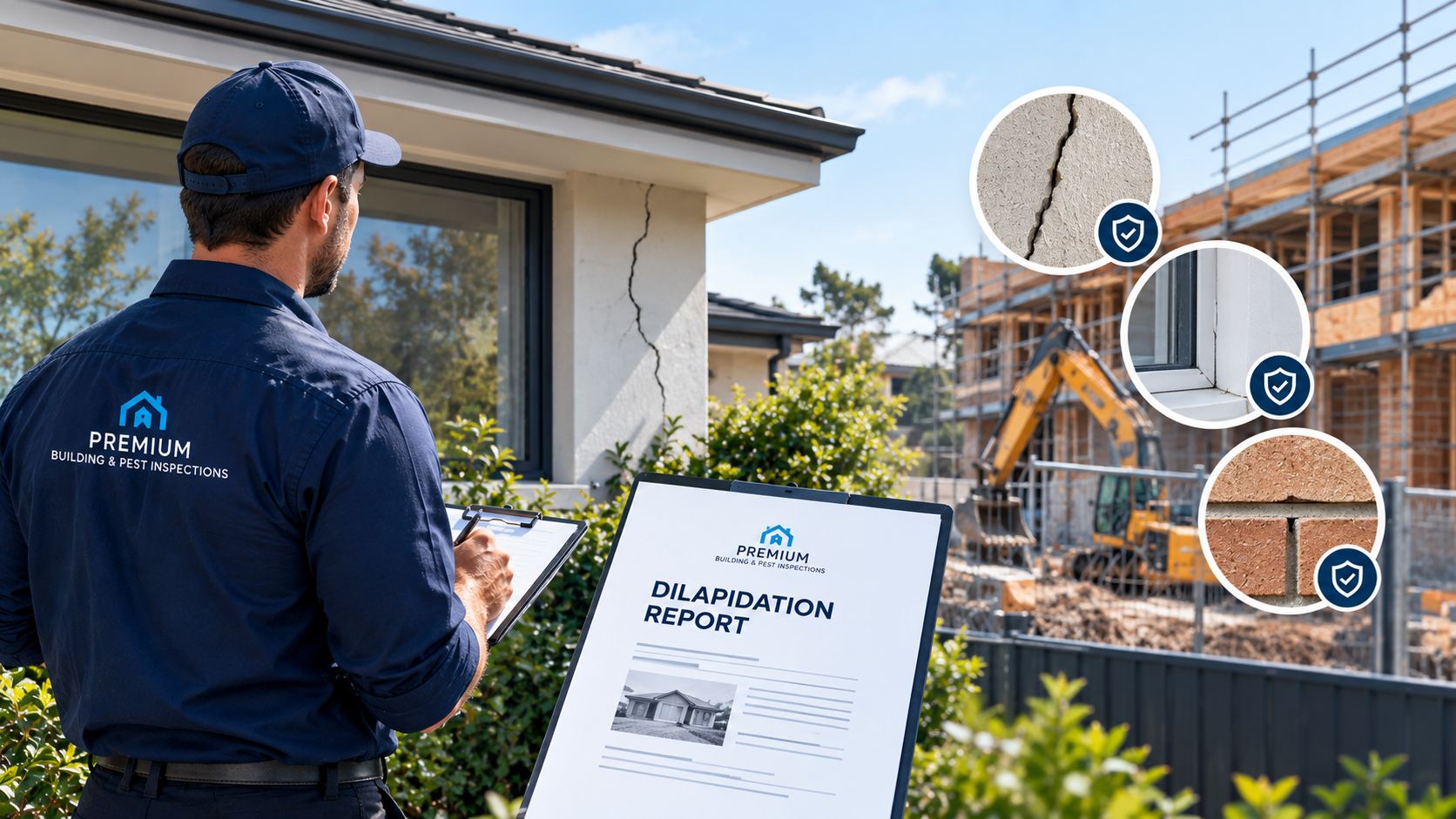
The purpose of a professional building inspection isn’t to criticise renovations—it’s to understand how those improvements fit within the overall condition of the property and whether there are signs of underlying issues that deserve further attention.
Roofing Often Reveals a Property’s Maintenance History
One of the first areas we carefully assess is the roof.
A roof protects every part of the home, yet many of its components can’t be properly evaluated from ground level during an open inspection.
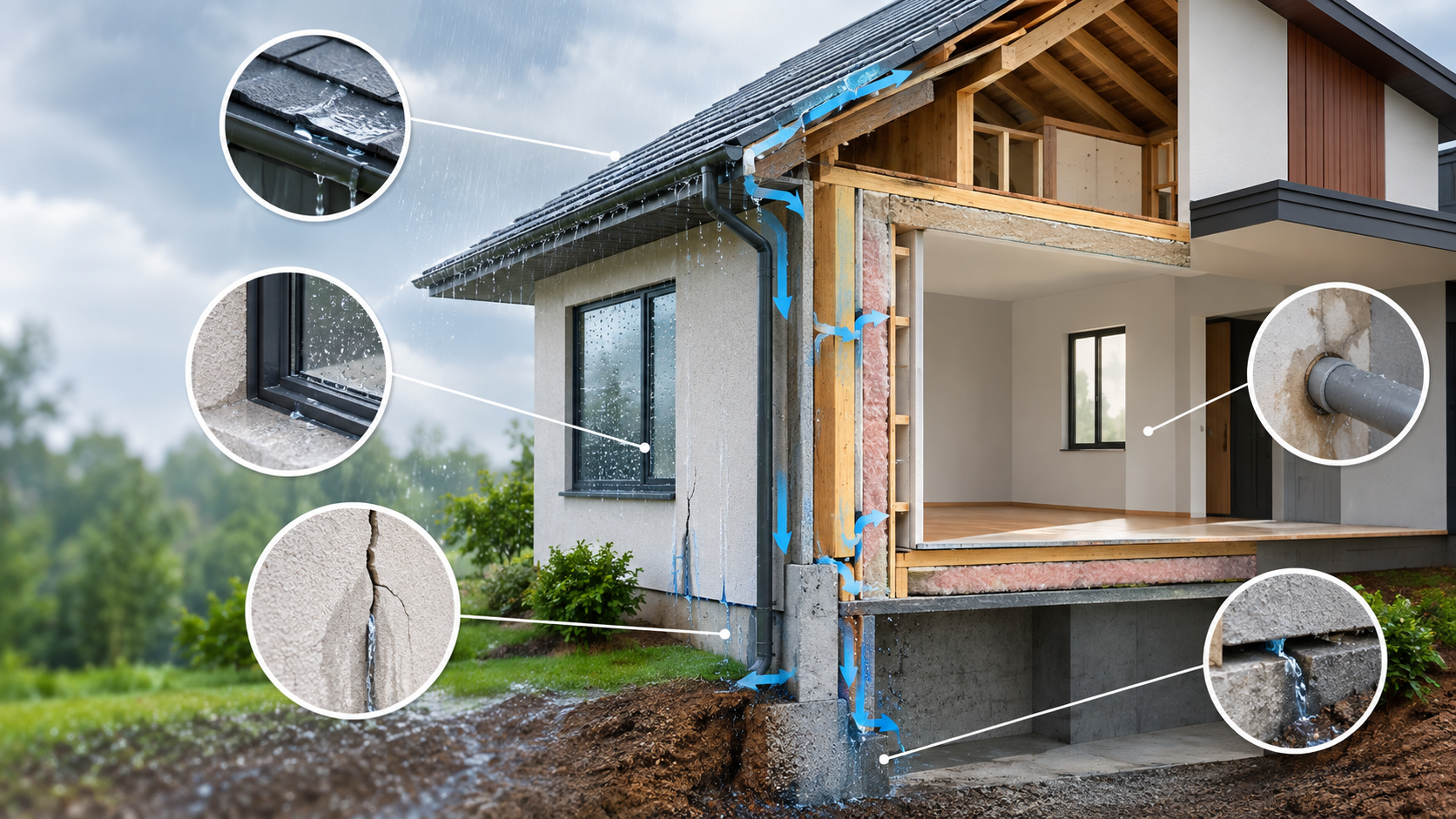
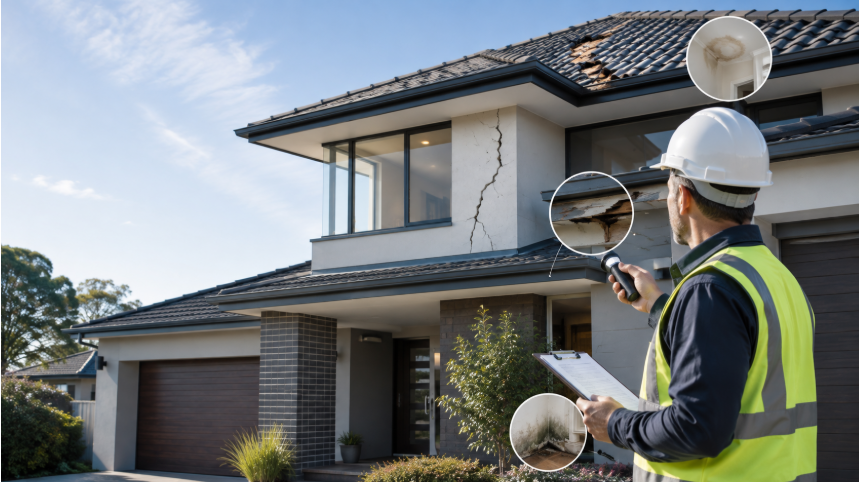
When inspecting older homes, we assess the overall condition of roofing materials, flashings, ridge capping, gutters, downpipes and visible evidence of previous repairs. We also look for indicators of water ingress that may suggest ongoing maintenance is required.
A well-maintained roof often reflects years of consistent property care. Conversely, neglected roofing components can contribute to moisture-related issues and more extensive repairs if left unaddressed.
Moisture Is Often a Symptom—Not the Root Cause
Moisture is one of the most common issues identified during building inspections, particularly in older homes.
Rather than simply looking for visible stains or mould, we investigate the conditions that may allow moisture to develop. This includes assessing ventilation, drainage, waterproofing, roof performance and areas where water may collect over time.
In many cases, moisture problems begin gradually and remain unnoticed until cosmetic damage appears.
Understanding where moisture originates is far more valuable than simply identifying where it becomes visible.
Renovations Should Enhance the Home—Not Hide Its History
Very few older homes remain exactly as they were originally built.
Extensions, updated kitchens, renovated bathrooms and modern finishes are common and often add significant value.
However, every renovation should be viewed in context.
During an inspection, we assess how renovated areas integrate with the original building, whether workmanship appears consistent, and whether there are signs that cosmetic improvements may have been used to conceal ongoing maintenance concerns.
Quality renovations improve both appearance and performance. Cosmetic upgrades alone don’t always achieve the same outcome.
External Areas Often Reveal More Than Buyers Expect
Many buyers naturally focus on what they see inside the home.
However, some of the clearest indicators of ongoing maintenance are found outside.
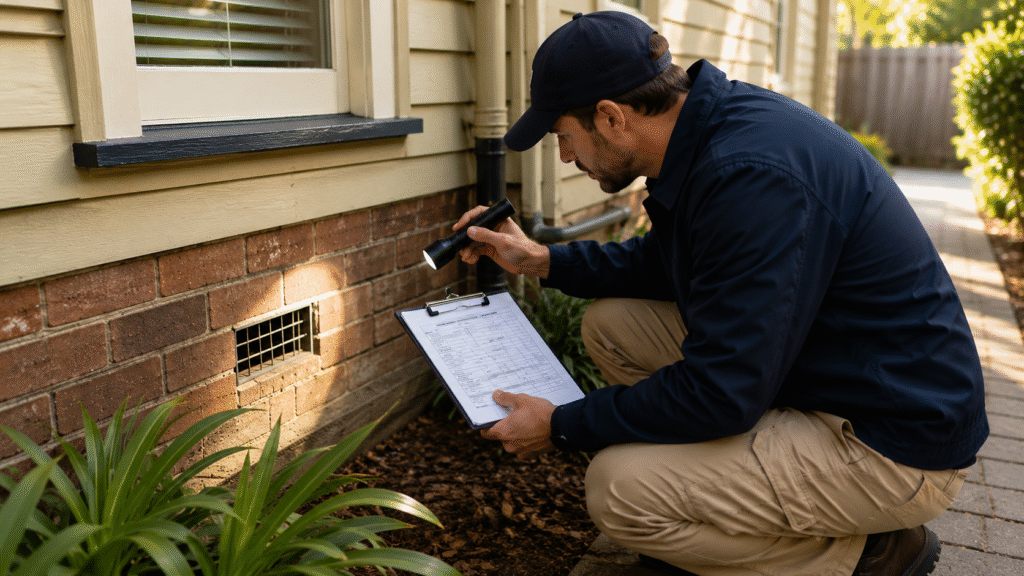
Our inspections include the condition of external walls, drainage, paving, retaining walls, decks, pergolas, fencing and other outdoor structures. These areas are continually exposed to Australia’s climate and often provide valuable insight into how the property has been cared for over time.
Small signs of deterioration don’t necessarily indicate major defects, but they can help buyers understand future maintenance requirements before committing to the purchase.
Older Homes May Contain Building Materials No Longer Used Today
Properties built several decades ago may include materials and construction methods that differ from modern building practices.
For example, homes constructed before the late 1980s may contain asbestos-containing materials in areas such as eaves, wall linings, garages or fencing.
While these materials don’t always present an immediate risk, it’s important for buyers to understand where they may be located—particularly if future renovations are planned.
Knowing what exists within the property helps homeowners make informed decisions about maintenance and future improvements.
Every Home Will Have Maintenance Items
One of the biggest misconceptions surrounding building inspections is that the goal is to find a “perfect” home.
In reality, no property is completely free of maintenance requirements—particularly one that has stood for several decades.
The real value of a building inspection lies in understanding which findings are typical for the home’s age, which items should be monitored, and which issues may require more immediate attention.
That information helps buyers move forward with realistic expectations and greater confidence.
Why an Independent Building Inspection Matters
Buying an older home is a significant investment, and the decisions you make before settlement can have a lasting impact.
An independent building inspection provides an objective assessment of the property’s condition, helping you understand its strengths, identify potential concerns, and make informed decisions based on facts rather than first impressions.
At Premium Building & Pest Inspections, our inspections are designed to provide clear, practical insights—not unnecessary alarm. We take the time to explain our findings, answer your questions, and help you understand what they mean for the property you’re considering.
Final Thoughts
Older homes offer character, quality craftsmanship and locations that continue to attract buyers across Victoria. Many have stood the test of time because they have been well built and properly maintained.
The key is understanding the difference between a home that simply looks appealing and one that has been cared for throughout its lifetime.
A professional building inspection helps uncover that story.
By looking beyond cosmetic finishes and assessing the property as a whole, you gain the knowledge needed to buy with confidence, plan for future maintenance, and make one of life’s biggest investments with greater peace of mind.